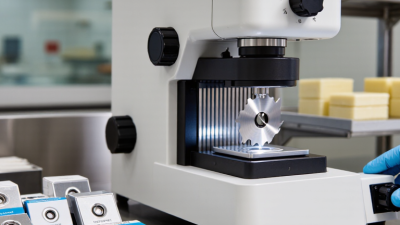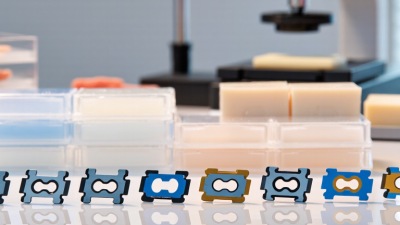
Choosing a source for high profile microtome blades requires more than comparing prices. Blade geometry, steel consistency, edge quality, and compatibility with the microtome all affect sectioning results. A blade that looks suitable on paper may behave differently when cutting dense tissue or producing thin sections. Small details matter.
When evaluating suppliers in China, ask for clear product specifications, batch identification, packaging details, and quality-control information. Request sample blades when possible, then assess cutting performance using your own instrument and routine materials. Check whether the supplier can explain available profiles, dimensions, coatings, and recommended applications without relying on vague claims. Reliable communication matters, too; delayed answers can make a technical issue harder to resolve.
Look closely at production experience and whether inspection procedures are documented. Product certificates and test reports can help, but they should be relevant to the specific blade and order. Also confirm minimum order quantities, lead times, replacement policies, and how changes to specifications are handled. These practical points are easy to overlook.
A useful supplier comparison should balance performance, consistency, service, and total purchasing cost. No single checklist guarantees a perfect result, and a sample may not represent every production batch. That uncertainty deserves attention. This guide outlines the questions buyers can use to compare Chinese suppliers and make a more informed choice for laboratory needs.
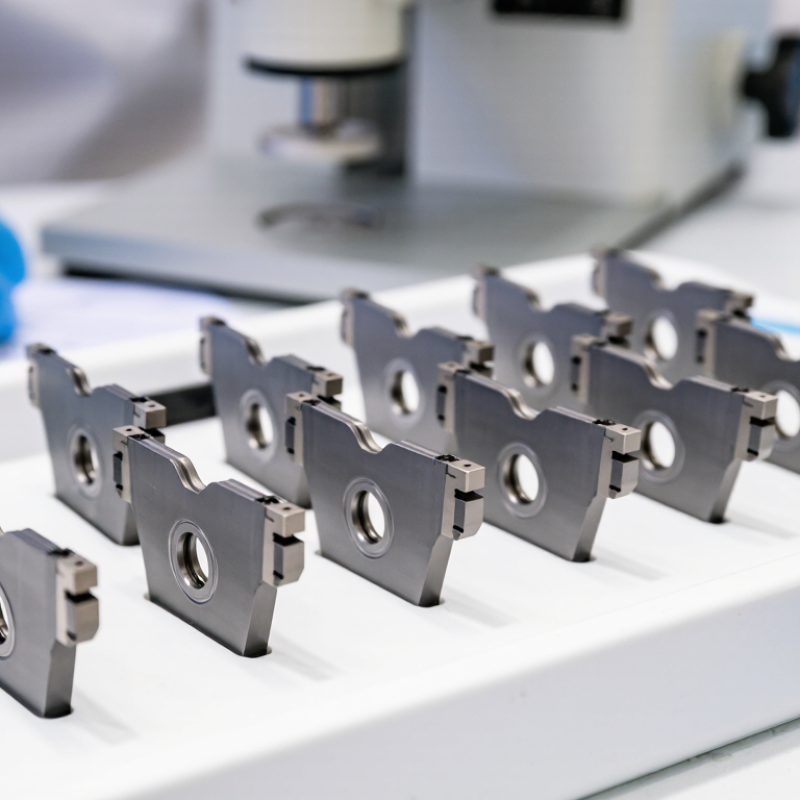
High-profile microtome blades are used to cut thin sections from tissue blocks for microscopy. In routine histology, technicians commonly use them with formalin-fixed, paraffin-embedded samples. The sections may show skin, intestine, liver, or small biopsy tissue on glass slides. Thin, even ribbons help preserve cell structure and make staining easier to interpret.
Their taller profile can provide a larger cutting edge and useful rigidity, depending on blade design and holder compatibility. This can help when trimming larger blocks or sectioning firmer specimens. It is not a universal fix. Soft tissue, dense tissue, and blocks with mineral deposits can behave very differently under the same blade. Operators adjust clearance angle, feed thickness, and block temperature to reduce chatter, compression, or folds. A fresh edge matters. So does careful embedding.
High-profile blades are also used in teaching and research laboratories that prepare repeatable sections for light microscopy. The best choice depends on the microtome holder, specimen hardness, and desired section thickness, not profile alone. A blade may look suitable but perform poorly if its geometry does not match the holder. That detail is easy to overlook. Good sectioning still relies on sharp blades, sound sample preparation, and trained handling; a blade cannot correct every defect in a poorly processed block.
High-profile microtome blades are not interchangeable just because they look similar. Check the blade’s length, height, thickness, and edge profile against the instrument manual and holder clamp. A mismatch can cause poor seating, vibration, or uneven sections. Small details matter.
For routine paraffin work, a consistent cutting edge helps produce smooth ribbons with fewer compression marks. Harder tissue may need a blade suited to greater cutting resistance, while softer samples can behave differently. Coatings and edge geometry also affect cutting feel, but no single specification suits every specimen. Not always.
Confirm whether the blade is intended for rotary, sliding, or cryostat use, and check holder compatibility before ordering. A supplier should provide dimensional drawings, material details, lot identification, and clear storage guidance.
Ask for a sample when possible, then test it using your usual tissue and section thickness. Results can vary between instruments, even in the same laboratory. That is easy to overlook.
Keep a record of blade type, holder, and section quality; it makes later comparisons more reliable.
Assess a microtome blade by the sections it produces, not by appearance alone. Check the cutting edge under magnification for visible chips, unevenness, or residue. Then test it on a suitable, consistently prepared tissue sample. Smooth ribbons and fewer compression marks can indicate a reliable edge. Tiny details matter. Compare several sections, since one clean slice proves little.
Also review the blade’s dimensions, edge profile, and stated compatibility with your microtome. A blade that fits poorly may produce inconsistent results, even if its edge looks sharp. In routine use, note tearing, chatter, and how quickly the edge seems to dull. Keep the tissue and cutting conditions consistent during comparisons. It is easy to blame the blade too soon.
For supplier evaluation, request clear specifications, batch identification, and protective packaging that keeps the edge secure during transport. Ask how quality is checked and whether sample testing is available. Treat performance claims as starting points, not proof. Lab conditions differ, and no single test captures every use. A careful comparison takes time, but it can prevent avoidable sectioning problems.
When comparing high-profile microtome blade suppliers in China, assess documented performance, not catalogue claims. Request specifications for blade angle, dimensions, steel grade, coating, and edge consistency. Ask for batch traceability and inspection records. Then test samples on your own microtome using the same tissue types and cutting settings. Look for smooth ribbons, fewer compression marks, and predictable section thickness. Small differences matter.
Use the World Bank’s 2023 Logistics Performance Index as context: China ranked 19th overall, with a score of 3.7 out of 5. This country-level result cannot predict one supplier’s delivery record. Compare actual lead-time data, export packaging, replacement policies, and responses to quality complaints. For incoming inspection, ISO 2859-1 offers a structured sampling approach, but it does not replace cutting trials. Paper is not performance. A polished certificate can reassure, yet it may not reveal variation between production lots. No scorecard is perfect. Record your trial results, including failed cuts, and revisit supplier ratings after repeat orders.
| Comparison Criterion | Practical Benchmark | Evidence to Request | How to Compare Suppliers |
|---|---|---|---|
| Blade dimensions and holder compatibility | A commonly encountered high-profile disposable blade format is approximately 80 mm long, 14 mm high, and 0.35 mm thick. Dimensions and holder designs can vary. | Dimensioned product drawing, stated tolerances, and compatibility information for the intended microtome holder. | Confirm every critical dimension against the holder manual or a verified sample; do not assume that all high-profile blades are interchangeable. |
| Cutting performance | Blades should produce consistent sections appropriate to the laboratory’s specimens, sectioning conditions, and intended workflow. | Evaluation samples and a written test protocol covering representative tissue, section quality, and blade-use conditions. | Test samples using the same microtome, specimen types, and operating conditions. Record section quality and usable cutting performance. |
| Material and edge consistency | Blade material, edge preparation, and any surface treatment should be clearly specified and consistent between production lots. | Material specification, edge or coating description where applicable, and lot-specific inspection records. | Compare documented specifications and sample results. Avoid relying on unsupported claims such as “sharper” without defined test evidence. |
| Quality management and traceability | A documented quality system and traceable production lots support investigation of defects and repeat orders. | Quality-system certificate with its scope and validity, lot identification method, and a sample certificate of analysis or inspection report. | Check the certificate issuer, validity, and scope; confirm that the lot code on packaging links to production and inspection records. |
| Packaging and product protection | Packaging should protect the cutting edge during transport and storage and identify the product and production lot. | Packaging photographs or samples, labeling details, storage guidance, and shipping-packaging description. | Inspect packaging for edge protection, clear identification, and consistency between the label, quotation, and product documentation. |
| Order consistency and change control | Suppliers should be able to explain how they control product specifications and communicate changes that could affect fit or performance. | Written change-notification policy, specification revision history, and batch-to-batch inspection approach. | Ask how changes to material, dimensions, edge processing, or packaging are approved and communicated before shipment. |
| Lead time and supply continuity | Delivery timing depends on order quantity, production capacity, inventory, and shipping route; it should be confirmed for each order. | Written lead time by order quantity, available capacity, minimum order quantity, and contingency arrangements. | Compare quoted lead times and terms using the same order quantity and delivery destination; distinguish production time from transit time. |
| Commercial terms and after-sales support | Total purchase cost includes more than unit price; packaging, freight, payment terms, defect handling, and replacement arrangements may affect value. | Itemized quotation, Incoterms, payment terms, warranty or complaint procedure, and response-time commitment. | Compare quotations on the same specification, quantity, shipping basis, and payment terms. Review how nonconforming products are handled. |
The dimensions shown are a commonly encountered format, not a universal standard. Verify the required blade profile and dimensions with the microtome holder documentation before ordering.
Best High Profile Microtome Blades Supplier in China?
Selecting a Supplier for Your Laboratory’s Needs
Choosing a high-profile microtome blade supplier in China should start with fit, consistency, and evidence—not a polished catalogue. Confirm blade dimensions, edge geometry, coating, and compatibility with your microtome holder. Ask for lot-specific documentation and clear storage guidance. Small checks matter. A blade that performs well on routine paraffin blocks may behave differently with dense or fatty tissue.
Grand View Research’s 2024 Histology and Cytology Market report valued the global market at USD 16.38 billion in 2023. It projected 7.2% annual growth through 2030. This indicates expanding laboratory demand, not automatic blade quality. Request samples and compare section smoothness, compression, chatter, and usable blade life under your own protocols. Record the tissue type, section thickness, and operator observations.
Assess the supplier’s response when a batch performs inconsistently. Can they trace the lot, investigate a complaint, and provide a practical replacement process? Check lead times, minimum order quantities, packaging integrity, and safety features for used blades. A checklist can still miss real bench conditions. I would not rely on one successful trial; repeat it across operators and tissue types before changing routine purchasing.
Compare the blade specifications that matter when evaluating a supplier for your laboratory.
Representative nominal dimensions for a high-profile disposable microtome blade are approximately 80 × 14 × 0.35 mm. Specifications can vary by design, so confirm dimensions, compatibility, and product documentation with the supplier before ordering.