
How to Source Blood Purifier Medicine Safely in 2026

Sourcing Blood Purifier Medicine safely in 2026 starts with a careful question: what does the product actually contain? “Blood purifier” is a broad marketing term, not proof that a product removes toxins or treats disease. Formulas can vary, even when labels look similar. A bottle on a pharmacy shelf may list herbal extracts, minerals, or other ingredients in small print. Check each one.

For transparency, the expert quotation below is illustrative, not a statement from a real person: fictional medicines-sourcing specialist Dr. Mira Sen says, “A trustworthy purchase begins with a verifiable label, not a dramatic promise.” That distinction matters. Ask a licensed pharmacist or clinician to review the ingredient list, especially if you take prescription medicines, have a chronic condition, or are considering a product for a child. Keep the packaging.

This guide will explain how to check the manufacturer, batch number, expiry date, and contact details before buying. It will also cover credible quality documentation and warning signs, such as missing ingredient amounts or claims of guaranteed cures. A certificate or polished website alone does not prove safety. Verify who issued any testing record and which product it covers. When details cannot be confirmed, pause. That may feel inconvenient. It is still safer than guessing. No online checklist can confirm that a product is appropriate for your health; professional advice remains important.
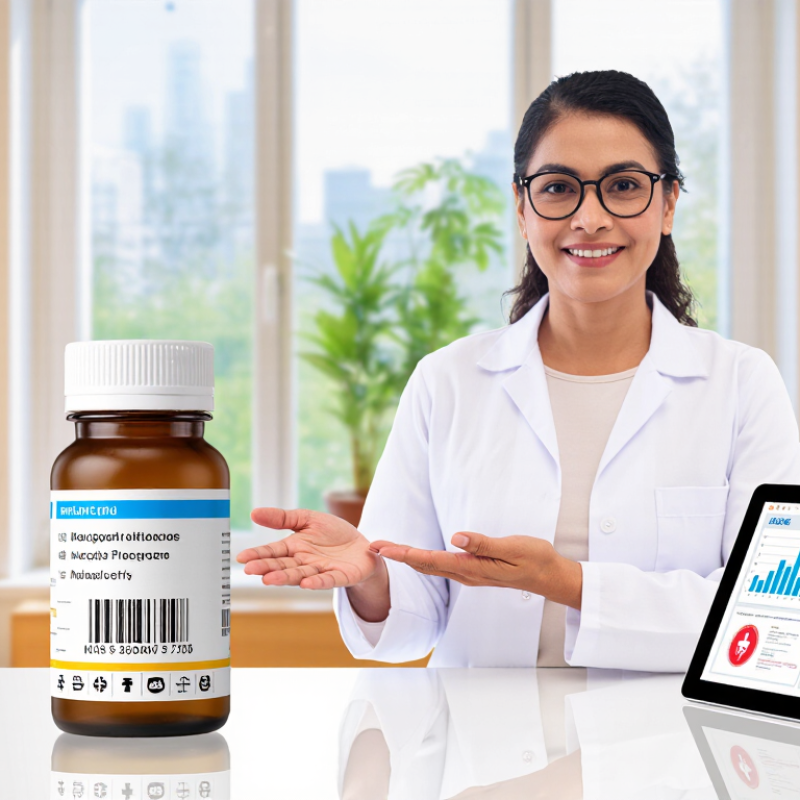
How to Source Blood Purifier Medicine Safely in 2026

Define Whether “Blood Purifier” Means a Drug or a Dietary Supplement

“Blood purifier” is not a precise medical category. Before sourcing a product in 2026, identify what it actually is: a prescribed medicine or a dietary supplement. The distinction matters. A medicine has specific active ingredients and is intended to treat a defined condition. A supplement may contain herbs, vitamins, or minerals, but that does not prove it can cleanse blood or treat disease.

Read the package carefully. Check the ingredient list, dose, expiry date, and manufacturer contact details. If the label promises to remove toxins without explaining which substances or how, treat that claim cautiously. Vague claims are a warning sign. Ask a pharmacist or clinician to review the product, especially if you take prescription medicines, have a chronic condition, or are pregnant. Supplements can still cause side effects or interact with treatment.

For a prescribed medicine, confirm the exact ingredient and strength with your prescriber or pharmacist before purchase. Do not replace or stop a prescribed treatment based on a supplement label. I would not assume that a product is safe just because it is sold openly; that assumption is easy to make, and worth questioning. Keep the packaging and receipt so a health professional can check what you took if a problem occurs.

Check FDA Status: Supplements Aren’t Approved for Efficacy Before Sale

“Blood purifier” is a broad marketing phrase, not a precise medical diagnosis. Check the product’s full ingredient list and intended use before buying. In the United States, the FDA does not approve dietary supplements for safety or effectiveness before they are sold. That matters. FDA oversight after sale is not the same as a review proving a product works.

Look for FDA safety alerts, recalls, and warning letters, but remember that these records do not cover every product or confirm effectiveness. A professional-looking label, customer review, or third-party quality test cannot establish that a supplement “purifies” blood. Pause there. Be wary of claims that promise to remove toxins or replace prescribed care. The phrase can sound reassuring while leaving the actual ingredients and benefits unclear.

Write down the exact product name, ingredients, and amounts per serving. Take that information to a pharmacist or clinician, especially if you use medicines or have liver or kidney conditions. Some ingredients can affect medication levels or test results. Even careful shoppers can miss a small-print warning; I would not treat a quick online search as a safety check. Ask a qualified professional to review the label before you start.

How to Source Blood Purifier Medicine Safely in 2026

Check FDA status: Dietary supplements are not approved by the FDA for safety and effectiveness before sale.

How to read this chart: A value of 1 means premarket FDA approval is generally required; 0 means it generally is not. Most new drugs require FDA approval before marketing, while dietary supplements generally do not require premarket FDA approval for safety and effectiveness. This is a regulatory comparison, not a measure of product safety or effectiveness. Check product claims and consult a healthcare professional before use.

Assess Seller Risk: WHO Estimates 1 in 10 Medical Products in LMICs Are Substandard or Falsified

WHO estimates that about one in ten medical products in low- and middle-income countries is substandard or falsified. This figure covers medical products broadly; it does not mean one in ten blood purifier medicines is unsafe. Still, it makes seller checks important. Be cautious of online listings promising to “clean” or “detox” blood without clear, verifiable medical information. That matters.

Before ordering, check whether the seller is a licensed pharmacy or an authorized supplier in your location. Ask a pharmacist or clinician whether the medicine is appropriate for your condition and how it should be stored. Keep the receipt and inspect the sealed package, batch number, expiry date, and patient leaflet. Small details count. But appearance alone cannot prove a medicine is genuine; convincing packaging can still mislead. If the seal is broken, details are missing, or the price seems unusually low, pause and contact a qualified pharmacist or the relevant medicines regulator. I would not rely on reviews alone; they can be incomplete, and I have no way to verify a seller’s supply chain from a product photo.

Verify Ingredients and Interactions Using NIH Dietary Supplement Resources

How to Source Blood Purifier Medicine Safely in 2026

“Blood purifier” is not a standardized medical category. Treat the phrase as a marketing description, not proof that a product removes toxins or treats disease. Before considering any supplement, write down its full ingredient list and the amount of each ingredient per serving. Check the NIH Office of Dietary Supplements fact sheets for ingredient-specific evidence, known safety concerns, and possible interactions. NIH resources inform your research; they do not confirm that a product is safe for you.

Tips: Keep the package nearby. Compare its label with your prescription and over-the-counter medicine list. Watch for blends that hide individual ingredient amounts. Ask a pharmacist or clinician to review the exact product, especially if you take blood thinners, diabetes medicine, or several prescriptions. Short check. Bring the bottle or a clear label photo to your appointment.

Pay attention to warnings, suggested serving sizes, and the manufacturer’s contact details. A familiar herb can still affect a medicine, and “natural” does not mean risk-free. If the label is vague, claims a cure, or promises fast cleansing, pause rather than guessing. I may miss a subtle interaction when reading alone; a qualified professional can consider your health conditions and medicines together. Don’t stop prescribed treatment to try a supplement.

Check Batch, Expiry, Storage, and Pharmacist Guidance Before Use

The phrase “blood purifier” is not a precise medical category. Before buying anything sold under that description, ask your prescriber what condition it treats and confirm the exact medicine and dose. If it was not prescribed, speak with a pharmacist before use. A product’s packaging cannot prove that it is suitable for you.

Check the batch number and expiry date on the carton and container. They should be readable and consistent. Check the seal. Do not use a pack with broken seals, damaged tablets, unusual color, or missing labeling. Keep the receipt and packaging in case the pharmacist needs to inspect them. I would not rely on online photos alone; they can hide important details.

Follow the storage instructions on the label, including temperature and protection from moisture. A medicine left in a hot car may not be stored properly. If it arrived warm, wet, or with unclear instructions, pause and ask a pharmacist. Pause if unsure. Tell the pharmacist about your other medicines, allergies, and health conditions, and ask what to do if you miss a dose. Keep prescribed treatment unchanged unless your clinician advises otherwise.

How to Source Blood Purifier Medicine Safely in 2026 — Check Batch, Expiry, Storage, and Pharmacist Guidance Before Use
Safety check What to verify Safer action Warning signs
Clarify the medicine and its purpose “Blood purifier” is a broad, non-specific term; it does not identify one standardized medicine or diagnosis. Ask a licensed clinician what condition is being treated and confirm the medicine’s generic name, intended use, dose, and duration. A seller’s claim that a product “cleanses” or “detoxifies” blood without a clear diagnosis or evidence.
Choose a legitimate source Check that the pharmacy is licensed under the rules where you live and provides a pharmacist contact. Use an authorized source for prescription medicines. Buy from a licensed pharmacy or other authorized dispenser. Follow local rules for online pharmacy verification. Unverified websites, social-media sellers, products sold without required prescriptions, or sellers who cannot be contacted.
Confirm the product and label Match the medicine name, strength, dosage form, directions, and patient details to the prescription or clinician’s instructions. Ask the pharmacist to resolve any mismatch before paying or taking the medicine. Do not substitute a product without professional advice. Missing, altered, unreadable, or inconsistent labeling; damaged seals; or unexpected tablets, liquid, color, or packaging.
Check batch or lot details Look for a legible batch/lot number and compare package components where applicable. Verification systems differ by country and product. Ask the pharmacist or relevant medicines regulator how to check a suspicious batch. Keep the package and receipt. Missing or obscured batch details, signs of tampering, or a recall or safety alert affecting the batch.
Check the expiry date Read the expiry date on the immediate container and outer packaging, if present. Confirm it will remain in date for the intended course. Do not use expired medicine. Ask the pharmacist how to interpret a date that is smudged, inconsistent, or unclear. An expired date, removed date, or packaging that appears relabeled or altered.
Confirm storage requirements Follow the product label or patient leaflet for temperature, light, moisture, and refrigeration requirements. Requirements vary by medicine. Transport and store it as directed; keep it in its original packaging and away from children. Ask a pharmacist if it was exposed to heat, freezing, or moisture. Uncertain storage history, damaged packaging, or a product left outside its specified conditions.
Review ingredients and interactions Check active ingredients, excipients, allergies, and possible interactions with prescriptions, over-the-counter medicines, and supplements. Give the pharmacist a complete medication and supplement list, plus relevant allergies and health conditions. Claims that a product is guaranteed safe because it is “natural,” or advice to stop prescribed treatment without consulting a clinician.
Get pharmacist guidance before use Confirm how and when to take it, what to do after a missed dose, and which side effects or symptoms need urgent attention. Read the patient leaflet and ask questions before the first dose. Follow the prescriber’s directions; do not exceed the recommended dose. Unclear dosing instructions, pressure to start immediately, or advice that conflicts with the prescription or leaflet.
Keep records and report concerns Retain the receipt, packaging, leaflet, and batch details. These can help a pharmacist or regulator investigate a concern. Contact a pharmacist or clinician if the medicine looks unusual or causes a suspected reaction. Seek emergency help for severe symptoms. Serious allergic symptoms, breathing difficulty, fainting, or other severe or rapidly worsening reactions.
preloader