Refurbished Pathology Equipment
Top Leica Rotary Microtome for Sale Worldwide?
Choosing the top leica rotary microtome for sale worldwide requires more than comparing prices. Laboratories need consistent sectioning, dependable construction, and practical support after purchase. A microtome may look impressive online, yet its daily performance depends on blade stability, feed precision, ergonomics, and maintenance access.
This guide examines respected Leica models through evidence-based criteria. These include manufacturer specifications, laboratory applications, service availability, warranty terms, and feedback from trained pathology professionals. Cutting paraffin blocks into thin, even sections demands control. A stable handwheel, smooth specimen advance, and secure cassette holder can reduce wrinkles and compression. Small details matter.
Worldwide buyers also face different voltage standards, shipping conditions, and replacement-part networks. Confirm compatibility before ordering. Ask whether local technicians can calibrate the instrument and supply approved components. A low purchase price may become expensive when support is distant. That point is easy to overlook.
No ranking is perfect. A model preferred in a busy histology department may not suit a teaching laboratory or a smaller clinic. New instruments can offer confidence, while carefully serviced units may provide strong value. Still, refurbished equipment requires transparent inspection records. Be cautious with vague listings and incomplete photographs. This comparison aims to separate measurable performance from attractive marketing language. It also recognizes an uncomfortable truth: the “best” leica rotary microtome depends on workload, operator skill, budget, and long-term service expectations. Reliable purchasing begins with those realities.
What Is a Leica Rotary Microtome?
What Is a Leica Rotary Microtome?
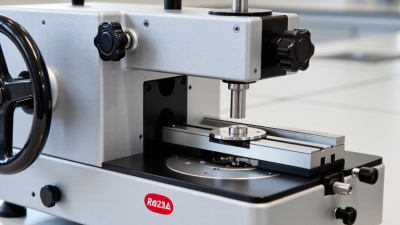
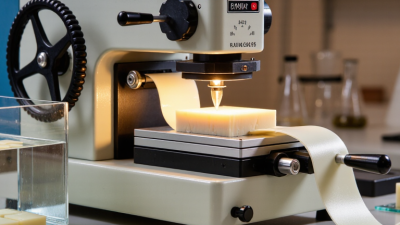
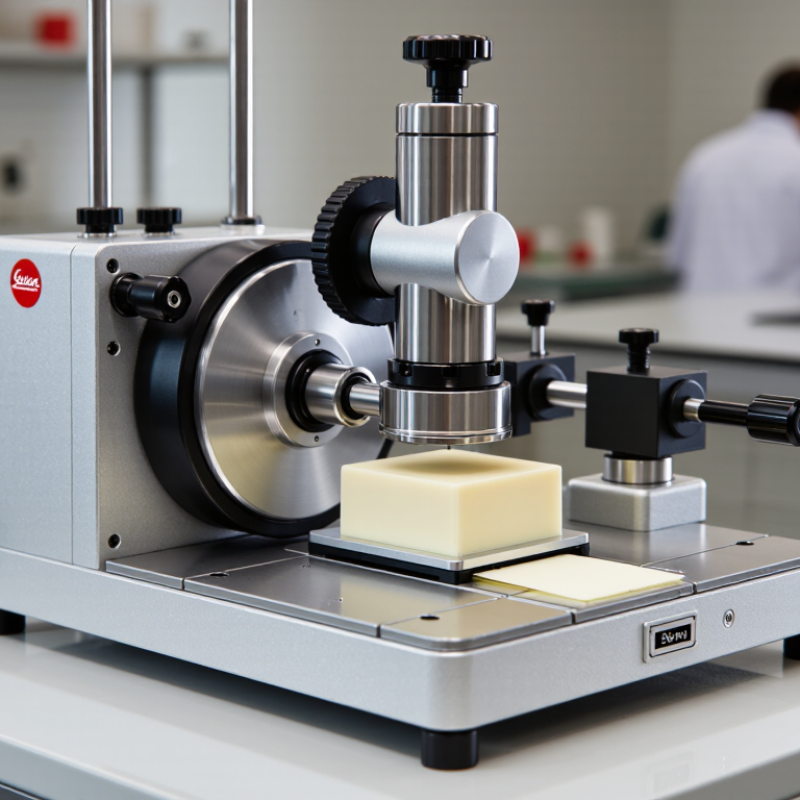
A rotary microtome is a precision laboratory instrument that cuts thin tissue sections for microscopic examination. It uses a handwheel to move a specimen block toward a sharp disposable or reusable blade. Each rotation produces a controlled slice, often measured in micrometres. These sections are placed on glass slides, stained, and examined by trained laboratory professionals.
In practical use, a stable base matters. Vibration can create uneven ribbons, compressed tissue, or torn edges. The operator adjusts the cutting thickness, secures the cassette, and checks blade alignment before trimming. Paraffin blocks usually require a cool, firm surface. Softer samples may need different preparation. Small changes make a visible difference. I have found that rushing this setup often causes avoidable defects, although even experienced users occasionally need to repeat a block.
Tips: Keep the blade clean and inspect it under suitable lighting. Use steady handwheel movement rather than sudden force. Record section thickness and preparation conditions for repeatability. Maintain the instrument according to its technical manual, and replace worn parts before accuracy declines.
A quality rotary microtome should offer smooth advancement, reliable thickness control, and comfortable handling during extended work. Safety features also deserve attention, especially blade guards and secure locking mechanisms. Purchase decisions should consider sample type, daily workload, operator training, service access, and replacement-part availability. A low price may become expensive when maintenance is difficult. Specifications help, but real handling experience remains important.
Top Leica Rotary Microtome for Sale Worldwide? - What Is a Leica Rotary Microtome?
A rotary microtome is a precision laboratory instrument used to cut thin sections of paraffin-embedded tissue or other specimens for microscopic examination. The table below summarizes common rotary microtome configurations and purchasing factors without ranking or identifying specific manufacturers.
| Data Dimension | Typical Specification or Description | Practical Importance |
|---|---|---|
| Instrument Type | Manual rotary microtome | Suitable for routine histology when the operator controls specimen movement and cutting speed. |
| Advanced Configuration | Motorized or semi-motorized rotary microtome | Provides more consistent sectioning and can reduce repetitive manual handwheel operation. |
| Typical Section Thickness | Approximately 1–60 micrometres, depending on the specimen, knife, and instrument configuration | Routine paraffin sections are commonly cut at about 3–5 micrometres for light microscopy. |
| Section Thickness Setting | Selectable in micrometre increments using a calibrated feed mechanism | Accurate thickness control supports repeatable staining and microscopic evaluation. |
| Specimen Retraction | Optional or integrated retraction during the return stroke | Helps reduce contact between the specimen and cutting edge, which may improve section quality and blade life. |
| Specimen Capacity | Commonly accommodates standard paraffin blocks and interchangeable specimen clamps | Check compatibility with cassette clamps, universal holders, and larger-format tissue blocks. |
| Cutting Tool Compatibility | Disposable steel blades, reusable steel knives, or tungsten-carbide knives, depending on the holder | The correct blade and holder combination affects sharpness, safety, operating cost, and section quality. |
| Primary Applications | Routine histopathology, veterinary pathology, research laboratories, education, and quality-control work | The required configuration depends on workload, specimen type, section thickness, and operator experience. |
| Key Safety Features | Handwheel lock, blade guard, stable base, controlled specimen advance, and accessible waste tray | Safety features help reduce accidental movement, cutting injuries, and contamination from paraffin waste. |
| Ergonomic Factors | Low-effort handwheel, adjustable operating position, clear controls, and easy-access specimen area | Good ergonomics are especially important for laboratories producing a high number of sections each day. |
| Maintenance Requirements | Routine cleaning, removal of paraffin debris, inspection of clamps, lubrication where specified, and periodic calibration | Regular maintenance helps preserve feed accuracy and extend the usable life of mechanical components. |
| Power Requirement | Manual units may require no electrical power; motorized units require region-compatible mains power | For international purchases, confirm voltage, frequency, plug type, and electrical certification. |
| Worldwide Purchasing Checks | Shipping protection, import documentation, warranty coverage, service availability, spare parts, and training | Local technical support and access to replacement parts can significantly affect total ownership cost. |
| Typical Cost Category | Entry-level manual, professional manual, and motorized systems vary widely in price | Compare the total cost of the instrument, blades, holders, service, shipping, taxes, and installation rather than purchase price alone. |
| Recommended Selection Criteria | Sectioning range, feed accuracy, specimen size, blade compatibility, safety design, workload, and service support | A suitable instrument should match the laboratory’s specimen volume and workflow instead of being selected by appearance or price alone. |
Note: Specifications can differ between configurations and product generations. Confirm the current technical datasheet, accessories, compliance documents, warranty terms, and local service conditions before purchase.