How to Use an RM2235 Microtome Safely and Effectively
Using an rm2235 microtome safely requires more than turning the handwheel and selecting a section thickness. It demands controlled movements, careful preparation, and respect for the exposed blade. This guide introduces practical methods for operating the instrument with confidence, from checking the specimen clamp to securing the blade holder before trimming paraffin blocks.
James Reason, a respected safety researcher, wrote, “We cannot change the human condition, but we can change the conditions under which humans work.” His principle applies directly to rm2235 microtome use. A clean workspace, suitable personal protective equipment, and a consistent operating routine can reduce avoidable mistakes. Small details matter. A loose block can produce uneven sections. A poorly positioned blade can damage tissue or injure the operator.
The article also examines daily inspection, handwheel control, section collection, cleaning, and basic maintenance. It explains why users should engage the handwheel lock whenever their hands approach the blade area. It also emphasizes following the manufacturer’s instructions and local laboratory procedures. No shortcut is worth a damaged specimen or an injured hand.
Experience still has limits.
Even trained users can rush. That is where reflection matters. After each session, consider what felt awkward, what produced inconsistent sections, and what should change next time. Safe technique improves through repetition, observation, and honest correction. This practical overview is designed for students, technicians, and laboratory professionals who want reliable results from an rm2235 microtome without treating safety as an afterthought.

Understanding the RM2235 Microtome and Its Safety Features
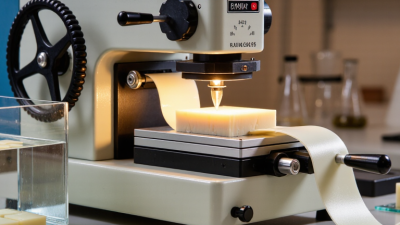
The RM2235 microtome is a precision instrument for producing thin tissue sections. Its safety features support careful work, but they cannot replace trained handling. Before use, inspect the blade holder, specimen clamp, handwheel, and waste tray. Confirm that each part is secure.
The handwheel lock is essential during setup. Engage it before inserting a specimen or changing a blade. Keep the blade guard covering the cutting edge whenever sectioning stops. Even a clean-looking blade can cause a serious cut. I keep forceps and a soft brush nearby for removing sections, never my fingers. Gloves help, but they do not make the blade safe.
Set the specimen firmly and advance it slowly. Sudden movement can damage the block or produce uneven sections. Adjust trimming and section thickness according to the tissue and embedding medium. Experienced users should still check the first few sections under suitable lighting. I once focused too much on section quality and noticed the handwheel lock was not fully engaged. That mistake was avoidable. A short pause before each adjustment is worthwhile. Follow the laboratory’s operating procedure, maintenance schedule, and documented training requirements. Keep the work surface dry, uncluttered, and free from loose fragments.
How to Use an RM2235 Microtome Safely and Effectively
Understanding the RM2235 Microtome and Its Safety Features
The chart shows representative starting thicknesses commonly used for different specimen-preparation methods. Paraffin sections are often cut at approximately 3–5 µm, frozen sections at about 5–10 µm, and celloidin sections at roughly 10–20 µm. Always adjust the setting according to specimen hardness, blade condition, and the requirements of the examination.
For safe operation, secure the specimen firmly, confirm that the handwheel is locked during setup, keep the blade guard engaged whenever cutting is not in progress, and use forceps or a brush rather than fingers to remove sections. Release the handwheel only after the cutting area is clear.
Preparing the Workspace, Specimen, and Cutting Tools
How to Use an RM2235 Microtome Safely and Effectively
Preparing the Workspace, Specimen, and Cutting Tools
A safe workspace begins with a clear, stable bench and strong, even lighting. Remove loose items that could catch on the handwheel or interfere with specimen handling. Wear a lab coat, eye protection, and suitable gloves. Keep the blade guard in place whenever cutting is paused. Small details matter.
Before loading the specimen, inspect the block carefully. It should be firm, centered, and securely clamped. Trim excess embedding material so the cutting surface meets the specimen evenly. If the block feels soft, warm, or cracked, stop and correct it. Cutting a poor block wastes sections and can damage the tool.
Select a clean, undamaged blade designed for the material being sectioned. Check that it seats evenly, then tighten the holder according to the equipment instructions. Never adjust the blade while the handwheel can move unexpectedly. Turn the wheel slowly and maintain a controlled rhythm. A steady motion usually produces smoother ribbons than forceful turning.
I once rushed a setup and produced compressed sections. The problem was not the instrument; the block was poorly cooled. That mistake changed my routine. I now check block firmness, blade alignment, and clearance before every run. Collect sections with a brush or forceps, not bare fingers. Dispose of used blades in an approved sharps container, and clean loose wax from the work area after use.
Installing and Aligning the Specimen Block
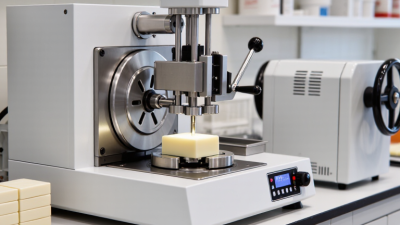
Installing and aligning the specimen block on an RM2235 microtome requires patience and clean handling. Before starting, place the instrument on a stable, level bench. Engage the handwheel lock and install the blade guard.
Wear suitable cut-resistant protection, but never rely on gloves alone. A sharp blade can still cause injury.
Trim the specimen so its surface is flat and firmly secured in the specimen clamp. Check that the cassette or block cannot move when pressed gently from different directions. Loosen the clamp only as much as necessary, then center the block over the blade path.
Use the orientation controls to make the tissue face parallel with the cutting edge. Small adjustments matter. A slight tilt can produce uneven ribbons or expose the tissue poorly.
Advance the block slowly until it approaches the blade. Keep fingers behind the guard and use the handwheel smoothly. The first sections may show an imperfect alignment. That is useful evidence, not a failure.
Stop, lock the handwheel, and correct the angle rather than forcing the cut. I have sometimes adjusted too quickly and created unnecessary trimming waste. A slower check would have helped.
Confirm the block remains secure after alignment, then set a conservative section thickness according to the tissue and laboratory procedure. Experienced users still pause here, because a stable block and controlled approach protect both the specimen and the operator.
Setting Section Thickness and Operating the Handwheel
How to Use an RM2235 Microtome Safely and Effectively
Setting Section Thickness and Operating the Handwheel
Before using an RM2235 microtome, inspect the blade holder, specimen clamp, and handwheel lock. Keep the cutting edge covered during every adjustment.
The U.S. Bureau of Labor Statistics recorded 888,220 workplace injury cases requiring days away from work in 2023. Microtome work is more controlled than many industrial tasks, but sharp-edge risks remain real.
Set the section thickness according to the specimen and examination purpose. Paraffin sections commonly begin around 3–5 micrometres. Confirm the selected value on the thickness control before releasing the handwheel lock. Advance the specimen slowly, then turn the handwheel with one steady motion. Follow the marked rotation direction. Avoid reversing halfway through a stroke, because uneven force can produce chatter, compression, or torn ribbons.
Use both hands carefully. One hand should guide the wheel, while the other stays away from the blade path. Do not force a stiff mechanism. Stop and inspect the clamp, wax block, or clearance instead.
The World Health Organization’s Laboratory Biosafety Manual identifies sharps as a significant laboratory exposure hazard, supporting strict handling controls.
I still pause before every adjustment; rushing feels efficient, but it often creates poorer sections.
Small errors matter. Lock the wheel before removing sections or changing the blade, and record the final thickness for repeatable work.
Collecting Sections, Cleaning the Instrument, and Managing Risks
How to Use an RM2235 Microtome Safely and Effectively
Before operating the microtome, inspect the handwheel, specimen clamp, blade holder, and waste tray. Wear a fitted lab coat, eye protection, and cut-resistant gloves when handling blades. Secure the specimen firmly, then adjust the cutting thickness according to its hardness and embedding medium. Keep both hands away from the blade path. Slow, even rotation usually produces cleaner sections than forced movement.
Collect sections with a fine brush or clean forceps, avoiding direct contact with the blade. Place each section gently onto the prepared water surface or slide. Wrinkled sections may indicate poor trimming, uneven cooling, or excessive cutting speed. Do not blame the instrument too quickly. Check the block and settings first. After use, lock the handwheel, retract the specimen, and remove the blade with a designated tool. Dispose of damaged blades in an approved sharps container.
Tips: Keep the work area dry and uncluttered. Brush wax debris away from the base and guides, never toward yourself. Use a soft brush, not compressed air. Wipe accessible surfaces with a compatible cleaner, then dry them fully. Record unusual vibration, uneven sections, or loose components. Small problems become expensive ones. If the blade catches or the mechanism feels abnormal, stop and report it to trained maintenance personnel before continuing.