What Are the 2026 Top LPG Gas Detectors for Buyers?
Choosing the right gas detector matters when safety depends on a fast, clear warning. In 2026, buyers face many products with different sensors, alarm levels, power options, and smart features. An Lpg Gas Detector should identify leaks quickly and remain dependable during ordinary household use. Price alone cannot prove quality. Small details matter.
This guide compares leading options for homes, kitchens, workshops, caravans, and small commercial spaces. It examines sensor technology, detection response, alarm volume, battery life, screen visibility, and installation flexibility. A bright display helps in a dim utility room. A loud alarm matters when appliances are running nearby. Remote notifications can add convenience, but they may fail during power or network interruptions. Real-world experience also exposes weaknesses that product pages often overlook. A detector may perform well in testing yet become unreliable after poor placement, dust buildup, or neglected battery checks. That limitation deserves attention.
Reliable recommendations should reflect manufacturer documentation, recognized safety testing, and practical user evidence. Buyers should verify certification markings and local installation requirements before purchase. Professional installation may be appropriate near fixed LPG appliances or in unfamiliar buildings. No product suits every environment. This comparison therefore focuses on balanced performance rather than exaggerated promises. It also recognizes an uncomfortable truth: even the best detector cannot replace regular leak checks, ventilation awareness, and careful appliance maintenance. Use the findings as a buying guide, not as permission to ignore basic safety.
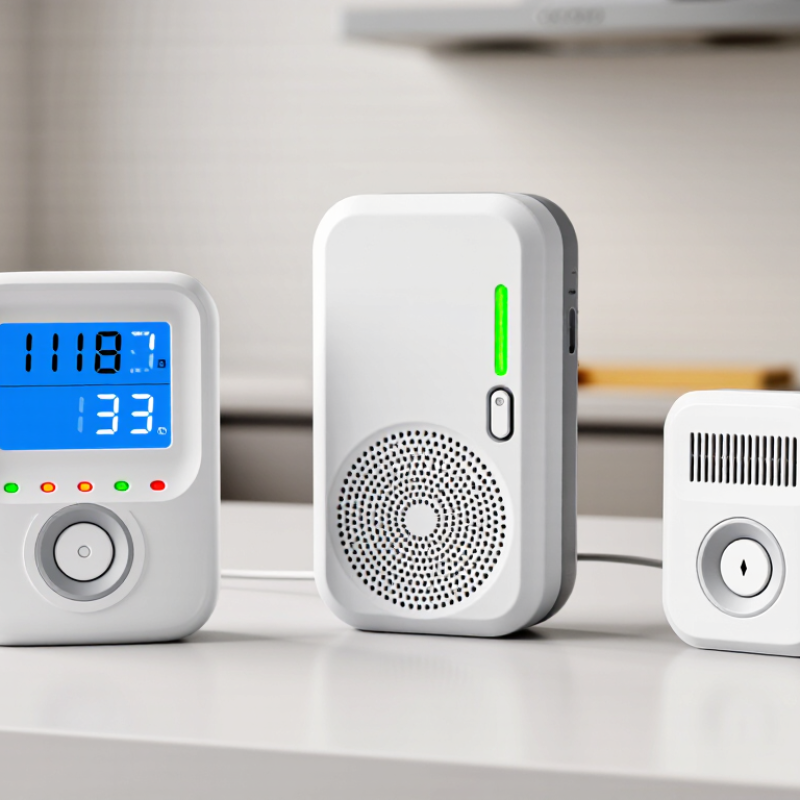
Define LPG Hazards: Propane LEL 2.1% and Butane LEL 1.8%
Choosing a top LPG gas detector in 2026 starts with understanding the hazard, not the display. NIOSH’s Pocket Guide lists propane’s lower explosive limit (LEL) at 2.1% by volume. Butane’s LEL is lower, at 1.8%. This difference matters during leaks. A smaller concentration can create an explosive atmosphere.
LPG vapors are heavier than air. They can settle near floors, drains, cabinets, and vehicle compartments. A detector placed at head height may miss an early accumulation. That is a practical weakness. Fixed detectors should be positioned near likely leak sources and low points, while portable units need suitable sampling probes. IEC 60079-29-1 emphasizes performance requirements for flammable-gas detection equipment, including response and measurement reliability. Buyers should check calibration records, sensor technology, alarm history, and resistance to humidity or dust.
The best detector is not always the one with the most features. It should display gas concentration clearly and warn before the LEL is reached. Dual alarms, visible indicators, audible signals, and event logging improve field decisions. NFPA 58 addresses LP-Gas storage and handling practices, but detector placement still requires site-specific judgment. Kitchens, cylinder rooms, workshops, and refrigerated spaces behave differently. I would also question any unit claiming permanent accuracy. Sensors age, batteries weaken, and careless testing can create false confidence. Regular bump testing and calibration remain essential.
Compare Detector Standards: EN 50194-1 and UL 1484 Compliance
For 2026 LPG gas detector buyers, compliance should matter more than a bright display or a low price. EN 50194-1 and UL 1484 are not interchangeable standards. Each reflects a different certification framework, testing approach, and market requirement.
EN 50194-1 focuses on electrical apparatus that detects combustible gases in domestic premises. It evaluates alarm performance, environmental resistance, electrical safety, and operating reliability. UL 1484 covers household gas detectors under a North American safety framework. A detector may satisfy one standard without satisfying the other. Check the exact certificate, not only a seller’s product description.
Look closely at the installation instructions. LPG is heavier than air, so sensor placement needs careful attention near possible leak points and low-level areas. Do not place the detector behind curtains, inside cabinets, or beside strong airflow. A useful inspection includes the certification number, alarm test function, power-failure behavior, sensor life, and replacement guidance. The alarm should be loud enough to hear from a sleeping room.
Some buyers focus too heavily on response time. That is understandable, but incomplete. False alarms, poor placement, and neglected testing can reduce real protection. In practical installations, small details often matter more than impressive specifications. I would also question vague claims such as “internationally approved.” They sound reassuring, yet they may hide missing documentation. Check the testing laboratory and the intended country of use.
Rank Sensor Types by Accuracy, Response Time, and 10% LEL Alarm Threshold
For 2026 LPG detection, infrared sensors rank highest for stable accuracy and fast response. They identify propane and butane without consuming the target gas. Many professional units reach alarm response within seconds. They also perform well in oxygen-poor spaces, where catalytic sensors may become less reliable. However, infrared models usually cost more and still need scheduled calibration.
Catalytic bead sensors remain a practical second choice. They respond quickly to combustible gas and offer proven field performance. Their accuracy can decline after exposure to silicone vapors, solvents, or heavy contamination. Semiconductor sensors rank third for professional leak measurement. They are sensitive and affordable, but humidity and household chemicals can cause drift. Their response time may vary widely. That weakness matters near a 10% LEL alarm threshold. For propane, 10% LEL equals roughly 0.21% gas by volume, though LPG mixtures differ.
Tips: Select a detector with a clearly adjustable 10% LEL alarm. Check its published response time, not only its sensor type. Place it low, because LPG is heavier than air. Test the alarm before each demanding inspection. Calibration records matter. In real work, I have seen clean-looking sensors produce questionable readings after poor storage. That detail is easy to ignore. Temperature, airflow, and sensor age can also change results. No ranking replaces a documented bump test and careful site assessment.
Select Top LPG Detectors for Homes, RVs, Kitchens, and Industrial Sites
Choosing the right LPG gas detector depends on the space, fuel source, and daily risks. Homes need compact detectors with loud alarms and clear status lights. Install one near LPG appliances, but not directly above a cooker. LPG is heavier than air, so low-level placement often matters. Follow the device instructions carefully.
RVs require detectors that handle vibration, limited space, and changing temperatures. A model with battery backup can protect occupants during power interruptions. Kitchens need heat-resistant housings and simple test buttons. Industrial sites demand stronger systems, wider sensing coverage, and professional installation. Look for recognized safety certification, sensor replacement guidance, and a documented testing method. No detector is perfect. Poor placement can weaken even a reliable sensor.
Tips: Test the alarm every month. Keep vents clear. Never paint over the sensor. Replace batteries when needed, not after the warning becomes annoying. Check the detector after major repairs or appliance changes. In industrial areas, record inspection results and arrange qualified maintenance. Some buyers focus only on alarm volume, but response time and sensor life deserve equal attention. A very cheap unit may seem practical, yet unclear calibration information should raise questions. Personally, I would rather accept a slightly larger detector than hide a small one behind furniture.
2026 LPG Gas Detector Buying Reference
Propane and n-butane are the primary combustible gases found in LPG. The chart compares their lower and upper explosive limits and shows the approximate gas concentration corresponding to a 10% LEL alarm level. For homes, RVs, and kitchens, choose a detector specifically rated for LPG, propane, or butane. Industrial installations may require certified fixed systems, multiple alarm levels, and compliance with local safety standards.