What is the Best Type of Leica Microtome Blades for You?
Choosing the right Leica microtome blades can significantly impact your histological work. A recent industry report highlighted that up to 70% of cutting failures in labs are due to inadequate blade selection. This statistic underscores the importance of making informed choices when it comes to Leica microtome blades.
The right blade can deliver precise and consistent sections. Many professionals overlook this aspect, focusing instead on the microtome itself. However, blades have unique characteristics that can affect your results. Factors like material, sharpness, and application type should be considered. Unfortunately, many users experience frustration when the wrong blade is used, leading to wasted time and resources.
Investing in quality Leica microtome blades is essential for optimal performance. Inadequate choices can compromise sample quality, affecting research outcomes. Reflecting on your blade selection could unveil areas for improvement in your lab practices.
Understanding the Basics of Leica Microtome Blades
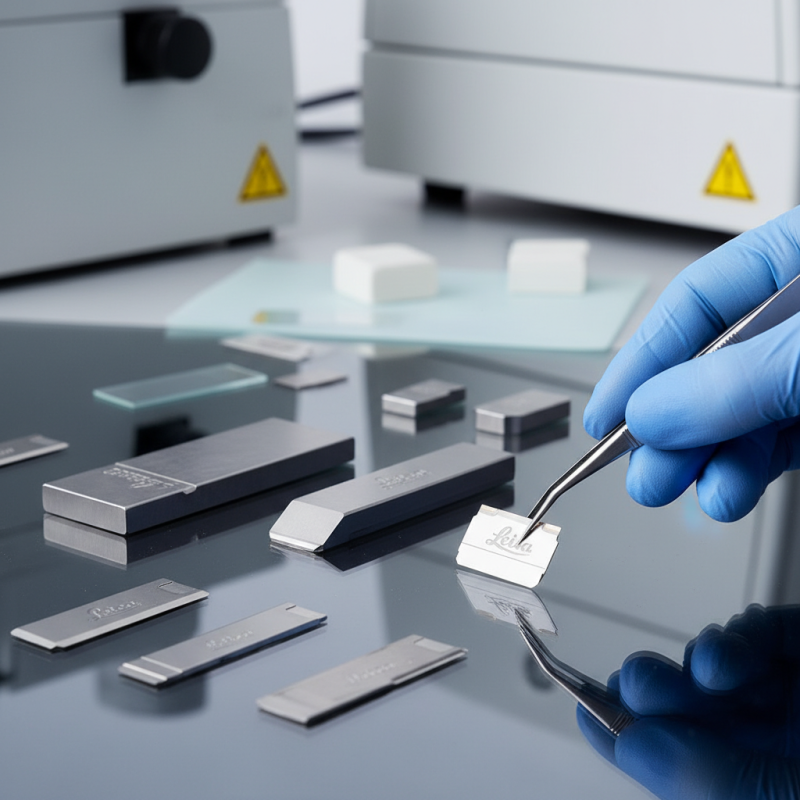
Leica microtome blades play a crucial role in cutting thin slices of specimens for microscopy. Choosing the right blade can feel overwhelming. There are various types, each designed for specific materials and applications. Knowing the basics helps simplify your decision.
Microtome blades differ in thickness, coating, and material. Some blades are made of stainless steel, while others use advanced ceramic. Stainless steel blades are common for routine tasks. They are durable and easy to maintain. However, they may not provide the sharpest cuts over time. Ceramic blades offer precision but can be more fragile.
The shape of the blade edge is also important. A flat edge can produce cleaner cuts, while a beveled edge might be better for harder specimens. Reflecting on your specific needs is essential. What materials do you often work with? Recognizing these details can guide your choice and improve your results significantly.
Types of Leica Microtome Blades and Their Applications
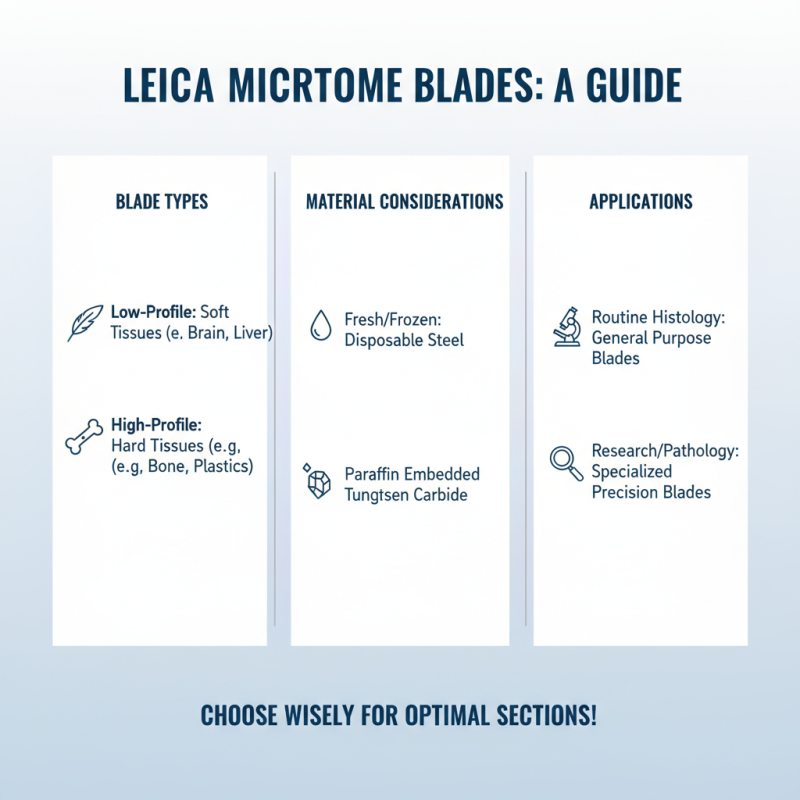
When selecting microtome blades, understanding their types is crucial. There are various blade options, each designed for specific applications. For example, stainless steel blades are versatile and work well for routine histology. Disposable blades are convenient for quick tasks, reducing cross-contamination risks. Glass blades offer exceptional sharpness for delicate sections, although they require careful handling.
Tip: Always inspect blades before use. A damaged blade can lead to poor section quality.
Different sample types also influence blade choice. For hard tissues, use blades made from more robust materials. Softer samples require blades that can provide fine cuts without tearing. The wrong blade might ruin valuable samples, leading to wasted research.
Tip: Keep a log of blade performance. Over time, you'll identify which types work best for your needs. Documenting this can be a helpful reflection point.
Types of Microtome Blades and Their Applications
Factors to Consider When Choosing Leica Microtome Blades
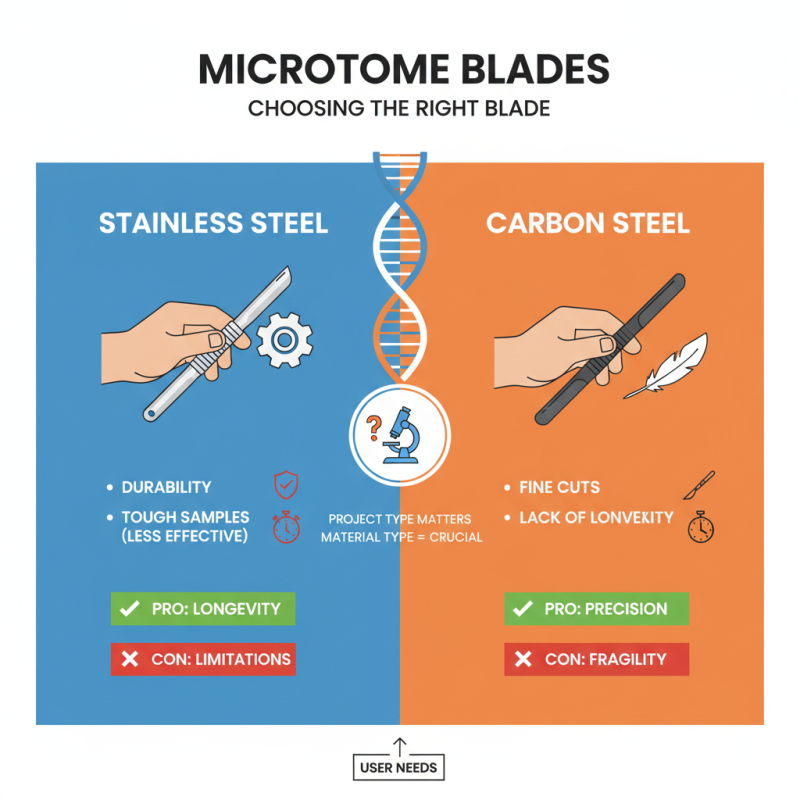
Choosing the right microtome blades is crucial for effective sectioning. Different projects require specific blades. Material type is a vital consideration. Stainless steel blades provide durability. However, they may not perform well with tough samples. Carbon steel blades can achieve fine cuts but lack longevity. Depending on user needs, each material has pros and cons.
Another important factor is blade thickness. Thinner blades are ideal for precise work. They provide smooth sections but are prone to chipping. Thicker blades are sturdier, yet they may produce rough edges. Users must assess their project requirements and sample types. This might involve some trial and error. It’s essential to reflect on past experiences and adapt accordingly.
Blade size and shape also matter. Various sizes cater to different applications. Some require straight edges, while others benefit from curved ones. Finding the perfect fit for your technique can be challenging. It often takes time to find the right combination. Each decision impacts the quality of your sections, making it a critical aspect of your work.
Comparative Analysis of Popular Leica Microtome Blade Brands
When it comes to selecting microtome blades, a variety of factors can influence your choice. Different brands offer blades tailored for specific applications. Some blades provide exceptional sharpness, while others focus on durability. Each type has its advantages and flaws. For instance, one brand's blades might excel in cutting soft tissues, but leave fragments behind when used on harder specimens.
Comparing various brands reveals their unique qualities. One manufacturer’s blades are praised for their precision, but they may dull quicker than others. This trade-off could lead to increased costs in the long run. Conversely, another option might last longer, yet fail to deliver the fine cuts required for delicate samples. Balancing sharpness and longevity is key. Many users find themselves stuck between these two choices.
Quality is crucial; however, user experience can vary greatly. Some researchers report inconsistent results depending on the batch received. This unpredictability raises questions about quality control. It’s essential to test several blades to find the right fit for your specific needs. Everyone's preferences differ; what works for one may not work for another. These complexities make the decision process both challenging and necessary for optimal results.
Maintaining and Caring for Your Leica Microtome Blades
Caring for microtome blades is crucial for optimal performance. Regular maintenance can extend the lifespan of a blade. Studies show that properly maintained blades can last up to 30% longer than neglected ones. Factors such as humidity, temperature, and storage conditions play significant roles in a blade's durability.
Cleaning blades immediately after use is essential. Residues from samples can lead to corrosion. Using a non-abrasive solution helps prevent damage. Many professionals overlook this routine, causing premature dullness and wear. Keeping blades dry and stored in a protective case minimizes exposure to environmental factors, which can affect sharpness over time.
Sharpening techniques and frequency vary based on usage. Some reports indicate a significant drop in sectioning quality after just ten uses without sharpening. Finding the right balance is challenging. Over-sharpening can degrade the blade's edge, while under-sharpening leads to poor sectioning. Monitoring your usage and adjusting your maintenance routine can significantly improve your outcomes. The process isn't perfect — reflection on these practices is vital to ensuring the best results.