How to Buy a Leica RM2235 Microtome in 2026?

Buying a Leica RM2235 microtome in 2026 requires more than comparing online prices. This manual rotary microtome is valued for controlled sectioning, stable mechanics, and routine histology work. However, availability may vary between regions, distributors, and refurbished-equipment markets. A careful buyer should confirm the exact model, production condition, included accessories, and service history before paying. Small details matter. A worn specimen clamp can affect daily results.

This guide explains how to evaluate a Leica RM2235 microtome with practical, evidence-based criteria. It covers supplier credibility, equipment inspection, blade-holder compatibility, handwheel movement, specimen-feed performance, and warranty terms. Ask for clear photographs of the feed mechanism, stage, clamps, and serial plate. Request a written quotation that separates shipping, installation, training, and taxes. Do not rely on attractive descriptions alone. They can be incomplete.

A new unit may offer stronger support, while a refurbished unit may reduce the initial cost. The cheaper option is not always safer. Buyers should compare the total ownership cost, including replacement parts, maintenance, calibration checks, and technician access. No checklist is perfect. Even experienced purchasers can overlook regional service limitations or missing accessories. That is why direct questions and documented answers are essential. A dependable purchase should support consistent section quality, operator safety, and long-term laboratory workflow.
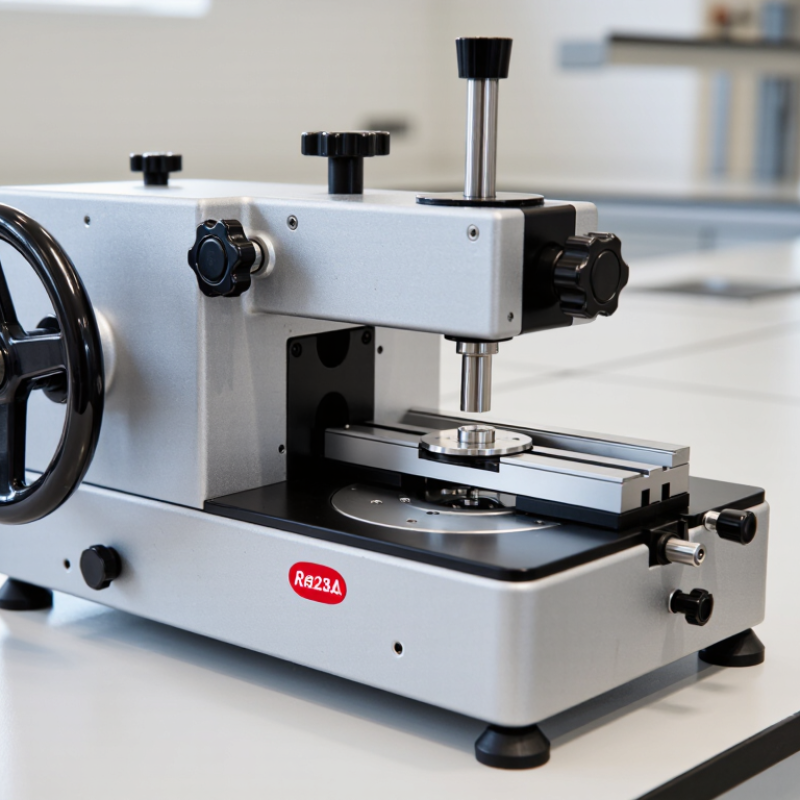
How to Buy a Leica RM2235 Microtome in 2026?

Leica RM2235 Microtome: Core Features and Intended Laboratory Uses

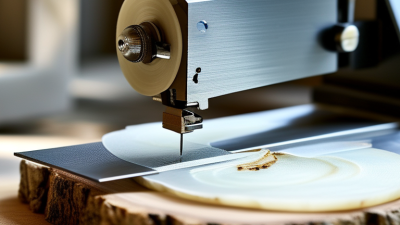
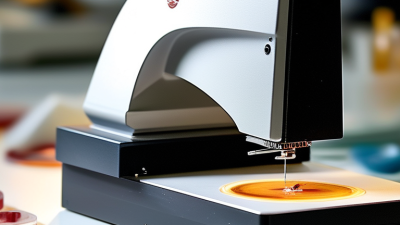
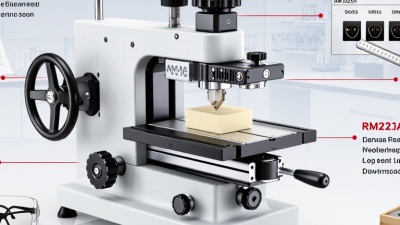
A manual rotary microtome is designed for controlled sectioning of paraffin-embedded tissue. Its handwheel moves the specimen vertically across a fixed blade. This action helps produce thin, consistent sections for microscope slides. Common core features include adjustable section thickness, a secure specimen clamp, a blade holder, and a handwheel lock. The lock is important during cleaning or block replacement.

In routine histology work, this instrument suits pathology laboratories, research facilities, and teaching environments. It handles processed tissue blocks such as liver, skin, and biopsy samples. An experienced technician can adjust the cutting angle, trimming depth, and wax temperature to improve ribbon formation. Small details matter. A poorly cooled block may crumble, while excessive pressure can compress the tissue. The machine cannot correct weak fixation or poor processing.

When evaluating a unit in 2026, inspect the feed mechanism, safety controls, clamp stability, and service records. Ask whether replacement holders and compatible accessories remain available. A smooth handwheel is useful, but it does not guarantee excellent sections. I would also test several blocks instead of relying on a showroom demonstration. The workflow may feel slower than automated equipment. That limitation deserves honest consideration. For laboratories that value mechanical control, straightforward maintenance, and repeatable paraffin sectioning, this type of microtome can remain a practical choice.

How to Assess Your Sectioning Requirements Before Buying

Before buying a manual rotary microtome, define your actual sectioning workload. Begin with specimens, not the catalog. A 2024 Global Histology and Cytology Market report projects continued market growth, but growth does not reveal your laboratory’s needs.

Record tissue types, block sizes, daily volume, and preferred section thickness. Routine paraffin blocks may require 3–5 micrometre sections. Harder specimens can demand stronger clamping and steadier feed control. Small details matter.

Measure your bench.

If your team processes 200 blocks during an eight-hour shift, the target is 25 blocks per hour. That equals one block every 2.4 minutes, excluding trimming and cleaning. Leave capacity for interruptions. I once underestimated this pause time, and the workload quickly became uncomfortable.

Check whether users can adjust thickness precisely, lock the handwheel, and remove blades safely. The WHO Laboratory Biosafety Manual, fourth edition, stresses risk control, maintenance, and documented procedures. Your purchasing checklist should reflect those requirements.

Also compare local training, spare-part access, warranty response, and compatibility with existing blades and cassettes. A cheaper instrument may become expensive when alignment problems delay cutting. Ask operators to test the feed mechanism with representative blocks, not demonstration material. Their feedback may challenge your original specification. That is useful.

Where to Find New, Refurbished, and Used RM2235 Units

How to Buy an RM2235 Microtome in 2026?

New RM2235 units are usually found through laboratory-equipment distributors, pathology suppliers, and verified institutional purchasing channels. Ask for the exact configuration, not just the model number. Confirm the handwheel operation, specimen feed, blade holder, safety guard, and available accessories. Request a current quotation, delivery estimate, warranty terms, and installation support. A new unit costs more, but documented service coverage can reduce downtime.

Refurbished units may offer better value when processed by a qualified laboratory-equipment specialist. Look for replacement records, calibration notes, and a written inspection report. Ask whether the feed mechanism was tested under load. Request close photographs of the specimen clamp, guide rails, and handwheel. Cosmetic wear is acceptable. Uneven movement is not. A short operational video can reveal problems hidden by polished panels.

Used RM2235 units appear through university surplus departments, laboratory closures, equipment resellers, and specialist marketplaces. Check the serial plate and ownership history before paying. Confirm that essential parts remain available in your region. Avoid listings with vague descriptions or only one photograph. A low price may reflect missing holders, worn bearings, or expensive transport. My checklist is not perfect, especially when sellers provide limited access. Build a small budget for cleaning, inspection, and possible calibration. Insist on secure packaging, because a damaged handwheel can turn a reasonable purchase into a frustrating repair.

How to Buy an RM2235 Microtome in 2026?

Estimated acquisition budgets by unit condition. These planning ranges are shown in USD and should be verified against current supplier quotations, refurbishment records, shipping costs, and applicable taxes.

New units generally require the largest budget, while refurbished and used units can reduce the initial purchase cost. Before ordering, confirm cutting thickness capability, specimen clamp compatibility, handwheel operation, feed accuracy, service history, and included accessories.

How to Verify Condition, Included Parts, and Seller Reliability

Buying an RM2235 in 2026 requires more than checking a clean product photo. Grand View Research’s 2024 laboratory equipment report valued the global market at about USD 39.4 billion in 2023. That scale attracts careful refurbishers and careless resellers. Ask for a dated video showing the handwheel, coarse feed, thickness dial, and locking mechanism working smoothly. Watch for uneven resistance, metal scraping, or sudden backlash. Those details often reveal neglected maintenance.

Request the exact included parts in writing. Confirm the specimen clamp, blade or knife holder, safety guard, waste tray, and compatible accessories. Missing small components can delay installation and increase the real purchase price. WHO’s Laboratory Quality Management System guidance stresses equipment inventories, maintenance records, and documented service history. A reliable seller should provide serial details, prior-use information, inspection notes, and clear return conditions. Vague answers are evidence too.

I once trusted a “tested” label too quickly. The handwheel moved, but the feed mechanism produced inconsistent sections. My mistake was testing motion without testing precision. Ask for a cutting demonstration using a suitable test block, with thickness settings shown clearly. Compare the seller’s photos with the delivered instrument. Check business registration, transaction history, independent reviews, and response quality. One polished review proves little. Several detailed reviews help, but they are not perfect evidence.

How to Buy a Used Rotary Microtome in 2026: Verify Condition, Included Parts, and Seller Reliability

What to Check How to Verify It Useful Evidence Warning Signs Buyer Action
Exact model and configuration Read the model and serial labels on the instrument. Compare them with the listing, manual, and any service records. Confirm the machine is the manual rotary type and check which accessories are compatible with that configuration. Clear, current photos of the labels; a matching manual or parts list; written confirmation of the supplied configuration. Labels are missing or unreadable, photos appear to show different machines, or the seller cannot identify the exact model. Request label photos and the relevant manual before paying. Do not assume that parts from another model will fit.
Mechanical condition and movement Ask for a continuous video showing the handwheel through a full rotation, the specimen head moving forward and retracting, and the handwheel lock engaging and releasing. Check for unusual play, binding, or grinding. A dated video of the actual unit and a written description of any stiffness, backlash, damage, or repairs. The handwheel jams, the head moves unevenly, the lock does not hold, or the seller provides only stock images. Request a live demonstration or arrange an inspection. Ask the seller not to force a stiff or locked mechanism.
Sectioning performance If practical, request a demonstration on a suitable test block using an appropriate sharp blade. Look for consistent section production and stable specimen advancement; results also depend on the block, blade, setup, and operator. A video showing the setup and several consecutive sections, plus details of the block and blade used. The unit cannot produce sections during a demonstration, or the seller makes performance claims without showing the instrument working. Treat a demonstration as evidence of function, not a guarantee of future performance. Confirm return terms in writing.
Feed adjustment and controls Check that the feed setting can be adjusted and that the advance mechanism responds smoothly. Verify the operating range against the manual for the exact model and revision. A close-up video of the controls and feed operation; the matching manual or specification sheet. A control is broken, markings are unreadable, adjustment is erratic, or the listing gives specifications without identifying the model. Compare specifications only with documentation for the exact configuration; avoid relying on specifications for a similar-looking instrument.
Blade holder and safety features Inspect the holder for cracks, corrosion, loose fasteners, and secure clamping. Check that any guard or lock included with that configuration moves and secures correctly. Close-up photos from multiple angles and a demonstration of holder clamping and safety-feature operation. A damaged holder, missing fasteners, a loose clamp, or a guard that cannot be secured. Do not use the instrument until damaged or uncertain safety components have been assessed and replaced as needed.
Included parts and accessories Request an itemized list and photos of every included component. Common items may include a blade holder, specimen clamp, handwheel handle, waste tray, and tools, but the supplied set varies by configuration and sale. A dated group photo and a signed or written packing list that names each part and its condition. The listing says “complete” without an inventory, or photos show accessories that are excluded from the sale. Have the final list and any agreed replacement parts included in the order record before payment.
Wear, corrosion, and cleanliness Inspect the handwheel, specimen head, adjustment controls, base, and exposed metal surfaces. Ask about storage, cleaning, repairs, and any exposure to liquids or corrosive chemicals. Recent, well-lit photos of the whole unit and close-ups of worn or repaired areas; a written condition report. Deep corrosion, cracked castings, fluid damage, heavy residue around moving parts, or damage hidden by the photo angles. Ask for additional photos of anything unclear and factor documented repairs or missing parts into the purchase decision.
Service history and maintenance Ask when the unit was last inspected or serviced, what work was performed, and whether replacement parts were fitted. Distinguish documented maintenance from an unsupported “serviced” claim. Dated service records, repair invoices, or a written maintenance history tied to the unit’s serial number. No maintenance information, inconsistent records, or a service claim that cannot be linked to the listed unit. Request clarification in writing and budget for inspection or servicing if the history is unknown.
Seller reliability and ownership Check that the seller can answer technical questions, provide consistent photos, and document authority to sell the equipment. For a business seller, confirm its legal identity and contact details independently. A verifiable address and contact method, a written invoice, consistent listing information, and references or transaction history where available. Pressure to pay immediately, refusal to provide a video call or invoice, inconsistent claims, or requests to pay an unrelated person. Use a payment method with appropriate buyer protection and keep the listing, messages, invoice, and condition claims.
Shipping, packaging, and return terms Agree who will pack, insure, and arrange transport. Ask how movable parts will be secured and whether the crate or packaging is suitable for the instrument’s weight and shape. A written shipping plan, packing photos, declared shipment value, tracking, and clearly stated inspection or return terms. No protection against transit damage, unclear responsibility for shipping, or return terms that conflict with the listing. Confirm all costs and terms before purchase. Photograph the package and instrument immediately when the shipment arrives.
Total cost and availability of support Compare the asking price with the complete delivered cost, including packing, freight, taxes, inspection, and likely missing parts. Check whether manuals, service support, and compatible consumables are accessible. A written quote showing item price and all additional charges, plus confirmation of what support or documentation is included. A low price that excludes major costs, unavailable critical parts, or unclear responsibility for setup and service. Compare units on total cost and documented condition, not price alone. Keep a contingency for inspection and maintenance.

Note: Included accessories, specifications, and condition vary between individual units. Verify details against the exact model documentation and the seller’s written offer before purchase.

How to Compare Prices, Arrange Delivery, and Complete the Purchase

When buying an RM2235 microtome in 2026, compare the complete landed cost, not the listed price. Market outlook
Grand View Research’s 2024 laboratory equipment report projects this market to grow at about 6.8% annually through 2030. That growth can increase demand for refurbished and new units. Request three written quotations with serial number, condition, included accessories, warranty length, and calibration records.

Delivery & protection Check delivery details before paying. The DHL Global Connectedness Report 2024 shows that international trade remains highly interconnected, but transport routes still face delays. Ask for the dispatch date, estimated arrival, shipping insurance, tracking information, and responsibility for import procedures. A wooden crate, moisture protection, and shock indicators matter. Small damage can affect section quality. Confirm the seller’s return process in writing.

Purchase & inspection Use a purchase order with the exact model, voltage, package contents, and payment milestones. The 2024 Deloitte Global Chief Procurement Officer Survey highlights cost control and supply-chain resilience as major procurement concerns. That supports staged payment when practical. Inspect the instrument on arrival, photograph the packaging, and test the feed mechanism before signing acceptance. I would also budget for blades, object clamps, and technician training. I once underestimated these extras. That mistake made a “cheap” instrument considerably more expensive. Supplier claims should be checked against manuals, service records, and independent user feedback.

preloader