How to Choose the Best Microtome Blade for Your Needs?
Choosing the right microtome blade is crucial for achieving optimal results in histology and pathology labs. Research shows that the quality of microtome blades can directly impact the precision of tissue sectioning. A study by the Journal of Histotechnology found that 85% of histologists believe blade quality affects their work's accuracy.
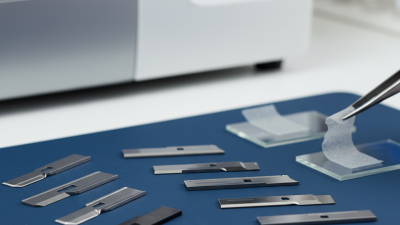
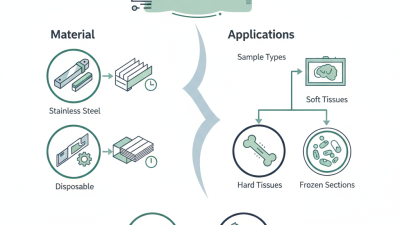
Microtome blades vary in types and materials, each suited for specific applications. Stainless steel blades offer durability and can be sharpened, while disposable blades provide convenience and consistency. According to industry reports, nearly 70% of labs prefer disposable blades due to ease of use and reduced maintenance.
However, selecting the best microtome blade requires careful consideration of factors like tissue type and desired thickness. Failing to match blade specifications with application needs can lead to poor sample preparation. Evaluating these options thoroughly reflects an understanding of histological processes and enhances the overall research quality.
Understanding Microtome Blades: Types and Specifications
Choosing the right microtome blade is crucial for achieving high-quality tissue sections. Microtome blades come in various types and specifications, each suited to specific applications. For instance, stainless steel blades are popular for their durability and cost-effectiveness. They are ideal for routine histology tasks. On the other hand, disposable blades made from high-carbon steel provide sharper edges, which may benefit specialized procedures.
Different applications require different blade specifications. For example, a blade’s thickness and angle can significantly affect sectioning performance. A study published in the Journal of Histotechnology highlights that a blade's cutting angle can impact sample integrity and section uniformity. Blades with a steeper angle tend to offer cleaner cuts. However, they can be less forgiving if the microtome settings are not dialed in correctly.
Understanding these nuances is essential. While it may seem easy to select a microtome blade, one must consider the sample type, desired thickness, and the microtome's specifications. Inconsistent sectioning can lead to poor staining and unreliable results. Always evaluate the trade-offs in blade choice and remain alert to how your selections impact your work. Recognizing these complexities can ultimately enhance your tissue processing outcomes.
Factors to Consider When Selecting a Microtome Blade
Choosing the right microtome blade is essential for optimal results in histology and other applications. Several critical factors should be considered when selecting a blade. Blade material, thickness, and the type of tissue being sectioned play significant roles in performance. For instance, stainless steel blades are known for their durability. However, they may not offer the precision required for ultra-thin sections.
The thickness of the blade is also crucial. Blades typically range from 100 micrometers to 500 micrometers. Thinner blades, such as those around 100 micrometers, excel with softer, more delicate samples. In contrast, thicker blades are more efficient with tougher tissues. According to a report from the National Institute of Health, improper blade selection can lead to 30% of failed sectioning tasks.
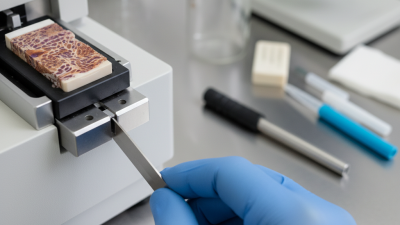
Moreover, the type of microtome can influence blade performance. Rotary microtomes usually require specific blades for optimal results. Inconsistent blade pressure and angle can lead to uneven sections. This can affect staining and visualization. Regular testing and adjustments can mitigate such issues. Proper selection and maintenance can enhance the efficiency of your microtome, ensuring high-quality histological sections.
Comparative Analysis of Microtome Blade Materials
When selecting a microtome blade, material choice plays a critical role in achieving optimal specimen preparation. Common materials include stainless steel, tungsten carbide, and diamond. Each material has unique properties that cater to different applications within histology, pathology, and industrial settings.
Stainless steel blades are widely used due to their balance of cost-effectiveness and reliability. They offer good sharpness and durability but may dull with extensive use. According to recent industry reports, around 65% of laboratories opt for stainless steel blades for routine tasks. In contrast, tungsten carbide blades provide enhanced cutting performance and longevity, albeit at a higher price point. These blades are ideal for harder tissues, where precision is paramount.
Diamond blades stand out for their unmatched sharpness and longevity. These blades can maintain their edge longer than other materials, making them a preferred choice for specialized applications. However, their significant cost and fragility can be a concern for some users. Reflecting on the appropriate choice, it’s essential to evaluate specific needs. Factors like sample type and frequency of use should guide the decision.
Maintenance Tips for Longevity of Microtome Blades
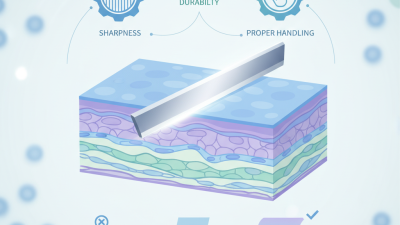
Microtome blades are critical in achieving precise sectioning in histology and pathology. However, their longevity often depends on how well they are maintained. Proper care extends the life of these tools, which is essential considering studies show that dull blades can produce up to 30% more artifacts in tissue sections. This could significantly impact the quality of the samples, leading to potential misdiagnosis.
Regular cleaning is a fundamental practice. After each use, meticulously clean the blade with a soft cloth to remove any tissue remnants. Additionally, consider using a suitable cleaning solution. Frequent sterilization can help maintain the blade’s sharpness and prevent contamination. Not all blades are equal, and appropriate handling is crucial. Always store blades in their designated cases to avoid damage and exposure to humidity, which can affect performance.
Sharpening microtome blades is an area where users often overlook essential details. While some may assume that any sharpening method is adequate, this is not the case. Improper sharpening can alter the angle and effectiveness of the blade. Users should educate themselves on the correct techniques. Furthermore, keeping a log of blade usage can highlight the intervals when sharpening or replacement is needed. Regular assessment of blade condition leads to better performance and less frustration in the lab.
Common Applications of Microtome Blades in Laboratories
Microtome blades are crucial for precise tissue slicing in laboratories. Their applications span various fields, including histology, pathology, and research. In histology, for instance, a microtome blade can produce ultra-thin sections of biological tissue. These sections are essential for microscopic examination and diagnosis. A report by the National Institutes of Health indicates that high-quality blades enhance image clarity by up to 30%. This statistic underscores the importance of selecting the right blade type.
In pathology, microtome blades aid in the preparation of cancerous tissue samples. Accurate slicing is vital for effective diagnosis and treatment planning. According to a study published in the Journal of Histotechnology, improper blade selection can lead to inconsistencies in slice thickness of up to 50%. This variation can significantly impact diagnostic accuracy. Moreover, the research highlighted that training staff to use microtomes properly also plays a critical role in achieving reliable results.
Choosing the right blade is not always straightforward. Lab professionals need to consider factors such as tissue type and desired thickness. Some users report dissatisfaction with blade performance due to lack of knowledge. This highlights the need for ongoing education in blade selection and use. Understanding the nuances of microtome blades can lead to better outcomes in laboratory work.
Microtome Blade Applications in Laboratories