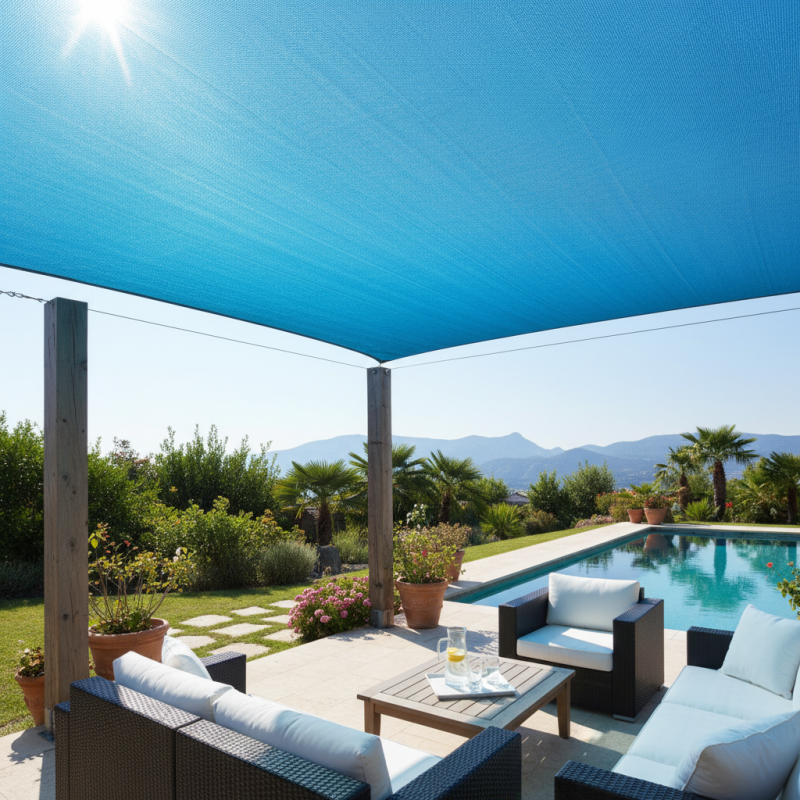
How to Choose the Best CoolBlue Shade Net for Your Needs?
Choosing the right CoolBlue Shade Net can impact your outdoor space significantly. With various types available, understanding your needs is essential. Each environment presents unique challenges. A well-selected shade net offers protection and comfort.
Considerations include material quality, UV protection level, and density. The right CoolBlue Shade Net can reduce heat and glare. However, it's important to match the net to your specific climate and usage. You may face challenges if you rush this decision.
Evaluate the nuances in your situation. Think about who will use the space and how often. A well-informed choice can enhance your outdoor experience. But remember, what works for one setting may not suit another. Take time to reflect on your options for the best results.
Understanding CoolBlue Shade Nets and Their Benefits
When considering a CoolBlue shade net, it's essential to understand its multiple benefits. These nets provide effective UV protection. They can significantly reduce heat exposure for plants, creating a more balanced environment. This results in healthier growth and increased yields. The fabric allows for ventilation while blocking harsh sunlight.
CoolBlue shade nets also come in different shade levels. Choosing the appropriate level can impact your specific needs. Consider the plants you are covering. Some might thrive under 30% shade, while others may need 50% or more. This specificity is crucial for optimal results.
The durability of the material is another point to reflect on. Nets are exposed to harsh weather conditions, so quality matters. A lower-grade net may degrade faster, leading to potential losses. Think about how you will store and maintain the net as well. Regular checks can prolong its lifespan. Choosing the right CoolBlue shade net is a process that requires careful consideration of your unique gardening conditions.
Evaluating Different Types of CoolBlue Shade Nets Available
When choosing a CoolBlue shade net, understanding the different types available is crucial. These nets vary in designs, materials, and sun protection levels. Key options include knitted and woven shade nets. Knitted nets tend to be more durable and resistant to tearing. They offer good ventilation, making them ideal for hot climates. Woven shade nets provide a tighter structure, enhancing privacy while blocking sunlight effectively.
Many consumers overlook UV rating. This rating indicates the net's ability to block harmful rays. Higher ratings mean better protection. Materials like polyethylene are common for shade nets due to their resilience. However, some may find these materials less aesthetically pleasing. It's essential to balance aesthetics and functionality when making a choice.
Another factor is installation. Some shade nets require more complicated setups than others. People often misjudge the amount of space needed for installation. Always consider the net’s size in relation to your area. Testing the flexibility of the material is also beneficial. A net that feels too stiff may not last long. Overall, take time to evaluate all aspects before deciding.
How to Choose the Best CoolBlue Shade Net for Your Needs?
Key Factors to Consider When Selecting Shade Net Size
When selecting the right shade net, size is a key factor. A well-chosen size ensures optimal coverage and serves your intended purpose. Consider the area you need to cover. Measure it carefully. A net that’s too small won’t provide adequate shade. Conversely, an oversized net can be cumbersome and harder to install.
A good tip is to think about the shape of your area. Rectangular or square gardens require different dimensions than circular or irregular spaces. Make a simple diagram. This can help visualize the fit. Remember, allow for extra material if you're securing the net with ropes or anchors.
Reflect on the height as well. The net should be positioned high enough to allow air circulation. This is important for plant health. If too low, it might trap heat, defeating the purpose. Always consider seasonal changes. Shadows shift, affecting how much shade is needed throughout the year. Pay attention to these details for better satisfaction with your choice.
Assessing UV Protection and Durability of CoolBlue Shade Nets
Choosing the right CoolBlue shade net involves a careful assessment of UV protection and durability. Research shows that shade nets can block up to 90% of harmful UV rays. This protection is vital for gardens, patios, and outdoor spaces where sun exposure can damage furniture or harm plants. The effectiveness largely depends on the fabric composition and weave density.
When it comes to durability, consider the material lifespan. High-quality shade nets last from 5 to 10 years. However, cheaper options may deteriorate within a year. Look for nets that are UV-stabilized, ensuring they resist fading and wear over time. Industry studies indicate that nets with a tensile strength rating above 1000 N/m provide the best performance against tearing and heavy winds.
Tips: Check for products that offer a warranty. This can be a sign of quality. Additionally, read customer reviews to gauge real-world performance. Don't overlook maintenance; regular cleaning can enhance longevity. Be mindful of the local climate; consistent exposure to harsh weather can shorten the lifespan of your shade net.
Comparing Price and Quality of CoolBlue Shade Nets for Best Value
When selecting a CoolBlue shade net, price and quality are key considerations. Many consumers often face the dilemma of choosing an affordable option versus investing in a higher-quality product. Cheaper nets may save money upfront but may not withstand wear and tear as well. It’s important to analyze the material and UV protection offered by different shade nets.
Quality can often vary significantly among options. A well-constructed shade net not only provides adequate protection but also lasts longer. Look for nets that include reinforced edges and sturdy grommets. Design flaws in cheaper nets can lead to rapid deterioration. Compare specifications carefully to gauge their durability.
Consumer reviews can offer valuable insights. Buyers often share real-life experiences with different products. It’s illuminating to see how various nets perform over time. Pay attention to comments about fading and fraying. Sometimes, an initially appealing price can mask low resilience. Reflecting on others’ experiences can guide you toward making a more informed choice.