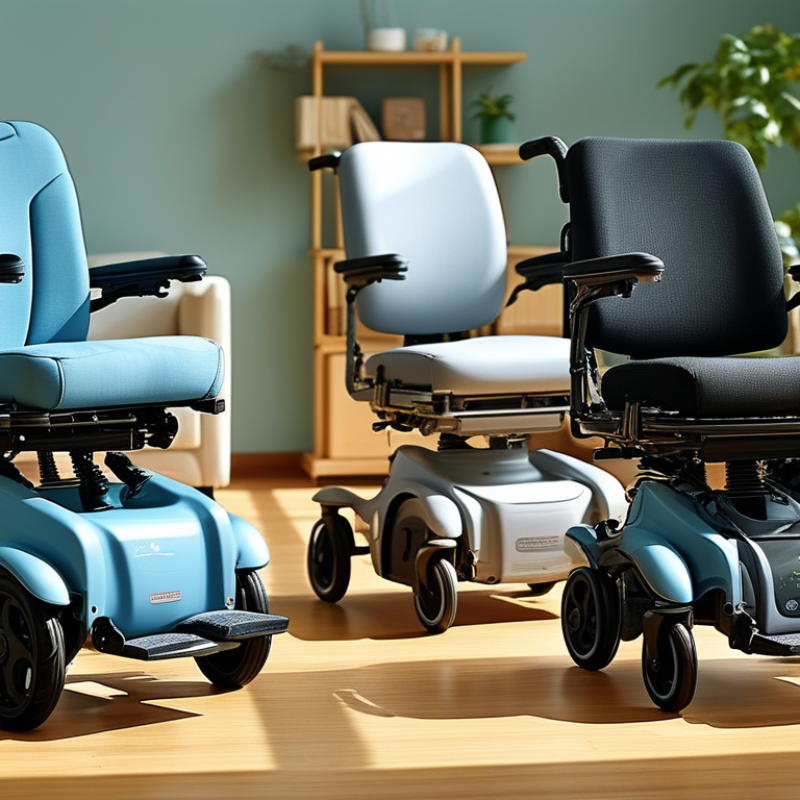
Why Choose a Medical Electric Wheelchair for Your Needs?
Choosing a Medical Electric Wheelchair can be a life-changing decision. These wheelchairs provide mobility, comfort, and independence. Many individuals facing mobility challenges have found significant benefits with electric models.
A Medical Electric Wheelchair offers various features. They are designed for easy use, enabling users to navigate both indoors and outdoors. Adjustability is also a vital feature, allowing for personalized comfort. However, not all models suit everyone's needs. Prospective users should consider their unique situations carefully.
While these wheelchairs provide mobility, they can also require a financial investment. Maintenance and repairs may pose challenges. It's essential to weigh the advantages against these concerns. Ultimately, the right Medical Electric Wheelchair can enhance quality of life, fostering independence and confidence.
Understanding the Basics of Medical Electric Wheelchairs
Understanding the basics of medical electric wheelchairs is crucial for making informed decisions. These devices offer significant mobility solutions for individuals with varying levels of independence. According to a 2022 survey by the National Mobility Equipment Dealers Association (NMEDA), about 43% of wheelchair users rely on electric models for better comfort and accessibility.
Medical electric wheelchairs vary in design and functionality. Many feature adjustable seating, customizable controls, and powered tilt systems. These aspects assist users in performing daily activities with ease. A study published in the Journal of Rehabilitation Research reported that 78% of users feel more confident in social situations when using electric wheelchairs. However, selecting the right model can be challenging due to the wide range of options available.
Durability and reliability are also important considerations. Electric wheelchairs typically have weight limits and battery life that vary by design. Users must be aware of these factors to avoid potential issues. A poorly chosen wheelchair can lead to safety concerns and reduced mobility. Ultimately, ensuring that your choice aligns with your unique needs requires careful research and consideration.
Benefits of Medical Electric Wheelchairs
Key Features of Medical Electric Wheelchairs
When considering medical electric wheelchairs, several key features stand out. Firstly, maneuverability is crucial. Many models have a small turning radius, making them ideal for tight spaces. A 2022 industry report indicated that over 70% of users prefer compact designs for easier navigation indoors.
Comfort is another important aspect. Ergonomic seating with adjustable backrests and armrests can significantly enhance user experience. Personalized settings accommodate various body types, supporting longer use periods without discomfort.
Another vital feature is the battery life. Research shows that a reliable electric wheelchair should provide a range of at least 15 miles per charge. Users require consistency for daily activities. Some wheelchairs now offer quick-charge technology, allowing for less downtime.
Additionally, stability is paramount. Wheelchairs equipped with anti-tip measures ensure safety on inclines, especially for users with limited mobility. Yet, users should be cautious. Not all models offer the same reliability, and some may require frequent maintenance.
Incorporating tech features is becoming increasingly common. Advanced options like joystick control or mobile app integration enhance usability. However, a
2021 survey revealed that many users find tech features overwhelming. It's essential for manufacturers to simplify these systems while maintaining functionality. Every user has unique needs. Therefore, assessing these critical features can lead to more informed choices, ultimately improving independence and quality of life.
Benefits of Using a Medical Electric Wheelchair
Using a medical electric wheelchair can significantly enhance mobility and independence for those with mobility issues. These advanced wheelchairs are designed with various features that cater to individual needs. For instance, they often come with adjustable seating, allowing for greater comfort during long periods of use. This makes it easier to navigate daily activities.
One of the notable benefits is the ease of operation. Electric wheelchairs utilize simple controls, making them accessible to users regardless of their physical strength or skill level. This user-friendly design empowers individuals to move freely in their environment. However, it’s essential to be cautious. Users must familiarize themselves with their chair's features to avoid accidents or mishaps.
Additionally, medical electric wheelchairs offer crucial support for overall health. They reduce physical strain and can prevent pressure sores, which are common for those with limited mobility. Yet, not all models provide adequate comfort or support. It’s vital to assess individual needs and consult experts before making a decision.
Factors to Consider When Choosing a Medical Electric Wheelchair
Choosing a medical electric wheelchair involves several critical factors. First, consider the wheelchair's weight capacity. Assess whether it can comfortably support your body weight. A chair that is too small or too large can be uncomfortable. Look for adjustable features that cater to individual needs. Customization often enhances comfort and usability.
Next, think about the terrain where you will frequently use the wheelchair. Some models are best suited for indoor use, while others can handle rough outdoor surfaces. Examine the wheelchair's battery life. You want one that can sustain longer trips without requiring constant recharging. A reliable battery can greatly improve your mobility and independence.
Don't forget to evaluate the available safety features. These include seatbelts, anti-tip wheels, and braking systems. While many options claim to be safe, not all live up to expectations. Research connecting with other users can provide genuine insights. Sometimes, a product that seems ideal may not work for you in real contexts. It’s important to have a practical approach when selecting a wheelchair for your lifestyle.
Comparing Medical Electric Wheelchairs to Manual Options
When comparing medical electric wheelchairs to manual options, several key factors emerge. Electric wheelchairs offer enhanced mobility for users with limited upper body strength. According to a study published in the Journal of Rehabilitation Research and Development, electric wheelchairs can decrease the physical strain on users by up to 50%. This reduction in effort can lead to a higher quality of life for individuals with mobility challenges.
Manual wheelchairs require significant upper body strength and stamina, which can be a barrier for many users. Approximately 30% of people using manual wheelchairs report experiencing fatigue after short distances. This fatigue can limit their independence and frequency of outings. In contrast, electric wheelchairs enable users to travel longer distances with less physical exertion, promoting greater independence.
However, electric models often come with higher upfront costs. Maintenance and repair costs can also add up. Users must weigh these financial considerations against the benefits of improved mobility and reduced effort. Personal preferences and lifestyle will significantly impact this choice. Decisions regarding wheelchair options should involve thorough discussions with healthcare providers to ensure the best fit for individual needs.