How to Choose a Refurbished Microtome for Your Lab Needs?
Selecting the right refurbished microtome for your lab can be a daunting task. According to Dr. Emily Johnson, a leading expert in laboratory equipment, "Understanding your specific needs is key when choosing a refurbished microtome." This underscores the importance of knowing your lab's requirements before making a purchase.
A refurbished microtome must fit your research goals. Consider factors like cutting accuracy and ease of use. Many refurbished models can perform as well as new ones if properly maintained. However, buyers should be cautious. Not all refurbished units are created equal.
Look for reputable vendors who offer thorough inspections and warranties. This guarantees you are investing in quality. Remember, while you may find an attractive price, it’s essential to evaluate the equipment condition. A slight oversight can lead to unnecessary frustrations in your lab work.
Understanding the Basics of Microtomes and Their Functions
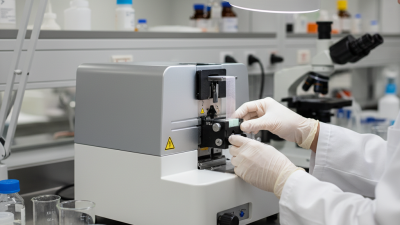
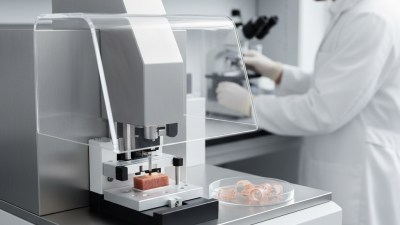
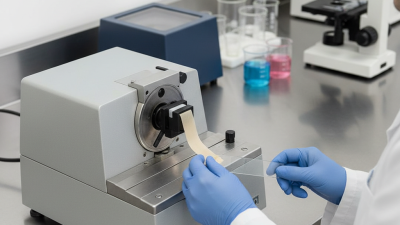
Microtomes are essential instruments in histology, allowing precise tissue sectioning. Their primary function is to slice biological specimens into thin sections for microscopic examination. Understanding their operation is vital. A microtome offers a range of thickness settings, usually from 1 to 100 micrometers. This versatility caters to various research needs.
Precision is key in microtomy. A study highlighted that consistent section thickness affects staining quality and overall analysis. Thin sections, ideally between 5 to 10 micrometers, enhance visibility. Overly thick sections can obscure details and lead to misinterpretations. Regular maintenance of the blade is crucial. Worn blades can produce uneven sections, leading to frustration during analysis.
**Tip:** Always check blade sharpness before use. This small step saves time and improves outcomes.
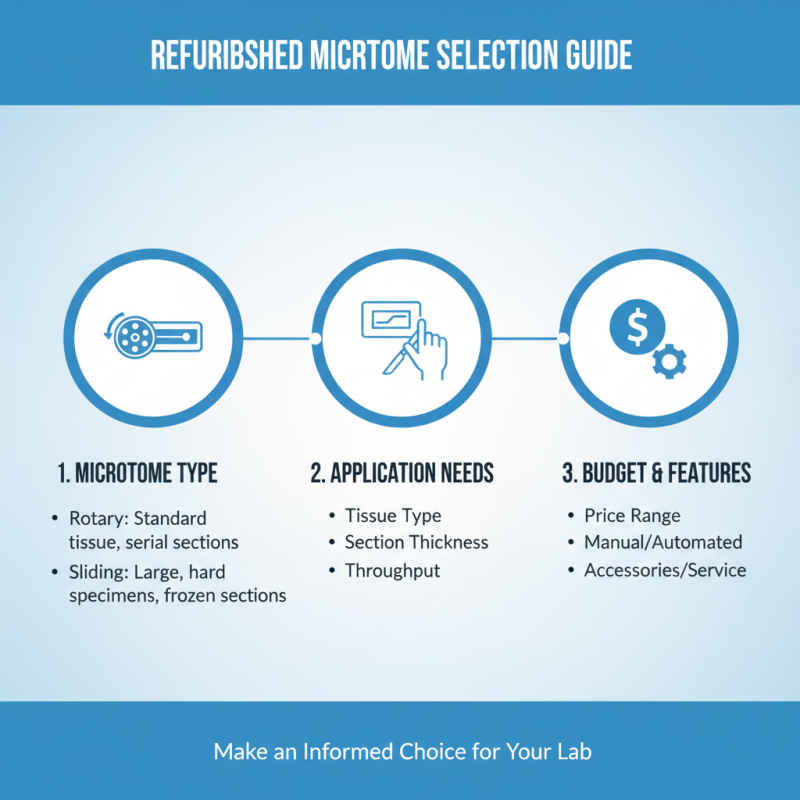
Choosing the right microtome involves considering your lab's specific applications. Some models are well-suited for soft tissues, while others excel with tougher specimens. Microtomes can be manual or automatic, each with trade-offs in precision and cost. Assessing your lab’s volume of work aligns with your selection.
**Tip:** Analyze your lab's typical specimen types. This helps narrow your choices. Balancing cost with functionality is not always straightforward. What fits best today may need revisiting tomorrow.
Microtome Types and Their Features
This bar chart illustrates the cutting speeds of different types of microtomes commonly used in laboratories. The cutting speed is an important consideration when choosing a microtome suitable for specific lab needs.
Evaluating the Reliability and Quality of Refurbished Equipment
When selecting a refurbished microtome, reliability is crucial. Check the equipment's history. Look for details on past usage, maintenance records, and repairs. A well-documented history often means better performance. Inspect replacement parts. Genuine parts ensure the equipment functions effectively. Avoid models with frequent part replacements, as they indicate underlying issues.
Quality matters. Analyze the microtome’s cutting mechanism. It should demonstrate precision and durability. Ask for sample cuts from the supplier. This can reveal potential problems. Observe the microtome’s condition. Scratches or rust may indicate poor maintenance. Consider the supplier’s reputation too. A reliable supplier often has good customer feedback.
Don’t forget about support. Ask about warranties or return policies. A solid return policy shows confidence in the product. Yet, reflect on your lab's specific needs. Not every refurbished model will fit perfectly. Take time to assess how much use the microtome will get. Ultimately, a thoughtfully chosen microtome can enhance your lab’s efficiency. Make informed decisions before committing.
Assessing Cost vs. Performance in Refurbished Microtomes
When selecting a refurbished microtome, cost and performance are critical factors. Refurbished machines often present a cost-effective solution. However, the price does not always guarantee quality. It's essential to examine the condition and history of the equipment. A well-maintained microtome may perform better than a cheaper alternative that has not been properly refurbished.
Carefully compare different models and their specifications. Look for features that suit your specific laboratory needs. For example, some microtomes have advanced cutting capabilities. Consider how often you need those features versus your budget constraints. Online reviews and user feedback can offer valuable insights. But, remember that experiences vary widely.
Evaluate the warranty policy of the refurbished unit. A warranty can indicate the refurbisher's confidence in the equipment. However, a longer warranty doesn't mean it’s foolproof. Sometimes, shorter warranties can reflect a more thorough, realistic refurbishment. Stay vigilant and ask questions. It’s your responsibility to ensure that the choice you make aligns with both your budget and performance expectations.
How to Choose a Refurbished Microtome for Your Lab Needs? - Assessing Cost vs. Performance in Refurbished Microtomes
| Model |
Price ($) |
Performance Rating |
Cutting Thickness Range (µm) |
Warranty (Years) |
| Microtome A |
4500 |
4.5 |
1 - 50 |
1 |
| Microtome B |
3700 |
4.0 |
2 - 60 |
2 |
| Microtome C |
5200 |
4.8 |
1 - 100 |
1.5 |
| Microtome D |
3900 |
4.2 |
1 - 40 |
2 |
Tips for Ensuring Proper Maintenance and Longevity of Your Microtome
Maintaining a refurbished microtome is crucial for optimal performance. Regular cleaning is a must. After every use, remove debris and tissue remnants. Use a soft brush and appropriate cleaning solutions. This prevents build-up and extends the instrument’s life.
Calibration should not be overlooked. Check the settings frequently. An improperly calibrated microtome can lead to inconsistent cuts. This affects your results. Document any adjustments. This helps in understanding patterns over time.
Routine inspections can catch small issues before they turn into major problems. Look for signs of wear, like rust or blunt blades. Investing time in these checks now saves money later. Each detail matters. Lack of attention can compromise your research projects.