How to Choose the Best Handheld Gas Monitor for Your Needs?
Choosing the right Handheld Gas Monitor can be a daunting task. The market is filled with many options, each with different features and specifications. As gas monitoring expert Dr. Emily Thompson states, "A reliable handheld gas monitor is crucial for ensuring safety in hazardous environments."
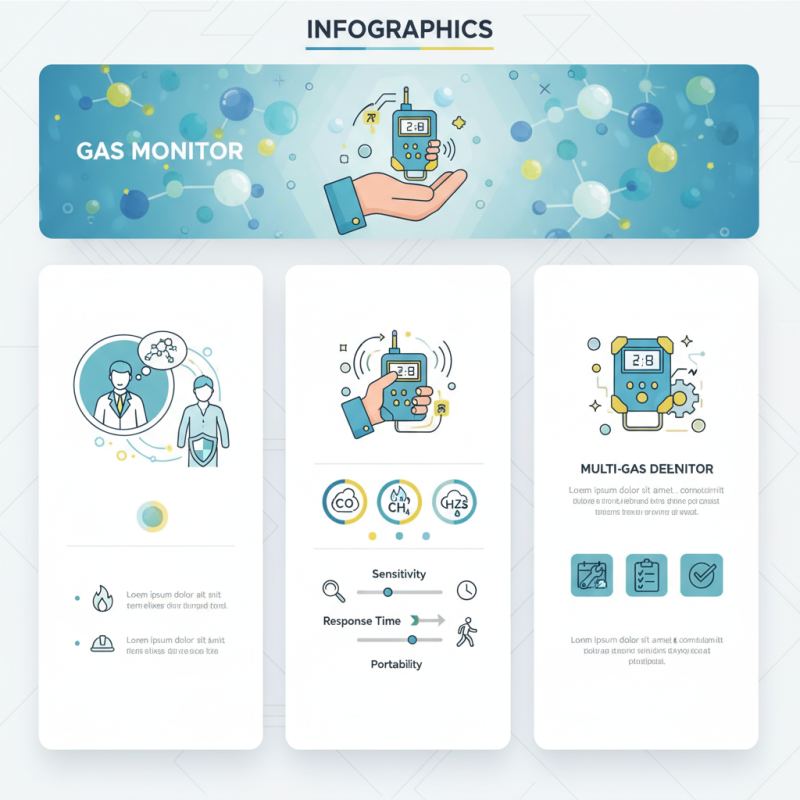
When selecting a handheld gas monitor, you must consider the specific gases you need to detect. Different monitors target various gases, including carbon monoxide, methane, and hydrogen sulfide. Each device offers unique advantages, which can complicate the decision-making process. Finding the right balance between sensitivity, response time, and portability is essential.
Additionally, it's important to evaluate the monitor's durability and battery life. In the field, reliability is non-negotiable. Users often overlook calibration needs and maintenance schedules, which can affect accuracy. Ultimately, identifying your specific requirements and understanding the features available will guide you in choosing the best handheld gas monitor for your needs.
Understanding the Importance of Handheld Gas Monitors
Handheld gas monitors are vital tools for safety in various industries. Understanding their importance starts with recognizing the dangers of gas exposure. Workers in confined spaces face risks from toxic, flammable, or asphyxiating gases. A handheld monitor can detect these gases quickly, ensuring timely responses to potential hazards.
Choosing the right monitor requires knowledge of specific gases relevant to your environment. Not all monitors are created equal. It's essential to consider detection ranges, calibration requirements, and battery life. Additionally, user-friendly interfaces can make a significant difference in emergency situations. A confusing device could lead to delays when seconds count.
In practice, not every workplace has sufficient training on these devices. Companies often underestimate the need for regular drills. Technicians may struggle when under pressure. Feedback from actual incidents should spur improvements in training and equipment. Continuous evaluation is key. Engaging with experienced professionals can enrich your understanding and application of these tools in real-world settings.
Gas Monitor Sensitivity Levels
Key Features to Consider in Handheld Gas Monitors
When choosing a handheld gas monitor, several key features should guide your decision. Sensitivity must be a top priority. Reports indicate that monitors with high sensitivity detect gases at low concentrations, which improves safety in environments with hazardous materials. Look for a model that provides real-time readings and fast response times.
Another crucial aspect is battery life. A reliable gas monitor should provide extended use without frequent recharging. Data show that models with longer battery life contribute to uninterrupted monitoring during critical tasks. Consider also the display readability. Clear, bright screens facilitate quick assessments in diverse lighting conditions.
Tips: Always check for certifications. Devices that comply with safety standards assure reliability. Regular calibration is essential. This ensures accuracy in gas detection. Finally, think about portability. Compact models are easier to carry into tight spaces, providing flexibility during various operations.
Types of Gases Measured by Handheld Gas Monitors
Handheld gas monitors are essential for detecting various gases in varied environments. They assist industries in ensuring safety. It's important to choose the right device according to the types of gases you need to measure. Common gases detected include carbon monoxide (CO), hydrogen sulfide (H₂S), methane (CH₄), and oxygen (O₂). Each gas presents unique risks and requires specific monitoring capabilities.
According to a recent report by the National Safety Council, incidents related to toxic gases account for over 50% of workplace injuries. This statistic highlights the need for effective monitoring solutions. Carbon monoxide is particularly insidious; it is colorless and odorless. Detecting it promptly can prevent severe health issues. Additionally, hydrogen sulfide, often found in industrial settings, is also highly toxic even at low concentrations.
Many monitors have specific detection ranges. Most portable devices measure gases in parts per million (ppm). Some monitors only target a single gas type, while others can detect multiple gases simultaneously. The choice depends on the environment and the associated risks. Understanding these factors is vital for making an informed decision in selecting the right handheld gas monitor for your needs.
Deciding Between Digital and Analog Gas Monitors
Choosing between digital and analog gas monitors can be challenging. Digital monitors often come with advanced features, such as data logging and real-time alerts. They provide precise measurements and can be easier to read. Their displays usually show multiple gas readings at once. However, they require batteries or charging, which can be inconvenient during long fieldwork.
On the other hand, analog monitors are typically more straightforward. They often have a simple dial for readings, which can be beneficial in high-stress situations. Their reliability is noteworthy; you don’t have to worry about battery life. But, they may not provide the same level of detail as digital counterparts. Understanding these differences is crucial, especially under crucial safety conditions.
Ultimately, the best choice depends on your specific needs. Consider your working environment and how the monitor will be used. Often, users overlook the importance of user-friendliness in critical situations. Reflecting on your team’s experience with technology is essential. Do you prefer real-time data or straightforward readings? Balancing these factors is key to making an informed decision.
Budget Considerations for Handheld Gas Monitors
When choosing a handheld gas monitor, budget considerations are key. Many models provide decent reliability and sensitivity without breaking the bank. Price variation often stems from features and capabilities. More advanced monitors come with additional sensors or longer battery life, impacting the overall cost.
However, a higher price does not always guarantee better performance. It's crucial to assess your specific needs first. For example, if your tasks require basic gas detection, a simpler model may suffice. Creating a budget based on actual requirements can help narrow down options effectively. Don't forget to factor in additional costs, such as calibration and maintenance.
While many affordable options exist, be cautious of models that appear too cheap. They may compromise on quality and durability. Always prioritize long-term reliability over initial savings. Aim for a balance between cost and performance to ensure your gas monitor truly meets your needs. Remember, investing wisely now can save you more in the future.