
Refurbished Pathology Equipment
How to Choose Body Sculpture Equipment in 2026?
Choosing Body Sculpture equipment in 2026 requires more than comparing prices, power ratings, or attractive product images. Clinics and studios must examine safety, treatment goals, operator training, maintenance requirements, and client comfort. A device can look advanced yet perform poorly in daily practice. That difference matters.
Begin with the intended service. Is the equipment designed for body contouring, skin tightening, muscle stimulation, or another non-invasive application? Each purpose requires different technologies, settings, treatment areas, and client screening procedures. Look for documented testing, transparent manufacturer information, warranty coverage, and clear operating instructions. Independent clinical evidence is valuable, although marketing claims often sound stronger than the available research.
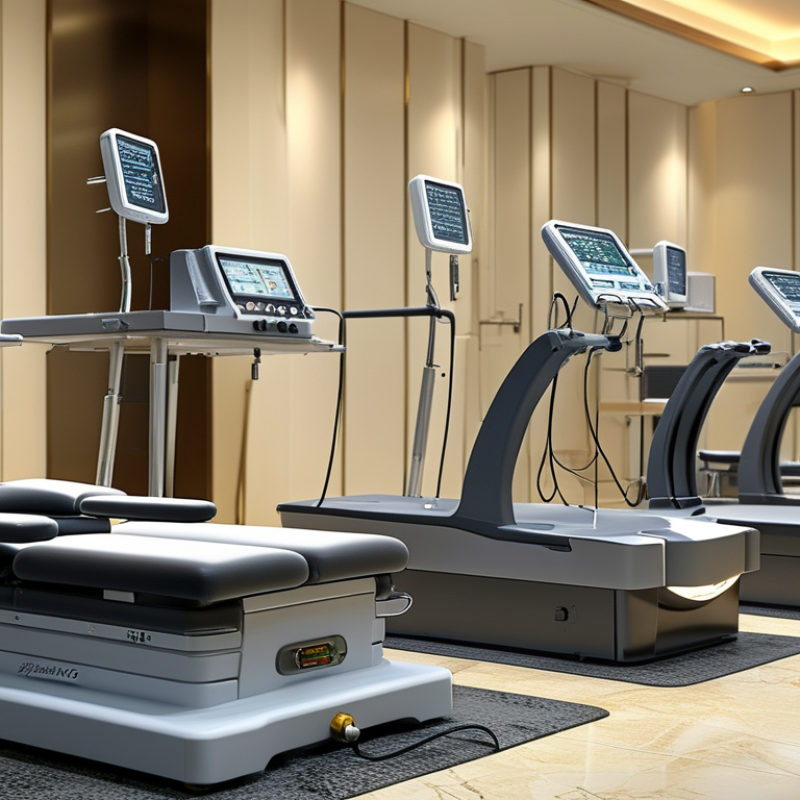
Think about the treatment room itself. A heavy platform may need reinforced flooring and careful positioning. Handpieces should feel balanced during a thirty-minute session. Cooling systems should operate quietly, while displays must remain readable under bright clinical lights. Small details influence workflow, training, and client confidence.
Experience also reveals weaknesses that brochures rarely mention. Some systems require frequent calibration, replacement parts, or lengthy cleaning between appointments. Others may offer impressive features that staff seldom use. This is where honest evaluation becomes important. No single machine suits every business or every body type. Results can vary, and realistic communication protects trust.
Qualified professionals should assess clients and follow applicable safety guidance. Equipment should be selected according to evidence, authorized use, and the provider’s capabilities. The best investment is not always the newest model. It is the system that can be used consistently, responsibly, and effectively in real-world conditions. Pay attention to the details. They often determine the outcome.
Understanding Body Sculpture Equipment and Its Main Technologies
How to Choose Body Sculpture Equipment in 2026?
Understanding Body Sculpture Equipment and Its Main Technologies
Body sculpture equipment uses controlled energy to influence fat tissue, muscle activity, or skin appearance. Common technologies include radiofrequency, focused ultrasound, controlled cooling, and electrical muscle stimulation. Each method works differently. Results vary.
Radiofrequency delivers heat through the skin and may support collagen remodeling. Focused ultrasound targets deeper tissue with concentrated sound energy. Controlled cooling affects selected fat cells, while electrical stimulation creates repeated muscle contractions. These technologies are not interchangeable. A qualified practitioner should match the method to body area, tissue condition, goals, and medical history.
Look beyond attractive specifications. Check published clinical evidence, operator training, treatment limits, maintenance records, and electrical safety certification. Ask how the device controls temperature, energy levels, and contact with the skin. A practical consultation should include questions about implants, pregnancy, sensitive skin, circulation problems, and previous procedures. Safety comes first.
A common mistake is choosing the strongest setting and expecting faster results. Higher energy can increase discomfort and complications without improving outcomes. I would also question dramatic before-and-after images, because lighting, posture, and timing can mislead. Equipment selection needs clinical judgment, not showroom excitement. The less obvious detail matters: clean applicators, accurate treatment records, and clear aftercare instructions often reveal professional standards. Even good equipment can disappoint when expectations, technique, or follow-up are weak.
How to Choose Body Sculpture Equipment in 2026? - Understanding Body Sculpture Equipment and Its Main Technologies
| Technology | Primary Mechanism | Typical Treatment Goals | Common Treatment Areas | Typical Session Profile | Expected Sensation | Key Selection Criteria | Evidence & Practical Considerations |
|---|---|---|---|---|---|---|---|
| Cryolipolysis | Controlled cooling targets subcutaneous fat cells while protecting the skin with appropriate applicator contact and temperature control. | Non-invasive reduction of localized, pinchable fat bulges; it is not intended for general weight loss. | Abdomen Flanks Thighs Under the chin | Usually about 35–75 minutes per applicator placement, depending on the applicator and area. Results develop gradually over several weeks. | Cold, intense pulling, pressure, tingling, and temporary numbness are common during or after treatment. | Choose equipment with accurate temperature monitoring, skin-contact sensors, suitable applicator sizes, emergency shutoff, and documented treatment protocols. | Clinical outcomes depend strongly on patient selection, applicator positioning, treatment parameters, and operator training. Rare but important delayed adverse effects should be addressed during informed consent. |
| Radiofrequency (RF) | Alternating electromagnetic energy produces controlled dermal and subdermal heating, supporting tissue tightening and, in some systems, fat-focused treatment. | Skin tightening, improvement in mild laxity, and selected body-contouring applications. | Abdomen Arms Thighs Jawline | Often 20–60 minutes per area, with a course of treatments commonly used for gradual improvement. | Progressive warmth or heat; treatment should remain tolerable and should not cause uncontrolled pain or excessive heating. | Look for real-time temperature control, uniform energy delivery, impedance or contact monitoring, insulated handpieces where appropriate, and clear contraindication guidance. | Results are generally gradual and variable. RF systems differ substantially in frequency, electrode configuration, depth, and cooling design, so specifications should not be compared by power alone. |
| Focused Ultrasound | Focused acoustic energy creates controlled thermal zones at selected depths beneath the skin. | Localized contouring and, in some applications, treatment of lax tissue or subcutaneous fat. | Abdomen Flanks Thighs Submental area | Commonly 30–90 minutes, depending on treatment area, number of lines or pulses, and energy settings. | Localized heat, prickling, vibration, or brief sharp sensations may occur during energy delivery. | Evaluate depth options, energy calibration, coupling quality, treatment mapping, pulse control, and safeguards against treating unsuitable tissue or bony areas. | Outcomes vary with tissue thickness and treatment parameters. Accurate coupling and appropriate depth selection are essential for both safety and consistency. |
| Low-Level Light Therapy | Low-intensity visible or near-infrared light is applied to the skin without significant heating; proposed effects involve cellular photobiomodulation. | Temporary cosmetic improvement in body circumference or appearance as part of a broader treatment program. | Waist Hips Thighs Arms | Usually 15–40 minutes, often repeated over multiple sessions because the treatment is non-thermal and gradual. | Little to no sensation; mild warmth or skin redness may occasionally occur. | Check wavelength range, optical output, treatment distance, dose consistency, eye protection, coverage area, and automatic session timing. | Evidence and treatment response can be variable. It should be positioned as a modest, non-invasive option rather than a substitute for weight management or surgery. |
| Electromagnetic Muscle Stimulation | Time-varying electromagnetic fields induce electrical currents that produce repeated involuntary muscle contractions. | Muscle stimulation, improved muscle firmness, and contour enhancement in selected areas. | Abdomen Buttocks Arms Calves | Often about 20–30 minutes per session, generally delivered as a series of treatments. | Strong rhythmic contractions that should be adjustable and tolerable; post-session muscle fatigue may occur. | Prioritize adjustable intensity, applicator stability, cooling or heat management, emergency stop controls, and screening for implanted electronic devices. | It is not equivalent to voluntary resistance training and does not replace exercise. Patient screening is essential because electromagnetic stimulation may be unsuitable for some implants and medical conditions. |
| Electrical Muscle Stimulation | Surface electrodes deliver controlled electrical pulses through the skin to stimulate motor nerves and muscles. | Muscle activation, rehabilitation-oriented support, and selected cosmetic toning programs. | Abdomen Glutes Thighs Arms | Usually 20–45 minutes; treatment duration depends on the number of channels, muscle group, and programmed waveform. | Tingling followed by rhythmic muscle contractions; intensity should increase gradually. | Assess waveform options, independent channel control, electrode quality, skin-contact detection, hygiene procedures, and preset customization. | Electrical stimulation is generally localized and parameter-sensitive. Correct electrode placement and contraindication screening are necessary to reduce discomfort and unwanted muscle activation. |
| Mechanical Vacuum Massage | Negative pressure and mechanical rollers or massage heads mobilize superficial tissue and temporarily improve circulation and the appearance of skin texture. | Temporary smoothing, massage, lymphatic-support protocols, and appearance-focused cellulite management. | Thighs Hips Buttocks Arms | Commonly 20–60 minutes, with pressure and movement adjusted to the treatment area and skin tolerance. | Pulling, rolling, pressure, and mild tenderness; bruising may occur if suction or mechanical force is excessive. | Choose adjustable vacuum levels, smooth pressure transitions, replaceable or disinfectable contact components, and controls that prevent excessive suction. | Visible effects are often temporary and may depend on hydration, circulation, and repeated treatment. It should not be presented as permanent fat removal. |
| Shockwave or Radial Acoustic Wave | Rapid pressure waves or acoustic pulses are transmitted into superficial tissue to create mechanical stimulation. | Body-contouring support, skin-texture improvement, and appearance-focused cellulite programs. | Thighs Buttocks Hips | Often 15–30 minutes per area, commonly repeated at intervals defined by the treatment protocol. | Repeated tapping or pulsing, with possible temporary redness, tenderness, or bruising. | Compare adjustable pressure or energy, pulse frequency, applicator ergonomics, treatment documentation, and safeguards for sensitive or vascular areas. | Outcomes are protocol-dependent and may be more relevant to skin texture than to substantial fat-volume reduction. Avoid overstating the technology as a weight-loss solution. |
| Laser or Light-Based Lipolysis | Specific light energy is delivered to tissue to create a controlled photothermal effect or a low-level photobiomodulation effect, depending on the system. | Selected non-invasive contouring or skin-appearance applications. | Abdomen Flanks Thighs Submental area | Usually 20–60 minutes; the number of sessions depends on wavelength, output, treatment area, and clinical protocol. | Minimal warmth for low-level systems; stronger thermal systems may feel warm and require active temperature control. | Verify wavelength, irradiance, beam uniformity, skin-contact or distance control, eye protection, thermal monitoring, and regulatory status for the intended indication. | Different light-based systems are not interchangeable. Results and safety depend on wavelength, dose, skin type, treatment distance, and accurate adherence to the intended use. |
| Combination Platforms | Two or more modalities, such as RF with vacuum, RF with muscle stimulation, or light with mechanical massage, are integrated into one platform. | Multi-step body-contouring programs addressing tissue warmth, muscle stimulation, massage, skin appearance, or localized fat concerns. | Abdomen Flanks Thighs Buttocks | Approximately 30–90 minutes, depending on the sequence, number of modalities, and treatment area. | Combined sensations may include warmth, suction, vibration, tingling, or muscle contractions. | Confirm that each modality can be controlled independently, treatment parameters are transparent, safety interlocks are present, and cleaning procedures are practical. | Combination treatment is not automatically more effective. The clinical value depends on whether the combined energies are appropriate, compatible, and supported by a clear protocol. |
Selection note: Body-sculpting equipment should be chosen according to the intended indication, patient screening requirements, treatment area, operator training, device documentation, maintenance support, and applicable local regulations. Non-invasive contouring procedures are not substitutes for nutrition, exercise, or medically indicated treatment.
