How to Choose an Eco-Friendly Electric Bike for Your Needs?
As the popularity of the Eco-Friendly Electric Bike rises, so does the demand for informed choices. According to the International Energy Agency, electric bike sales soared 44% in 2020, indicating a clear shift toward sustainable transportation. This shift reflects a growing consciousness around environmental issues. Urban commuters seek efficient alternatives to traditional vehicles, making electric bikes increasingly appealing.
Choosing an Eco-Friendly Electric Bike that meets your needs can be overwhelming. Various factors must be considered, such as range, battery life, and frame materials. Recent studies show that an estimated 60% of consumers prioritize sustainability when selecting an electric bike. However, many manufacturers do not transparently disclose their production practices. This lack of clarity can lead to confusion among consumers.
Understanding eco-friendly features is vital. Not all electric bikes are created equal. Considerations like recyclable materials and energy-efficient manufacturing processes play a significant role in the bike's overall environmental impact. Reflecting on these aspects can help you make a more informed choice that aligns with your values and supports a greener future.
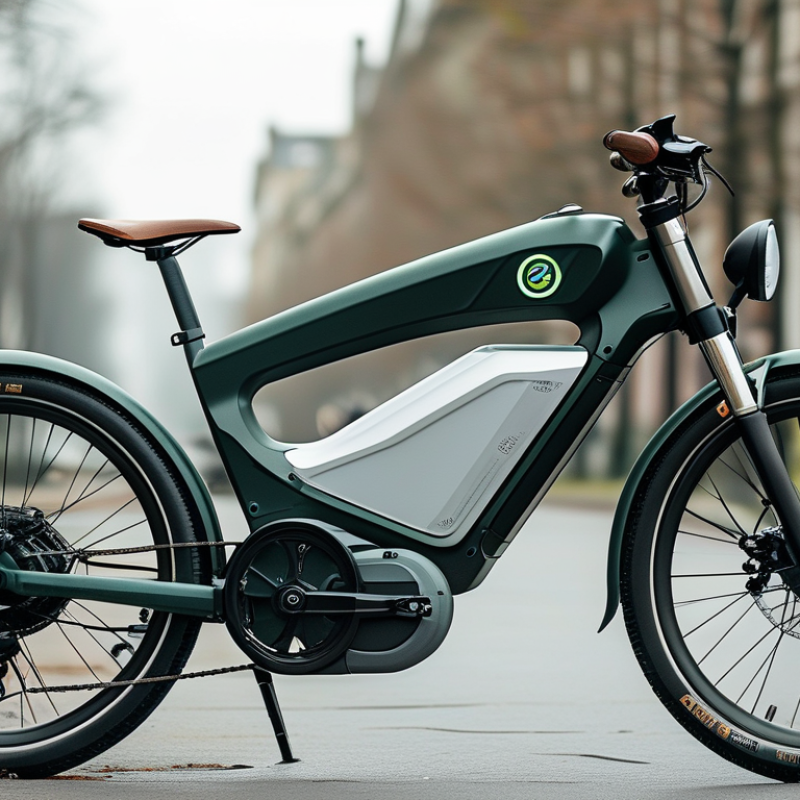
Understanding the Benefits of Eco-Friendly Electric Bikes
Eco-friendly electric bikes are transforming urban transportation. They reduce carbon emissions significantly. Reports indicate that e-bikes can lower individual carbon footprints by up to 50%. Switching from a car to an e-bike is a practical choice for many.
When choosing an e-bike, consider the range. Most e-bikes offer 20 to 60 miles on a single charge. Your daily commute may determine what range you need. Picking bikes with higher battery capacities may be an option. However, heavier batteries can impact performance.
Tips for selecting the right e-bike include test riding several models. Feel the comfort and control firsthand. Pay attention to the weight; a lighter bike is easier to handle. Check online reviews to gauge other users’ experiences. Seek features that enhance efficiency. Remember, durability may be just as crucial as eco-friendliness.
Comparative Analysis of Electric Bike Benefits
Key Features to Consider When Choosing an Electric Bike
Choosing an eco-friendly electric bike involves several key features. Battery capacity is crucial. A higher capacity means longer rides without recharging. Look for models with lithium batteries. They are efficient and lightweight.
Consider the bike's weight. Lighter frames are easier to handle, especially when riding uphill. This is important for urban commuting or recreational use. Check the materials used in the bike's construction. Aluminum frames are often a good choice for their balance of strength and weight.
Don’t forget about range. Assess how far you typically travel. An electric bike with a range of 30 to 50 miles may be suitable for many riders. This can prevent mid-ride disappointments. Look into pedal-assist options as well. They provide flexibility and can make your ride more enjoyable. Reflect on your own needs and how often you’ll ride. The right features can enhance your experience while supporting a sustainable lifestyle.
Assessing Your Riding Needs and Environment for Bike Selection
When choosing an eco-friendly electric bike, understanding your riding needs is crucial. Consider the typical terrain you will navigate. Will you ride on city roads, rough trails, or hills? Each environment demands a different bike style. For urban areas, a lightweight design is preferable. For off-road adventures, sturdy frames and wider tires are essential. Choosing the right type can enhance your overall experience.
Reflect on the distance you usually travel. Short commutes may not require a high-capacity battery. A smaller battery can save weight and cost. Longer rides might demand a bike with a larger battery to avoid frequent charging. Think about whether you’ll need extra features like racks or fenders. Sometimes, the best choice isn't the most popular one but what genuinely fits your lifestyle.
It’s also important to evaluate climate conditions in your area. Rain, snow, or heat can affect your bike's performance and durability. Not all bikes handle weather well. You may need to prioritize materials that resist rust or damage. Establishing these parameters fosters a more informed decision, leading to a better fit for your eco-friendly commuting needs. Don't overlook your personal comfort on the bike; it's a critical factor in your riding pleasure.
Comparing Eco-Friendly Brands and Models in the Market
When considering eco-friendly electric bikes, understanding the market's offerings is essential. Research shows that in 2022, the global electric bike market reached approximately $23.9 billion. This figure is projected to grow by 8.4% annually by 2030. Clearly, the demand for sustainability is rising.
Many brands focus on reducing carbon footprints. A common feature to look for is the type of battery used. Lithium-ion batteries dominate due to their efficiency and longevity. However, some brands offer alternatives to address recycling concerns. Evaluating eco-friendliness also involves assessing the manufacturing process. Companies dedicated to sustainable practices often provide transparency about their supply chains and production methods.
Cost is also a factor in your choice. While some eco-friendly models have higher upfront costs, they may save money long-term. Studies indicate that riders can save up to $2,000 annually by replacing traditional vehicles with electric bikes. Riders should balance initial expenses with the long-term benefits of choosing green options. Finding an eco-friendly bike requires careful consideration of various aspects beyond just price and performance. It’s essential to reflect on what sustainability means for your personal needs.
Evaluating Cost vs. Long-Term Savings on an Electric Bike
When considering an eco-friendly electric bike, evaluating cost versus long-term savings is crucial. A recent report from the Electric Bike Company shows that the average electric bike can save a rider about $600 annually on transportation costs. This includes savings on gas, maintenance, and insurance. Additionally, in urban areas, time savings from reduced traffic can equal out to thousands of hours over the bike's lifespan.
The initial investment of an electric bike generally ranges from $800 to $3,000. While this price may seem steep, studies indicate that users can recoup costs within two to four years, depending on usage patterns. For instance, commuting five days a week can accelerate savings, given that fewer expenses arise from parking fees or vehicle upkeep. A study by the Institute for Transportation and Development Policy points out that electric bike users typically travel more, leading to higher savings and healthier lifestyle choices.
It's important to consider factors like battery life and charging costs. The average cost per full charge is around $0.10, translating to less than $30 per year for daily commuters. Weight, style, and features also impact how riders perceive value. If a bike is uncomfortable, it may sit unused, counteracting potential savings. Reflecting on these details helps to ensure that your choice aligns with your long-term financial and ecological goals.