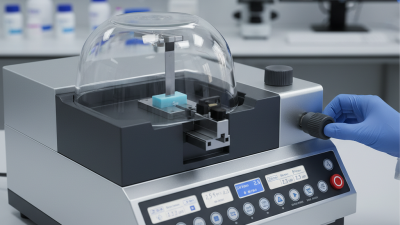
What Is the Best Thermo Fisher Microtome?

Choosing the best microtome thermo fisher model is not a simple matter of brand recognition. It depends on specimen type, section thickness, workload, operator experience, and service support. A routine histology laboratory may value smooth rotary motion, while a research facility may prioritize reproducibility across fragile or dense samples. The best choice is therefore practical, not universal.

Industry data supports this careful approach. MarketsandMarkets’ Microtome Market reports segment demand by product type, application, and end user, highlighting the importance of workflow-specific selection. Grand View Research’s histopathology industry analyses also identify expanding laboratory automation, rising biopsy volumes, and stronger quality-control expectations as major market influences. These trends make precision valuable, but they do not make every Thermo Fisher instrument equally suitable.

On a real bench, details matter. A stable handwheel, clear thickness settings, reliable blade clamps, and accessible maintenance can affect an entire day’s output. Thermo Scientific models such as the HM 340E and HM 355S should be compared through specifications, demonstrations, user feedback, and local technical support. ISO 15189 principles also encourage documented competence, equipment control, and traceable quality practices. Performance can vary with embedding medium and operator technique. That point is often underestimated. A costly microtome may still produce uneven ribbons if trimming, blade condition, or block cooling is poorly controlled. This guide evaluates practical performance, safety features, ergonomics, and ownership considerations, while acknowledging one limitation: published specifications cannot fully predict daily laboratory experience.
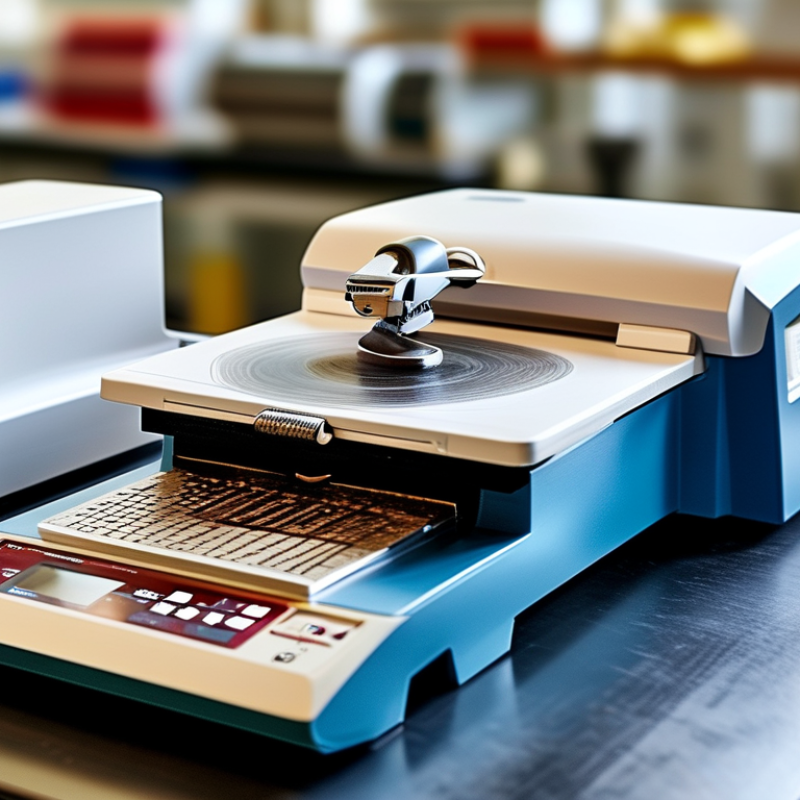
What Is the Best Thermo Fisher Microtome?

Thermo Fisher Microtome Product Categories and Core Functions

What Is the Best Laboratory Microtome?

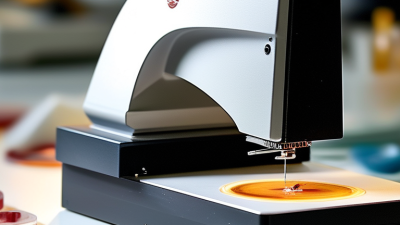
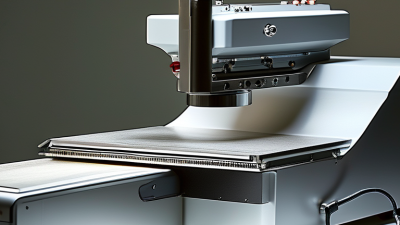
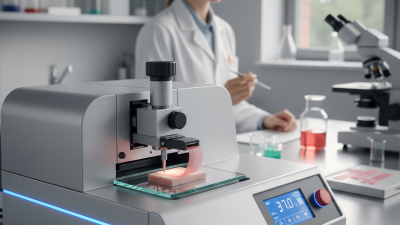
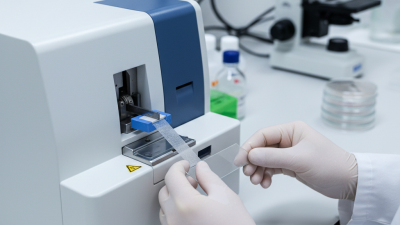
Microtomes are divided by specimen type, cutting temperature, and required section thickness. Rotary microtomes handle routine paraffin blocks in histology laboratories. They produce thin, repeated sections for staining and microscopic review. Cryostats cut frozen tissue at controlled subzero temperatures. This supports urgent diagnosis and lipid-sensitive samples. Ultramicrotomes create extremely thin sections for electron microscopy. Vibrating-blade systems preserve larger, softer specimens with less compression.

Each category performs a different core function. A rotary unit needs stable specimen clamping, smooth handwheel movement, and accurate thickness control. A cryostat depends on temperature stability, chamber visibility, and safe blade positioning. Ultramicrotomes require exceptional mechanical precision. Small vibrations can distort sections. In practice, cutting quality often depends on operator training, block preparation, and blade condition.

The demand is substantial. The International Agency for Research on Cancer reported about 20 million new cancer cases worldwide in 2022. That volume increases pressure on tissue-processing and diagnostic workflows. Grand View Research estimated the global microtome market at roughly USD 150 million in 2023, with continued growth expected through the decade. These figures describe market activity, not guaranteed performance. A costly instrument may still produce poor sections in inexperienced hands. That is the uncomfortable part. Selection should match specimen volume, section thickness, workflow speed, and maintenance capability rather than appearance alone.

Key Factors for Choosing the Best Thermo Fisher Microtome

Choosing the best laboratory microtome requires more than comparing speed or price. Start with section quality. A stable handwheel, precise thickness control, and low vibration help produce even ribbons. This matters when laboratories process high volumes. The World Health Organization’s Global Cancer Observatory estimated 20 million new cancer cases worldwide in 2022. More diagnostic samples increase pressure on histology teams.

Consider workflow, not specifications alone. A semi-automated model may suit routine paraffin work, while a fully automated system can reduce repetitive strain. Check cutting thickness, blade compatibility, specimen size, waste control, and cleaning access. ISO 15189 emphasizes competence, equipment management, and traceable laboratory processes. Therefore, service records and operator training deserve equal attention. A powerful instrument still fails when staff cannot maintain it. That is easy to forget.

Tips: Ask for a live demonstration using your own tissue blocks. Measure ribbon continuity, section thickness, noise, and cleanup time. Review independent laboratory reports, warranty terms, and maintenance response times. Do not trust one impressive demo. Compare at least three workflows. I would not chase the fastest model. Consistency is usually more valuable than speed, although that judgment may change with workload. Grand View Research identifies automation and workflow efficiency as major trends in the histopathology equipment market. Still, local conditions matter more than a market forecast. Choose the instrument that operators can use accurately, safely, and repeatedly.

Comparison of Manual, Semi-Automatic, and Fully Automatic Models

Choosing the best laboratory microtome depends on workload, specimen type, operator skill, and budget. Manual models offer direct control over the handwheel and feed mechanism. They suit small laboratories, teaching rooms, and occasional sectioning. Experienced users can adjust pressure and cutting rhythm with impressive sensitivity. However, hand fatigue can affect consistency during long batches. Small errors become visible under the microscope.

Semi-automatic models reduce repetitive feeding while preserving manual control of cutting speed. This balance often suits routine histology departments with moderate workloads. A technician can fine-tune section thickness and respond quickly to hard or uneven tissue. The motorized feed improves repeatability, but setup still requires careful alignment. It is not completely hands-free. Training remains essential.

Fully automatic models provide programmed feeding, cutting cycles, and speed control. They are valuable when laboratories process many similar specimens each day. Consistent motion can reduce operator variation and improve workflow tracking. Safety features, emergency stops, and stable specimen clamping deserve close attention. Yet automation does not remove every problem. Dense tissue, dull blades, or poor embedding can still produce ribbons with compression or chatter. Maintenance costs may also surprise smaller facilities.

For most users, the strongest choice is not the most advanced model. It is the one matching actual workload, staff experience, and service support. A semi-automatic unit may outperform a fully automatic system in a small, hands-on laboratory. A practical trial with representative specimens is often more reliable than a specification sheet.

What Is the Best Thermo Fisher Microtome?

Comparison of Manual, Semi-Automatic, and Fully Automatic Microtome Categories

The chart compares common category-level capabilities on a 0–5 scale. Manual systems provide direct operator control, semi-automatic systems add powered specimen advance or cutting assistance, and fully automatic systems combine motorized sectioning, programmable feed, and automated operating cycles. Higher scores indicate greater automation, repeatability, and potential throughput, while manual systems generally offer the greatest hands-on control.

Best Thermo Fisher Microtome Options for Different Laboratory Needs

Choosing the best microtome depends on workload, specimen type, and operator experience. WHO and the International Agency for Research on Cancer reported about 20 million new cancer cases worldwide in 2022. That volume keeps routine tissue sectioning central to diagnostic laboratories.

For high-volume paraffin work, a motorized rotary microtome can provide consistent sections and reduce repetitive hand movement. A manual rotary model may suit teaching rooms, small clinics, or laboratories with limited budgets. Cryostat systems are more appropriate for rapid frozen sections, especially during intraoperative assessments. Research laboratories may prefer a model with adjustable cutting speed, strong vibration control, and broad blade compatibility. I would not choose the most automated option automatically. That judgment can be wrong. Staff training and service access often matter more than extra software.

Tips: Check section thickness consistency using a real tissue block, not only a demonstration sample. Confirm whether the handwheel, specimen clamp, and waste tray fit your daily workflow. The American Society for Clinical Pathology has repeatedly highlighted workload pressure and staffing concerns in pathology practice. Therefore, ergonomic controls deserve serious attention. Record user feedback after two weeks. Small discomfort can become a costly problem. A 2024 market analysis by Grand View Research also indicates continued growth in laboratory automation, but automation is not a substitute for competent technique.

Safety, Maintenance, and Workflow Considerations

The best laboratory microtome is not simply the fastest model. It should keep sectioning controlled, safe, and repeatable. In daily histology work, assess blade guarding, handwheel resistance, specimen locking, and waste-tray access. The smallest exposed edge matters. OSHA states that its Bloodborne Pathogens Standard protects about 5.6 million U.S. workers. A microtome is not a needle, but the safety lesson transfers. Engineering controls should come before personal caution. The WHO Laboratory Biosafety Manual, fourth edition, also places task-based risk assessment at the center of laboratory safety.

Maintenance should follow a written rhythm, not memory. Before each run, check clamp security, remove trimming debris, and inspect the blade holder. Confirm smooth return motion. At shift end, clear paraffin from the stage and waste path. Use approved cleaning agents and documented procedures. The College of American Pathologists’ accreditation guidance emphasizes maintenance records, quality control, and corrective action. These records can reveal drift through thicker sections, chatter, compression, or rising rework. A quiet machine can still be failing.

Workflow design deserves equal attention. Place cassettes, forceps, cooling supplies, and sharps disposal within one arm’s reach. Separate clean and contaminated handling zones. Train users on one consistent hand position. Recheck the instrument after repairs. I would not choose a microtome from brochure speed alone. A slower instrument with clear guarding may protect throughput better. Not always. Labs sometimes postpone maintenance because output still looks acceptable. That assumption needs challenging.

What Is the Best Thermo Fisher Microtome? - Safety, Maintenance, and Workflow Considerations

Instrument Configuration Typical Section Thickness Safety Considerations Maintenance Requirements Workflow Strengths Main Limitations Best-Fit Laboratory Use Overall Suitability
Manual Rotary Microtome Usually approximately 1–60 µm, depending on the specimen, blade, and instrument settings. Use a guarded disposable blade or a protected reusable knife. Lock the handwheel whenever the instrument is unattended or during blade changes. Clean paraffin debris after each session; lubricate moving components according to the service manual; inspect the specimen clamp and handwheel lock regularly. Direct operator control, low operating complexity, and strong suitability for routine paraffin sections. Section consistency depends more heavily on operator technique. Repetitive work may increase hand and wrist fatigue. Teaching laboratories, low-to-medium throughput histology, and laboratories prioritizing mechanical simplicity. ★★★★☆
Motorized Rotary Microtome Commonly approximately 0.5–60 µm, with fine control for routine and specialized paraffin work. Use the blade guard, handwheel brake, emergency stop, and controlled specimen retraction features where available. Train users on powered operation before independent use. Requires routine cleaning, inspection of drive mechanisms, verification of safety functions, and scheduled preventive service for powered components. Improved sectioning repeatability, programmable speed options, reduced manual effort, and better support for consistent batch processing. Higher purchase and service costs; incorrect settings can produce repeated defects across an entire batch. Medium-to-high throughput laboratories processing large numbers of paraffin blocks. ★★★★★
Semi-Automated Rotary Microtome Typically approximately 1–60 µm, with electronically assisted feed or sectioning controls. Confirm that the handwheel, blade guard, specimen advance, and powered controls are used as intended. Keep hands clear of the cutting zone during automated movement. Clean the cutting area frequently; check electronic controls, specimen feed accuracy, and mechanical alignment during preventive maintenance. Balances operator control with improved repeatability and can shorten training time for routine users. Performance depends on correct setup, calibration, and consistent operating procedures. Core histology facilities seeking a balance between flexibility, throughput, and operating cost. ★★★★★
Cryostat Microtome Often approximately 2–20 µm for frozen tissue, with application-dependent settings. Manage cold-surface hazards, sharps, aerosols, and potentially infectious frozen tissue. Follow validated decontamination procedures and use appropriate personal protective equipment. Requires regular chamber cleaning and disinfection, defrosting, waste removal, blade inspection, and temperature monitoring. Rapid frozen-section preparation and preservation of lipids, enzymes, and other features that may be altered by routine processing. Lower throughput for some routine paraffin workloads; environmental contamination and decontamination control require careful management. Intraoperative consultation, frozen tissue studies, and research applications requiring unfixed tissue. ★★★★☆
Heavy-Duty Sliding Microtome Commonly approximately 1–30 µm, depending on the specimen and cutting system. Use a secure knife or blade holder, engage the carriage lock during setup, and use mechanical protection when handling large or hard specimens. Clean and lubricate the carriage and guideways; verify knife-holder stability, alignment, and specimen-clamping integrity. Handles large, hard, resin-embedded, or whole-mount specimens that may be unsuitable for standard rotary sectioning. Slower for routine high-volume paraffin work and requires more bench space and operator skill. Specialist research, large specimens, hard tissues, and selected polymer or resin applications. ★★★☆☆
Fully Enclosed or Low-Debris Design Section thickness depends on the underlying rotary or motorized cutting mechanism. Enclosures and waste trays can reduce exposure to shavings and moving parts, but they do not replace blade guards, lockout procedures, or sharps training. Empty waste trays, wipe internal surfaces, inspect seals and covers, and prevent paraffin accumulation around moving parts and ventilation areas. Cleaner work areas, easier waste containment, and improved suitability for standardized laboratory workflows. Access for cleaning and troubleshooting may be less convenient if covers are not designed for quick removal. Accredited laboratories emphasizing contamination control, standardized workstations, and audit-ready procedures. ★★★★☆
Practical comparison: the most suitable configuration depends on specimen type, sectioning volume, user skill, safety controls, maintenance capacity, and available bench space. Always verify operating limits and service intervals in the instrument’s current technical documentation.
preloader