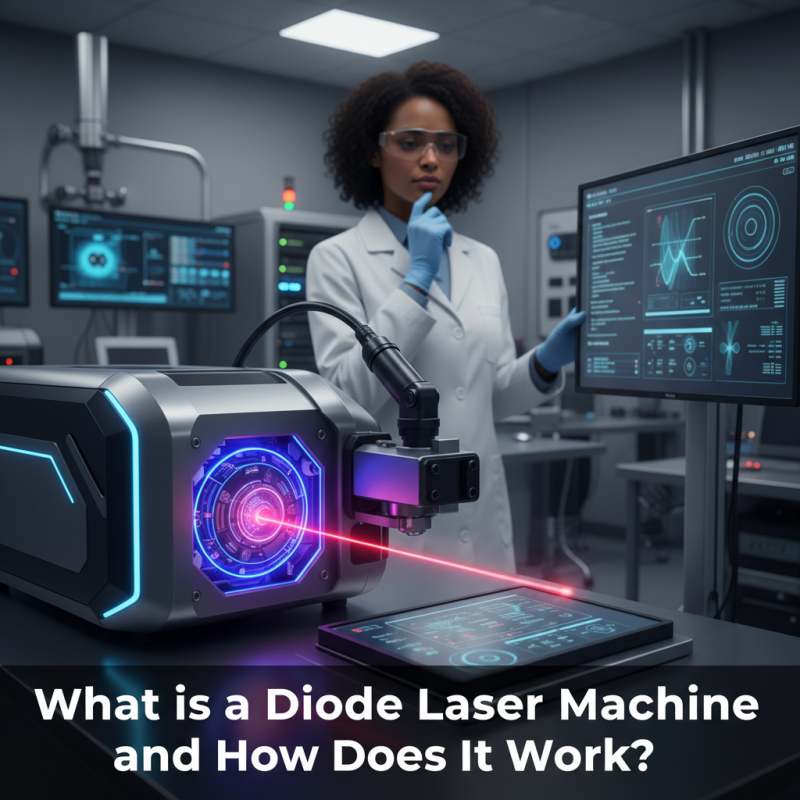
What is a Diode Laser Machine and How Does It Work?
In the realm of advanced technology, the Diode Laser Machine stands out for its precision and versatility. Dr. Emily Carter, an expert in laser technology, emphasizes, “A Diode Laser Machine can revolutionize industries with its efficiency and accuracy.” This powerful tool finds applications across various sectors, from medical treatments to industrial processes.
Understanding how a Diode Laser Machine operates is essential for harnessing its full potential. It utilizes semiconductor technology to produce coherent light, which enables targeted applications. This design allows for a compact form while delivering high energy efficiency. However, while its capabilities are impressive, challenges exist in mastering the application effectively.
The integration of a Diode Laser Machine into existing systems requires careful evaluation. Industry professionals must consider specific requirements and constraints. Each application may demand unique adjustments, and proper training is crucial for maximizing its benefits. Embracing a continuous learning mindset is vital, as is addressing areas of oversight that can occur in the implementation phase.
What is a Diode Laser Machine?
A diode laser machine is a specialized device that uses semiconductor technology to generate laser light. This machine operates by passing an electric current through a diode. The result is an efficient and concentrated beam of light. This light can be utilized for various applications, from industrial cutting to medical treatments. The compact size and lightweight nature of diode lasers make them popular in many fields.
One notable aspect of diode lasers is their ability to operate at different wavelengths. This flexibility allows users to select specific settings for various materials. For example, the machine can efficiently cut through metals or create intricate designs in fabrics. However, it is essential to note that not all materials are compatible, and careful selection is required. Users often find it challenging to achieve the desired results due to the nuances in settings and the characteristics of the materials being used.
The diode laser machine's reliability is one of its strong points, yet it requires proper maintenance. Over time, the diodes may degrade, affecting performance. Regular checks and calibrations can mitigate potential issues. Users should reflect on their experience with these machines, considering both successes and setbacks. Each project provides lessons that enhance future work, contributing to skill development.
What is a Diode Laser Machine and How Does It Work?
| Feature | Description | Applications |
| Type | Solid-State Laser | Medical & Cosmetic Procedures |
| Wavelength | 800-900 nm | Hair Removal, Skin Treatments |
| Cooling System | Contact and Non-Contact Cooling | Dermatology, Tattoo Removal |
| Pulse Width | Short Pulses for Precision | Aesthetic Treatments, Surgery |
| Advantages | High Precision, Minimal Downtime | Effective for Multiple Skin Types |
| Disadvantages | Initial Cost, Operator Training Required | Not Suitable for All Conditions |
Principle of Operation of Diode Lasers
Diode lasers operate based on the principle of semiconductor physics. They use a p-n junction to generate light when an electric current is applied. This process is known as electroluminescence. The junction creates an energetic environment where electrons and holes recombine, emitting photons in the process. The wavelength of the emitted light can be adjusted by altering the semiconductor materials used.
Research indicates that diode lasers are highly efficient. Industry reports show that they have an electrical-to-optical conversion efficiency of up to 50%. This is significantly higher than other laser types. Their compact size and low energy consumption make them suitable for various applications, such as medical treatments, industrial cutting, and telecommunications. However, one must reflect on the limitations. For instance, while they can produce high-quality beams, their performance can degrade under specific conditions. Environmental factors, such as temperature variations and improper cooling, impact their reliability.
Moreover, diode lasers typically offer a narrower wavelength spectrum than other laser types. This can lead to less versatility in certain applications. Although this specificity can be advantageous, it restricts the machine's use in broader contexts. Understanding the principle of operation is essential for optimizing diode laser machines, ensuring they meet precise application needs.
Components of a Diode Laser Machine
A diode laser machine is an advanced tool used in various industries, including manufacturing and healthcare. Its effectiveness comes from a collection of essential components, each playing a crucial role in its function.
The core component is the diode itself, which emits coherent light when electricity flows through it. This light can be highly focused and is crucial in applications like cutting and engraving. Heat sinks are important too; they dissipate heat produced during operation, ensuring the diode operates efficiently. Without proper cooling, performance could drop, leading to ineffective results.
Optical components like lenses and mirrors guide and focus the laser beam. These elements help achieve precision in tasks such as skin treatments or industrial cutting. Additionally, the power supply provides the necessary current to the diodes, while control systems allow users to adjust settings. Users often struggle to find the right balance between power and speed for optimal results. Understanding these components can lead to better outcomes, but experimenting is necessary.
Diode Laser Machine Power Output Comparison
Applications of Diode Laser Technology
Diode laser technology has found widespread applications across various sectors. Its efficiency and precision make it suitable for medical, industrial, and cosmetic uses. In the medical field, diode lasers play a significant role in procedures like skin resurfacing and hair removal. According to a report by the American Society for Laser Medicine and Surgery (ASLMS), these lasers can target melanin effectively, leading to less damage to surrounding tissues.
In industrial settings, diode lasers are used for cutting and engraving materials. They demonstrate high energy efficiency, which is a crucial factor for manufacturers aiming to reduce operational costs. The Laser Institute of America (LIA) states that diode lasers can achieve up to 40% efficiency, significantly higher compared to traditional laser technologies. However, this efficiency also brings challenges. The high precision required in aligning these lasers can complicate setups, leading some operators to rethink their workflow.
Cosmetic applications of diode lasers are expanding as well. They can treat various skin conditions, including acne and pigmentation issues. Yet, there are concerns regarding skin types and treatment effectiveness. Some studies show mixed results in diverse populations, underscoring the need for continued research. Tailoring treatments to individual needs remains an area for improvement, highlighting the evolving nature of diode laser applications. Overall, the versatility of diode laser technology continues to enhance multiple industries, yet it invites ongoing reflection on optimizing its use.
Advantages and Limitations of Diode Laser Machines
Diode laser machines have gained popularity in various applications, from medical treatments to industrial uses. One major advantage is their ability to deliver precise energy. This accuracy minimizes damage to surrounding tissues, making them ideal for procedures like hair removal or skin rejuvenation. Additionally, diode lasers are known for their efficiency and relatively low operating costs.
However, there are limitations to consider. Diode lasers may not be suitable for all skin types or hair colors. Some users report discomfort during treatment, which can deter clients. Maintenance is also crucial; regular checks are necessary to ensure optimal performance. A poorly maintained machine could lead to inconsistent results.
Tip: Always consult a professional before undergoing laser treatments. Understand your specific needs and skin type to tailor the approach. Do not hesitate to ask questions regarding the procedure and its potential effects. Proper research can prevent negative experiences and lead to better results.