10 Essential Tips for Choosing Low Profile Microtome Blades?
Choosing low profile microtome blades is crucial for precise and efficient sample preparation in histology and pathology. The quality of these blades directly impacts the thickness of the cuts and overall specimen integrity. Industry reports indicate that the right blade can enhance sample preservation by up to 30%, which is vital for accurate diagnoses.
Many users underestimate the significance of selecting the appropriate blade type. With numerous brands and specifications available, navigating the options can be challenging. Some studies show that improper blade selection can lead to increased waste and reduced sample quality, underscoring the need for informed choices. Low profile microtome blades play a key role in achieving thin, uniform sections, which are essential in both research and clinical settings.
It's essential to consider factors such as material, sharpness, and compatibility when selecting blades. Not all low profile microtome blades are created equal. This complexity can lead to confusion and errors in selection. Awareness of common pitfalls, such as choosing blades based solely on price, can mitigate frustrations and improve outcomes. As experts in the field agree, understanding the nuances of blade selection is not just beneficial; it’s necessary for achieving optimal results.

Understanding Different Types of Low Profile Microtome Blades
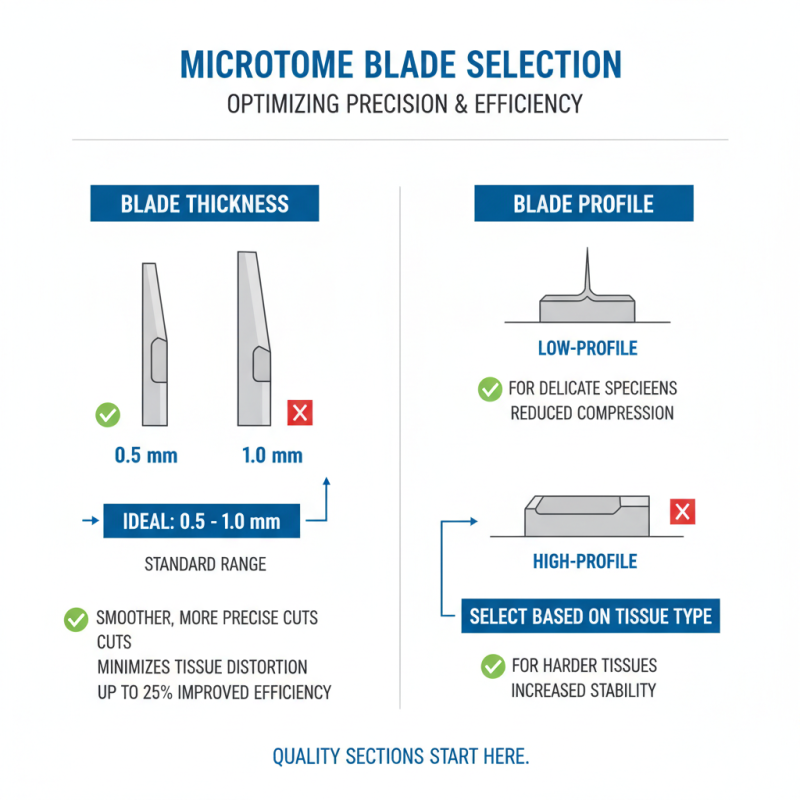
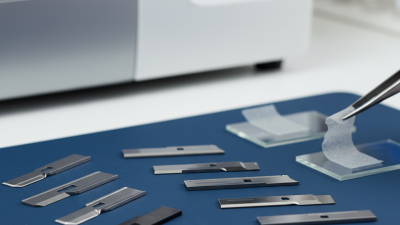
When choosing low profile microtome blades, understanding their types is crucial. Different blades are designed for various applications. Some blades are made for routine histology, while others cater to more specialized tasks. The thickness of the blade is one key differentiator. Thinner blades allow for finer sections, essential in high-precision work. However, they might wear out faster and require careful handling.
Another aspect to consider is the blade material. Stainless steel blades are common due to their durability. However, ceramic blades provide exceptional sharpness and longevity. Each material impacts cutting performance and sample integrity. Users often report varied experiences; every lab has unique needs. It's essential to reflect on your specific requirements when selecting a blade. Understanding these nuances will lead to better outcomes in tissue preparation.
It's also important to note that not all blades fit every microtome. Compatibility is a factor that should not be overlooked. Some users find themselves frustrated by mismatched components. Reading detailed specifications can help prevent these issues. Experimenting with different types can yield insights but may take time. Each choice carries implications for your workflow and results.
Key Factors Influencing Blade Selection for Microtomy
When selecting low profile microtome blades, several key factors play a crucial role. The thickness of the blade is one such factor, typically ranging from 100 to 250 microns. Thinner blades often provide better precision for delicate tissues, yet they may compromise durability. Research indicates that a pair of microtomy blades can last an average of 200 cuts, but this can vary based on the material being sectioned.
Additionally, the blade angle is essential in achieving uniform sections. Most blades feature an angle of 30 to 45 degrees, optimizing their cutting performance. A report by the International Society for Advancement of Cytometry highlights that poorly chosen angles can lead to inconsistent sections, potentially impacting research results. It's beneficial to consider the specific tissue type for sectioning, as harder materials require sharper blades.
Another detail to ponder is the blade compatibility with your microtome equipment. While many blades fit standard models, discrepancies exist that may affect performance. Regular calibration and maintenance of the microtome can greatly enhance the cutting experience. Investing in a comprehensive understanding of these factors can significantly improve section quality, thus elevating the overall results of histological studies.
10 Essential Tips for Choosing Low Profile Microtome Blades
This chart illustrates the importance level (on a scale from 1 to 10) of various factors influencing the selection of low profile microtome blades. Each factor plays a critical role in ensuring optimal performance in microtomy procedures.
Evaluating Blade Material: Steel vs. Polymer Options
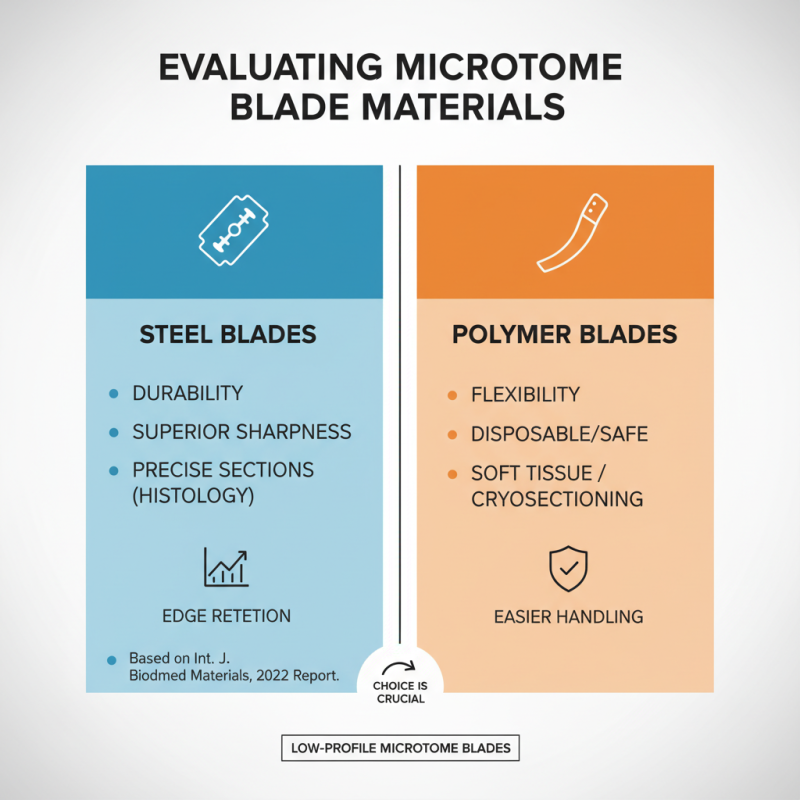
When selecting low profile microtome blades, the choice of material is crucial. There are primarily two options: steel and polymer. Both materials come with distinct characteristics that impact performance. According to a 2022 report from the International Journal of Biomedical Materials, steel blades are known for their durability and sharpness. Their edge retention is typically superior, making them ideal for precise sections, particularly in histology applications.
On the other hand, polymer blades offer some advantages. They are lighter and can be less expensive, which appeals to many laboratories. The usage of advanced polymers can yield blades that are not only ultra-sharp but also resistant to corrosion. A study by the European Association of Cutting Tool Manufacturers indicated that polymer blades can reduce sample contamination, an essential factor in histopathological assessments.
While steel blades dominate traditional settings, polymers are gradually gaining traction. However, some researchers have noted challenges such as the potential for chipping and limited lifespan compared to steel. Choosing between these two options depends on specific laboratory needs and sample types. Understanding the trade-offs between material properties is essential for optimal results.
Tips for Proper Storage and Maintenance of Microtome Blades
Proper storage and maintenance of microtome blades is crucial for achieving precise cutting results. Blades should be stored in a dry, clean space. Avoid exposing them to humidity or corrosive substances. Consider using a protective case designed for microtome blades. This ensures they remain sharp and free from damage. Proper storage can extend the usability of the blades, reducing the need for frequent replacements.
Routine inspection is also important. Check blades for any signs of wear or damage before use. A tiny nick can affect the quality of the sample. Cleaning blades after each use is essential. Use a soft cloth to remove any tissue residue, preventing buildup that can impair performance. Remember to handle the blades with care, as improper handling may lead to accidents or dulling.
Lastly, it’s vital to keep track of your blade usage. Take notes on when each blade is replaced. This practice helps establish a routine for replacements, preventing unexpected downtime. Regular maintenance can save time and resources in the long run. However, even experienced users sometimes overlook these details. Reflecting on your process can lead to improved practices in blade care.
10 Essential Tips for Choosing Low Profile Microtome Blades
| Tip Number |
Tip |
Details |
| 1 |
Assess Blade Material |
Choose stainless steel or tungsten carbide for durability. |
| 2 |
Check Blade Sharpness |
Ensure blades are precision sharpened for optimal cutting. |
| 3 |
Consider Blade Size |
Select appropriate size for your specific microtome model. |
| 4 |
Evaluate Pricing |
Compare prices to ensure quality within your budget. |
| 5 |
Read User Reviews |
Check feedback for performance and reliability. |
| 6 |
Look for Compatibility |
Ensure blades fit your specific microtome model. |
| 7 |
Ask for Recommendations |
Seek advice from colleagues or experts in the field. |
| 8 |
Verify Quality Certifications |
Look for ISO or other quality assurance certifications. |
| 9 |
Consider Storage Options |
Store blades in protective cases to maintain sharpness. |
| 10 |
Implement Maintenance Routine |
Regularly clean blades to extend their lifespan. |