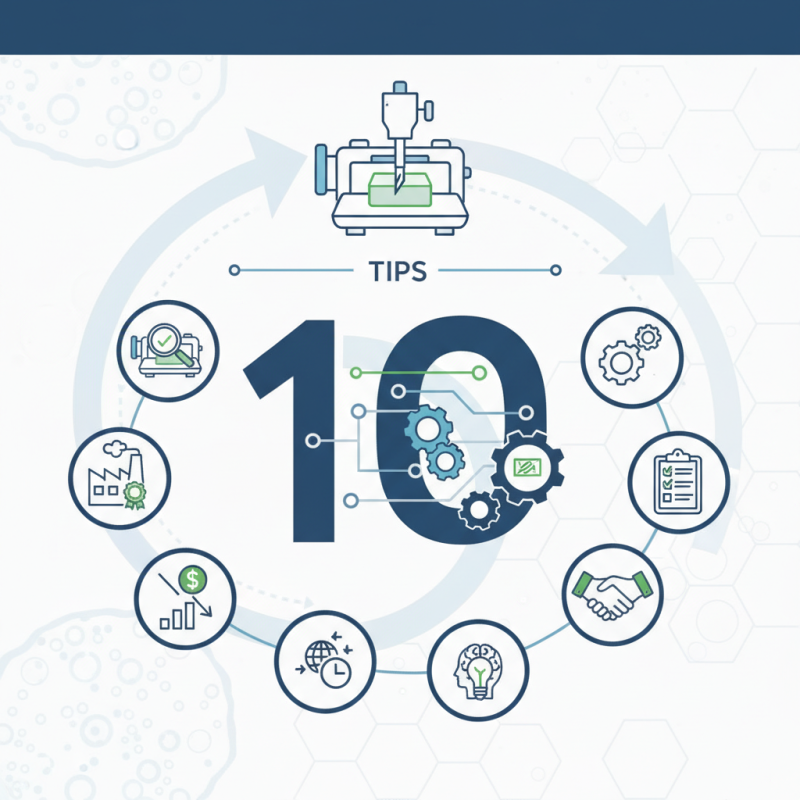
10 Essential Tips for Choosing the Right Refurbished Microtome
In the field of histology, selecting a refurbished microtome can be challenging. Mark Thompson, a leading expert in microscopy, emphasizes, "Investing in quality is crucial for accurate results." Understanding the intricacies of refurbished microtomes is essential for practitioners. With numerous options available, discerning quality from subpar choices becomes vital.
A refurbished microtome can offer precision at a lower cost, but it must meet specific certifications. Look for models with ISO and CE approvals to ensure safety and reliability. However, not all refurbished units come with these assurances; buyers should conduct thorough research.
Moreover, the process of finding the right refurbished microtome can be overwhelming. Mistakes can lead to wasted resources and compromised results. It's important to evaluate not just price, but the overall condition and service history of the equipment. Each step taken in the selection process should be met with careful consideration and reflection.
Understanding Microtomes: Types and Their Uses
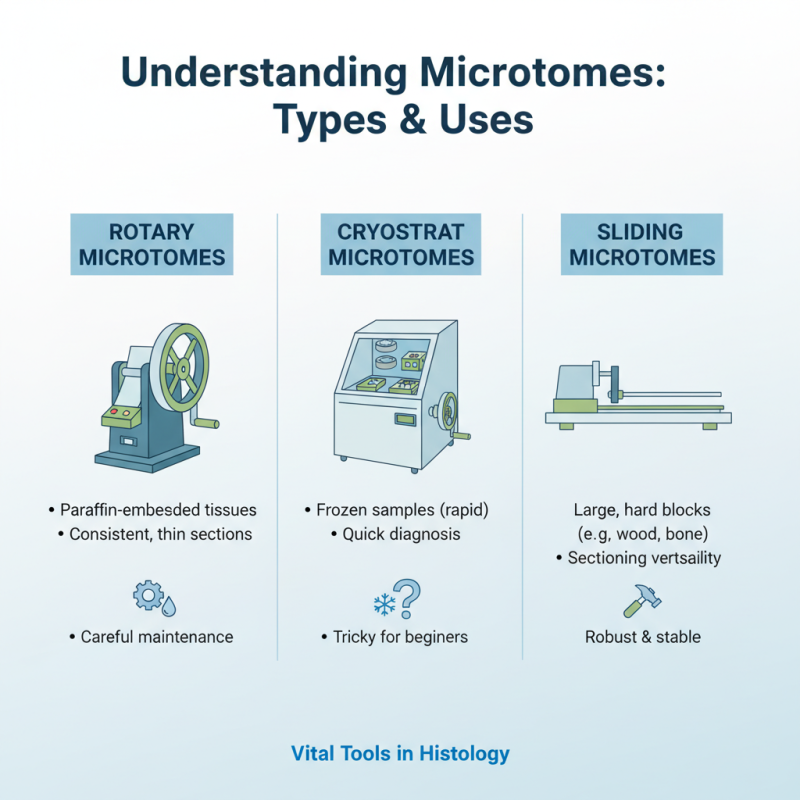
Microtomes are vital tools in histology for preparing thin slices of samples. Understanding the different types helps in making an informed decision. There are rotary microtomes, cryostat microtomes, and sliding microtomes. Each has unique features and uses. Rotary microtomes are ideal for paraffin-embedded tissues. They provide consistent thicknesses, but require careful maintenance. Cryostat microtomes offer the advantage of sectioning frozen samples quickly. However, they can be tricky to operate for beginners.
When selecting a refurbished microtome, consider the condition and previous usage. Look for wear and tear, as this can affect performance. Operating a microtome might involve a learning curve. Don't expect flawless results immediately. Practice is crucial for getting the perfect sections. Researching various models and their capabilities is essential.
One critical tip is to think about your laboratory’s specific needs. A microtome might look appealing but may not suit your work. Ask for a demonstration if possible. Checking reviews and asking colleagues can provide valuable insights. The right equipment can improve your results, but the wrong choice can lead to frustration. Always weigh your options carefully before making a purchase.
Key Factors to Consider When Buying a Refurbished Microtome
When choosing a refurbished microtome, consider several key factors. First and foremost is the condition of the equipment. Look for signs of wear and tear. Scratches, rust, or loose parts can indicate more serious issues. It's vital to request maintenance records. These documents can provide insights into how well the microtome has been cared for. A machine with a solid service history will often perform better.
Another important aspect is the manufacturer’s reputation. While avoiding brand names, you should research which companies produce reliable devices. Read reviews and testimonials from previous users. This feedback can reveal common issues or exceptional performance, guiding your choice. Also, ensure the availability of replacement parts. If a microtome requires repairs, sourcing parts should not become a hassle.
The warranty offered is another significant consideration. A good warranty reflects the seller's confidence in the product. If something goes wrong, you want to know you have recourse. Lastly, think about the price. While you may find attractive deals, be cautious. Sometimes, lower prices result from hidden problems. Be reflective and diligent in your research to make an informed decision.
Evaluating the Condition and Performance of Refurbished Microtomes
When evaluating the condition and performance of refurbished microtomes, attention to detail is crucial. According to recent studies, around 30% of refurbished medical equipment fails quality checks due to inadequate inspection processes. This statistic suggests the importance of verifying certification and service history. Look for documentation that confirms the equipment's past usage, repairs, and any upgrades made.
It's also vital to assess the wear and tear on critical components. For instance, check the knife holder and cutting mechanisms, as these parts often endure the most stress during operation. Minor signs of damage can indicate a larger issue. Additionally, consider performance benchmarks. Reports show that only 60% of refurbished microtomes meet original manufacturer's specifications post-refurbishment. Testing the microtome’s cutting precision using standard samples can provide valuable insight into its current state.
Prioritize a trusted refurbishment process and inquire about warranties. Many refurbishers offer short-term guarantees, but they can vary widely. This inconsistency can lead to unexpected expenses down the road. Be mindful of the fact that a warranty alone doesn't ensure performance quality. Engaging in thorough research and direct communication with refurbishers can reveal subtle yet important differences in their offerings.
Checking Warranty and Support Options for Refurbished Equipment
When considering a refurbished microtome, warranty and support options are crucial. A good warranty can protect your investment.
Studies show that 70% of refurbished equipment failures occur within the first year. This highlights the importance of checking warranty periods. Look for warranties that cover parts and labor.
Support options are equally important. Some sellers offer technical assistance. Others may not. A lack of support can lead to downtime and frustration.
A survey found that 55% of users faced issues without proper support.
Therefore, ask about service plans before buying.
Tips for selecting your microtome include researching the seller’s reputation. Read customer reviews and testimonials.
Verify their experience.
Ensure they have a proven track record. Additionally, consider the availability of replacement parts. Many refurbished models may struggle with sourcing specific components.
Remember, the right warranty and support can enhance your equipment's longevity. A well-supported microtome can improve workflow efficiency, reflecting positively on your laboratory's operations.
Budgeting and Cost-Effectiveness of Refurbished Microtomes
When considering a refurbished microtome, budgeting is key. Microtomes can be costly, even when refurbished. A smaller budget may limit your options. Ensure you assess the condition and history of the instrument. This could save you from unexpected expenses later.
One essential tip is to understand the total cost of ownership. Remember, it’s not just the initial purchase price. There might be maintenance costs and potential repairs. Ask about warranty terms and service support. This is crucial for budgeting effectively.
Another tip is to research available financing options. Sometimes, there are flexible payment plans. This can make a refurbished microtome more accessible. Additionally, compare prices from different sources. Don’t settle for the first option you find. You want the best value for your investment. Balancing cost and quality is vital for your lab’s success.
10 Essential Tips for Choosing the Right Refurbished Microtome - Budgeting and Cost-Effectiveness of Refurbished Microtomes
| Tip Number |
Tip Description |
Estimated Cost Range |
Maintenance Cost |
| 1 |
Assess the specific needs based on application |
$2,000 - $5,000 |
$300/year |
| 2 |
Check for warranty and post-purchase support |
$2,500 - $4,500 |
$250/year |
| 3 |
Evaluate the quality of the refurbishment process |
$3,000 - $6,000 |
$400/year |
| 4 |
Consider the availability of replacement parts |
$1,500 - $3,500 |
$150/year |
| 5 |
Research on manufacturer reputation |
$2,000 - $4,000 |
$300/year |
| 6 |
Seek feedback from previous users |
$2,200 - $4,200 |
$350/year |
| 7 |
Verify the machine's calibration and functionality |
$3,000 - $5,500 |
$400/year |
| 8 |
Ensure compatibility with existing equipment |
$2,500 - $5,000 |
$300/year |
| 9 |
Evaluate total cost of ownership |
$3,000 - $7,000 |
$450/year |
| 10 |
Check for regulatory compliance |
$2,800 - $4,800 |
$350/year |