Top Uses of HM 325 Microtome in Modern Histology Techniques?
The HM 325 microtome has become a vital tool in modern histology. This device is essential for preparing thin tissue sections for microscopic examination. Its precision and reliability have made it a go-to choice among professionals in pathology and research labs.
The use of the HM 325 microtome significantly enhances the overall quality of histological samples. Its advanced features allow for consistent and uniform slices of various tissues. These precise sections aid in accurate diagnoses and research findings. However, achieving the best results with this microtome requires experience and careful technique.
Histologists often face challenges during the sample preparation process. Sometimes, even slight deviations can lead to subpar results. Therefore, understanding how to use the HM 325 microtome effectively is crucial. This leads to better outcomes and promotes trust in histology results. Mastering its capabilities can elevate the standard of histological practices.
Overview of HM 325 Microtome and Its Features
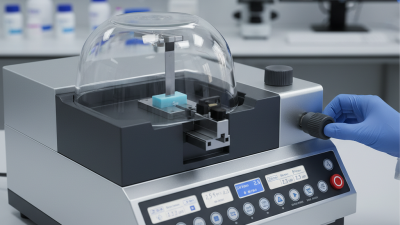
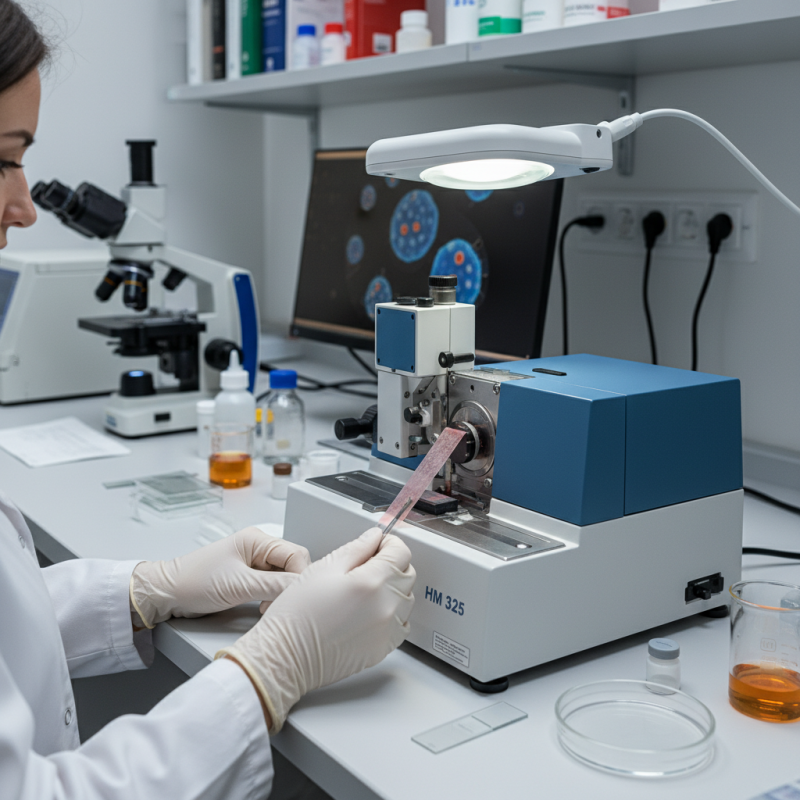
The HM 325 Microtome is a key instrument in modern histology. It features advanced cutting technology to produce thin sections of tissue specimens. This precision is critical for clear microscopy analysis. The microtome's ergonomic design enhances user comfort, making it ideal for extended lab work. It accommodates various sample types with ease, ensuring versatility in histological applications.
Tip: Always ensure your microtome blade is sharp. A dull blade increases fragmenting and reduces section quality. Handling samples carefully promotes better results.
Another noteworthy feature of the HM 325 is its user-friendly interface. Histologists appreciate intuitive controls that streamline the cutting process. This instrument supports various thickness settings, allowing tailored samples for specific examinations. However, occasional calibration is necessary to maintain cutting accuracy.
Tip: Regular maintenance checks can significantly extend the microtome's lifespan. Inspecting components frequently prevents sudden malfunctions.
The HM 325 Microtome proves invaluable for educational and research institutions. Its combination of features supports the growing needs of histology. However, as with any technology, there is always room for refinement and improvement. Each user may encounter unique challenges, encouraging experimentation for optimal performance.
Applications of HM 325 Microtome in Tissue Sectioning
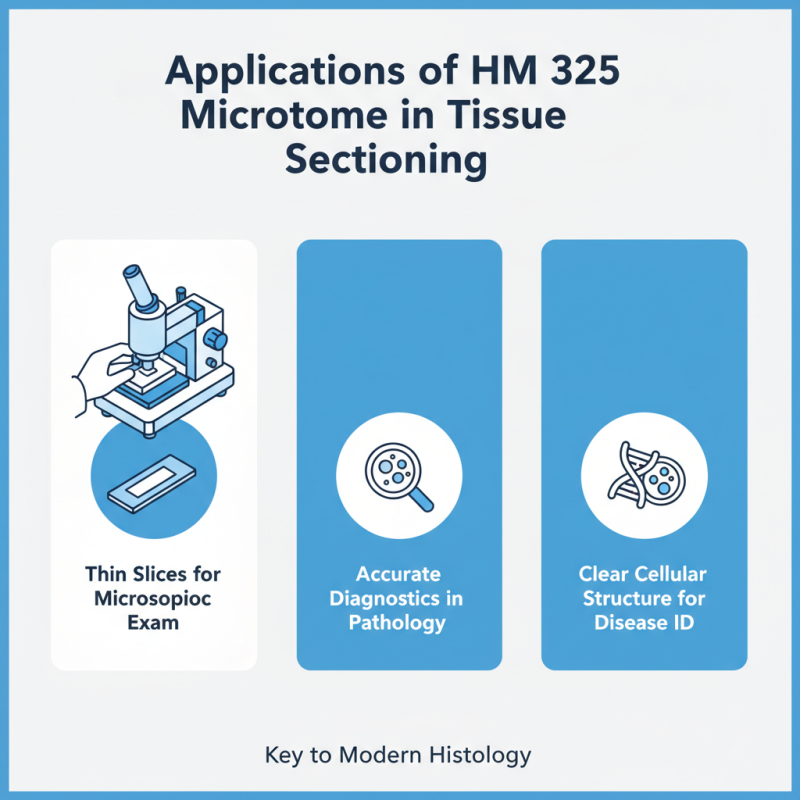
The HM 325 microtome plays a crucial role in modern histology, particularly in tissue sectioning. This instrument allows researchers to produce thin slices of biological specimens, vital for microscopic examination. Its precision in slicing is essential for accurate diagnostics in pathology labs. Precise sectioning enables pathologists to observe cellular structures clearly, aiding in disease identification.
Tissue samples can vary in density and composition. The HM 325 microtome addresses these challenges with its adjustable settings. Users can set ideal thicknesses for different types of tissues. This customization is beneficial when working with samples like nervous tissue or connective tissues, where thickness can impact visibility. Operators often find challenges in achieving consistent thickness across samples, requiring practice and adjustments.
Moreover, the microtome's blade quality also influences sectioning success. A dull blade can lead to jagged edges and hinder a clear view of the sample. Regular maintenance is crucial, though it can be overlooked. These nuances in using the HM 325 microtome remind users that perfection is a constant pursuit. Achieving optimal results often involves reflection and learning from occasional errors in sectioning.
Advantages of Using HM 325 Microtome in Histology
The HM 325 Microtome is a pivotal tool in modern histology. Its precision in slicing biological tissues is unmatched. This microtome is equipped with advanced features that enhance reproducibility. Users appreciate the ease of use and adaptability to different samples. Its ability to produce uniform sections is crucial for accurate analysis.
One major advantage of the HM 325 Microtome is its ergonomic design. This design reduces strain during long hours of use. However, some users notice a learning curve. It may take time to master the settings for optimal results. Yet, once familiar, users find the microtome delivers reliable performance consistently.
Another notable benefit is its speed. The HM 325 Microtome can produce high-quality slices in less time than older models. Many histologists experience increased throughput, allowing for more samples processed daily. Still, it’s vital to remain cautious. Inadequate maintenance could lead to operational inconsistencies. Regular checks are necessary to ensure its longevity.
Comparative Analysis with Other Microtome Models
The HM 325 microtome stands out in modern histology due to its precision and ease of use. Compared to traditional models, it offers improved cutting efficiency. Its advanced blade design ensures consistent thickness, crucial for accurate sample analysis. While some microtomes require extensive training, the HM 325 allows for quicker learning curves. This user-friendliness makes it an appealing choice for laboratories.
However, not all models are created equal. Some competitors may have features that seem attractive but lack reliability over time. Users often report inconsistencies in sectioning with lesser models. Ultimately, the choice of microtome can significantly affect overall research outcomes. Inconsistencies in sample preparation can lead to flawed analyses.
**Tips:** When choosing a microtome, consider the volume of samples you will process. Always review user feedback and consider long-term reliability. Calibration is key. Regular maintenance can prevent unexpected issues.
Top Uses of HM 325 Microtome in Modern Histology Techniques
| Feature |
HM 325 Microtome |
Model A Microtome |
Model B Microtome |
| Cutting Thickness Range |
1 - 100 µm |
1 - 50 µm |
0.5 - 70 µm |
| Type of Blade |
Rotary Blade |
Sliding Blade |
Rotary Blade |
| Ease of Use |
User-Friendly Controls |
Moderate Complexity |
Advanced Features |
| Sample Size Compatibility |
Standard and Large |
Standard |
Large |
| Price Range |
$5,000 - $7,000 |
$3,500 - $5,000 |
$4,500 - $6,500 |
| Warranty |
5 Years |
2 Years |
3 Years |
Future Trends in Microtome Technology and Histology Techniques
Microtome technology has advanced significantly,
leading to improved histology techniques. As the demand for precision in tissue sectioning grows,
innovations continue to emerge. New microtome designs
offer enhanced user ergonomics. Additionally, automation in tissue processing is becoming more prevalent.
This trend allows for consistent and reproducible results.
Research institutions and laboratories are adopting digital tools.
Integrating artificial intelligence into histology workflows enhances accuracy.
For example, AI can assist in identifying anomalies within tissue samples. This evolution extends to software
that analyzes histological data. However, reliance on technology raises concerns about training and expertise.
Despite advancements, challenges remain. Some users report
difficulties in adapting to new systems. Regular equipment calibration is crucial for maintaining accuracy.
Moreover, not all labs can afford the latest tools. A balance between innovation and practical application
is essential. As histology continues evolving, it is vital to ensure accessibility and competence in the field.