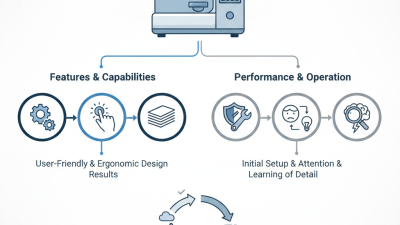
What Makes Leica RM2135 Microtome the Best Choice for Labs?
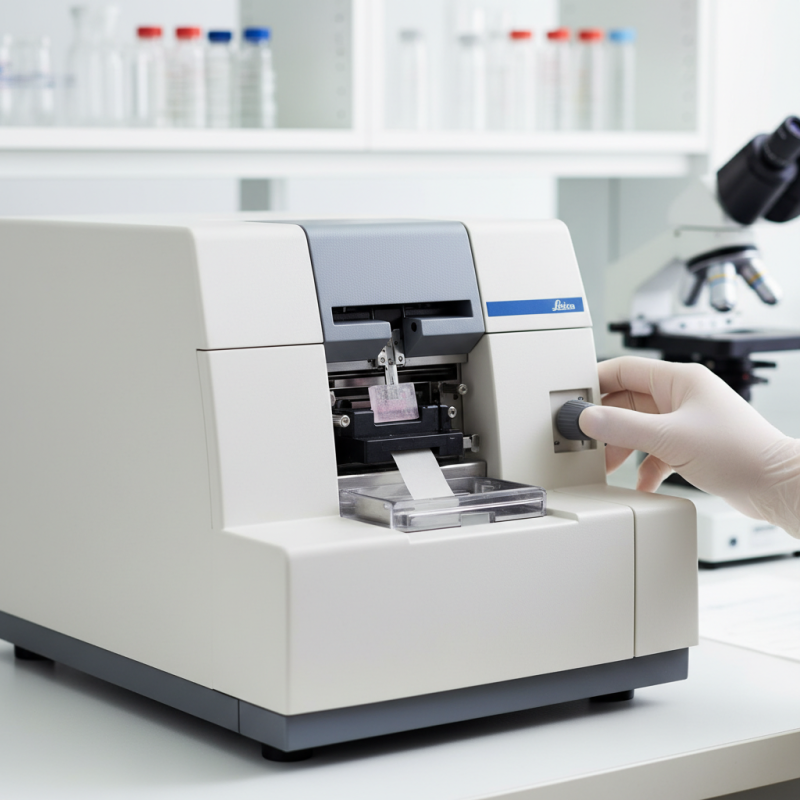
The Leica RM2135 microtome stands out as a premier choice for laboratory needs. This device merges precision and reliability, essential for histology and research applications. Its ergonomic design ensures ease of use, promoting efficiency during long hours in the lab.
Researchers appreciate the Leica RM2135 microtome for its consistent performance and durability. It produces high-quality sections, crucial for accurate analysis. However, its initial cost may be higher than some alternatives. This investment is often justified by the minimal maintenance and longevity it offers.
In laboratories, every detail counts. The Leica RM2135 microtome allows for customizable settings, catering to various sample types. This adaptability enhances its value, but users must spend time learning these features. Overall, the Leica RM2135 microtome exemplifies expert engineering, delivering results that meet the highest scientific standards.
Overview of Leica RM2135 Microtome Features
The Leica RM2135 microtome stands out due to its precise engineering and user-friendly features. It offers adjustable cutting thickness, which is essential for creating uniform slices. This feature directly impacts the quality of specimens in labs, particularly in histology. Additionally, the microtome has a sharp, durable blade designed for extended use. This reduces the frequency of blade replacements, which can be cost-effective for labs.
One notable aspect of the RM2135 is its ergonomic design. It provides comfortable handling, minimizing fatigue during prolonged use. Proper ergonomics can improve precision in tissue sectioning. Operators often overlook the impact of comfort on workflow efficiency. Keeping the workspace organized can also enhance productivity.
Tips: Regular maintenance is key. Clean the microtome daily to prevent sample contamination. Also, ensure the blade is always sharp. A dull blade can compromise slice quality. Take time to train staff on best practices. A well-informed team ensures optimal results. Ensure that equipment is calibrated correctly. Calibration affects accuracy. Consistency is crucial when analyzing specimens.
Precision and Accuracy in Sectioning with Leica RM2135
Precision is crucial in sectioning for laboratories. The ability to create thin, uniform slices is vital for accurate analysis. Microtomes are essential for achieving this goal. Studies show that precision and accuracy in thickness consistently correlate with reliable results. A report from a leading industry journal indicates that variations in slice thickness can lead to a 15% discrepancy in analytical outcomes.
When considering the Leica RM2135 microtome, the design contributes significantly to its performance. Its user-friendly interface allows researchers to adjust settings easily. This minimizes human error, which can often compromise sample quality. Furthermore, a study found that microtomes with adjustable speeds provide a 20% improvement in consistency of sectioning. This highlights the role of technology in enhancing lab efficiency.
However, no device is without limitations. Maintenance and calibration are critical. Even the best equipment can yield faulty results if not properly maintained. Some users report a learning curve with advanced features. It's essential to invest time in training. Ultimately, knowing your tools and their upkeep is just as important as the technology itself.
User-Friendly Design and Ergonomics of Leica RM2135
The Leica RM2135 microtome stands out due to its user-friendly design and strong ergonomic features. Laboratories require precision and comfort, and this model delivers both. Ergonomics play a critical role in reducing strain during repetitive tasks. According to industry studies, improper equipment usage leads to up to 30% of lab workers facing musculoskeletal issues. The RM2135 is designed to minimize such risks.
By integrating adjustable features, the RM2135 allows users to find an optimal position easily. Its intuitive interface caters to various skill levels, making it accessible. A recent report suggests that efficient ergonomic equipment can improve productivity by about 25%. This microtome ensures a quick learning curve.
Tip: Regularly check for any wear on the adjustment knobs. Maintaining them will further enhance comfort and precision. Continuous use of ergonomic tools leads to better accuracy in specimen slicing, a core requirement in histopathology. Another point to consider is the balance between manual adjustments and automated features. Some users may prefer full automation but could miss out on engaging with the microtome's manual capabilities, fostering a deeper understanding of specimen preparation. Remember to evaluate how each adjustment impacts performance over time.
Understanding User Satisfaction with Microtome Features
Maintenance and Durability of Leica RM2135 Microtome
When considering the maintenance and durability of a microtome, specific elements come into play. A well-built microtome should withstand the rigors of daily lab use. Regular cleaning and proper storage are essential to encourage its longevity. Routine inspection of the blade and cutting mechanism can prevent unexpected malfunctions. Even the best models require a commitment to upkeep.
Maintenance practices should be straightforward. Users should familiarize themselves with the operational components. This helps in promptly addressing any wear and tear. Observing subtle changes in performance is crucial. A slight decrease in section thickness might indicate a need for adjustments or maintenance. Careful handling of parts can also extend the tool’s life.
Durability is determined by the materials used in manufacturing. Robust materials can resist corrosion and wear over time. However, even a durable microtome is not immune to breakdowns from improper use. A balance between user care and manufacturer specifications is vital. While some designs promise ease of use, they can still face challenges under heavy workloads.
Applications and Versatility in Laboratories With Leica RM2135
The Leica RM2135 microtome stands out in laboratory settings due to its exceptional versatility and range of applications. This compact tool allows for the precise sectioning of various materials, making it ideal for histology, pathology, and research purposes. Many labs rely on its ability to handle different specimen types, including soft and hard tissues. The microtome can produce thin slices, ensuring that samples are perfectly prepared for analysis.
Utilizing this device requires some expertise. While it offers advanced features, users must be trained to maximize its potential. Mistakes can occur, especially with settings adjustments, so meticulous attention is essential. Each specimen may respond differently to the slicing process, leading to unexpected results. Labs should encourage operator feedback and continuously refine their techniques to improve quality and efficiency.
Moreover, the design of the microtome allows for easy maintenance. Regular calibration is necessary to maintain accuracy. Technicians must be diligent in checking the blade and other components frequently. This routine can sometimes be overlooked, leading to less-than-optimal performance. Encouraging a culture of regular evaluation can help mitigate these issues and ensure that the microtome functions at its best.
What Makes RM2135 Microtome the Best Choice for Labs? - Applications and Versatility in Laboratories With RM2135
| Feature |
Description |
Applications |
Advantages |
| Cutting Thickness Range |
0.5 to 100 micrometers |
Histology, Pathology |
Versatile for various tissue types |
| Ease of Use |
User-friendly controls and interface |
Routine laboratory tasks |
Reduces training time for new users |
| Precision |
High reproducibility of section thickness |
Research, Clinical Labs |
Ensures consistent and reliable results |
| Safety Features |
Integrated safety mechanisms |
Educational Institutions |
Promotes safe working environment |
| Versatility |
Compatible with a variety of samples |
Biomedical Research |
Adapts to different research needs |