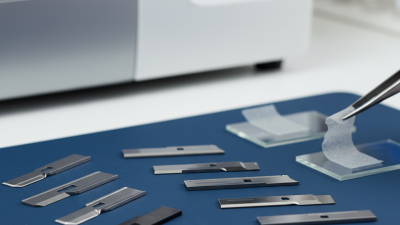
What is Leica Ultracut UCT Ultramicrotome and Its Uses?
The Leica Ultracut UCT ultramicrotome is a critical tool in microscopy and materials science. It is used to cut ultra-thin sections of samples, allowing researchers to study intricate cellular structures. According to a 2022 report by the Microscopy Society, the ultramicrotome market has grown by 15% due to rising demand in biomedical research and materials testing.
Dr. James R. Turner, an expert in advanced microscopy techniques, emphasizes the importance of this tool. He states, "The Leica Ultracut UCT ultramicrotome revolutionizes sample preparation, leading to unprecedented levels of detail." This technology enables scientists to analyze biological tissues and synthetic materials with accuracy and precision.
However, challenges remain. Proper operation requires skill and knowledge. Users must understand sample properties to avoid damage during slicing. Despite these hurdles, the Leica Ultracut UCT ultramicrotome remains a cornerstone for researchers who seek to push the boundaries of microanatomical studies.
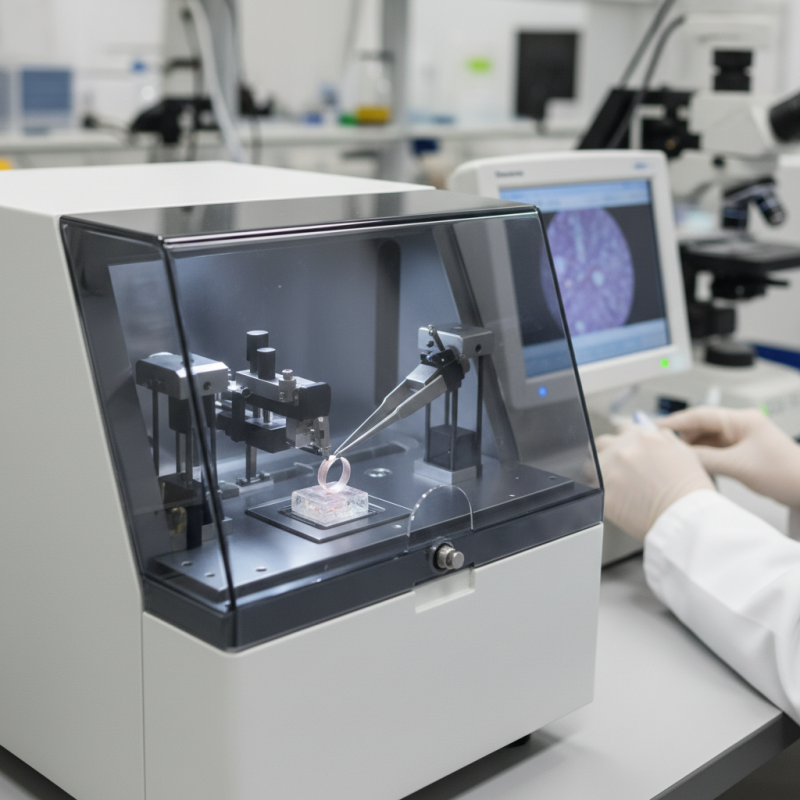
What is an Ultramicrotome?
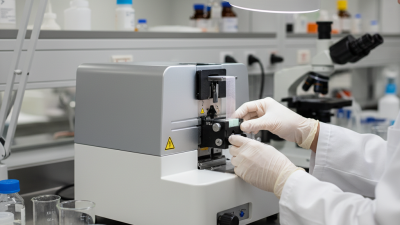
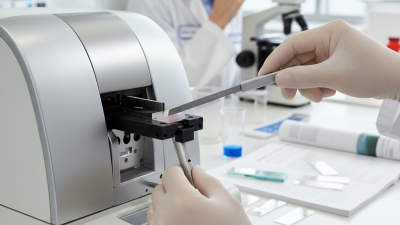
An ultramicrotome is a specialized instrument used for cutting extremely thin slices of material, typically biological specimens. These slices can be just a few nanometers thick, allowing researchers to investigate microstructures with great precision. The design of an ultramicrotome includes a sharp knife and a controlled cutting mechanism, ensuring consistent and high-quality sectioning. This tool is vital in fields such as histology and materials science.
Utilizing an ultramicrotome requires skill and knowledge. Operators must understand the nuances of sample preparation, as even minor variations can impact results. Selecting the right knife angle and cutting speed is critical. Additionally, environmental factors, such as temperature, can affect the cutting process.
Despite its sophisticated capabilities, the ultramicrotome is not without challenges. Users may encounter issues like knife dulling or uneven cuts due to sample inconsistencies. Continuous practice and familiarity with the device can enhance technique and accuracy. Each user’s experience may vary, making it essential to adapt methods according to the specific materials and desired outcomes.
What is Leica Ultracut UCT Ultramicrotome and Its Uses? - What is an Ultramicrotome?
| Dimension |
Description |
| Application |
Used for ultra-thin sectioning of samples for electron microscopy. |
| Cutting Thickness |
Capable of producing sections as thin as 30 nm. |
| Material Compatibility |
Suitable for biological tissues, polymers, and other materials. |
| Features |
Automatic feed, easy to adjust for different cutting thicknesses. |
| Weight |
Approximately 150 kg for stability during operation. |
| Typical Use Cases |
Primarily used in research institutions for biology and materials science. |
Overview of Leica Ultracut UCT Features
The Leica Ultracut UCT Ultramicrotome is a sophisticated tool used for cutting ultra-thin sections of materials. This device stands out due to its robust features and precision engineering. It is designed for high-resolution microtomy, allowing researchers to produce specimens that are thinner than a human hair. Such thin sections are crucial for detailed microscopic analysis. The Ultracut UCT provides exceptional temperature stability, which is vital for maintaining specimen integrity during the cutting process.
One of the key features includes a user-friendly interface, offering intuitive controls for beginners and experts alike. The device also boasts an advanced cutting mechanism that ensures smooth sectioning without compression or damage to samples. A notable aspect of this ultramicrotome is its versatility, accommodating a variety of materials from biological tissues to synthetic samples. However, operating this equipment requires practice. Improper settings can lead to suboptimal section quality, making training essential. While the Ultracut UCT excels in producing precise cuts, it’s important for users to continuously refine their skills for the best outcomes.
Applications of Leica Ultracut UCT in Research
The Leica Ultracut UCT Ultramicrotome stands out in the realm of scientific research. Its capabilities enable ultra-thin sectioning of samples. This feature is essential for various studies in biology and materials science. Researchers can create sections that are just a few hundred nanometers thick. Such precision allows for fine details to be observed under electron microscopy.
In biological research, the Ultramicrotome plays a crucial role. It helps in preparing tissue samples for histological examination. This equipment facilitates a deeper understanding of cellular structures and their functions. In materials science, it aids in the analysis of polymers and ceramics. Ultrathin sections provide insights into composition and potential applications.
Although the Ultracut UCT is highly regarded, certain aspects can present challenges. Users need to master the trimming of samples, which can be meticulous. Any minor error during sectioning may lead to rough surfaces or incomplete sections. Training and practice are essential to overcome these hurdles. Experimentation and feedback will enhance results over time. Embracing this process can lead to significant advancements in research outcomes.
Applications of Ultramicrotomes in Research
Advantages of Using Ultramicrotomes in Sample Preparation
Ultramicrotomes play a vital role in sample preparation for microscopy. They enable the production of ultra-thin sections, often as thin as 50 nanometers. This capability is essential for high-resolution imaging, especially in fields like biology and materials science. According to recent surveys, approximately 75% of researchers emphasize the importance of sample preparation quality in achieving reliable results.
One significant advantage of using ultramicrotomes is their precision. They enhance the reproducibility of sample sections, which is crucial for comparative studies. Reports indicate that precise thickness control can lead to up to a 30% increase in the accuracy of subsequent analyses. The technology reduces artifacts often present in traditional slicing methods. However, achieving the right conditions can be challenging. Factors like sample hardness and the operator's skill level can affect the final outcome.
Despite these challenges, ultramicrotomes significantly advance microscopy techniques. They allow scientists to explore cellular structures in detail. Improvements in sample quality can stimulate breakthroughs in research areas, such as cancer studies. Yet, users need to reflect on the calibration and maintenance of their equipment. Regular checks can prevent inconsistencies that lead to errors in conclusions. This self-evaluation is crucial to ensure that ultramicrotomy remains a reliable tool in modern laboratory practices.