Microm Microtome Tips for Efficient Tissue Sectioning?
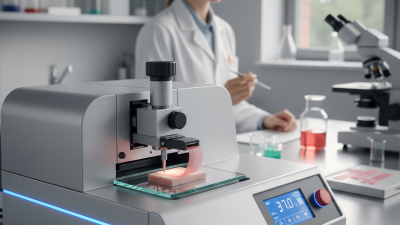
In the field of histology, effective tissue sectioning is crucial. The Microm Microtome stands out for its precision and reliability. Dr. Emily Johnson, a leading expert in histopathology, emphasizes the importance of technique: "Mastering your microtome skills can transform your tissue preparation results." This insight reflects the need for those using the Microm Microtome to hone their abilities.
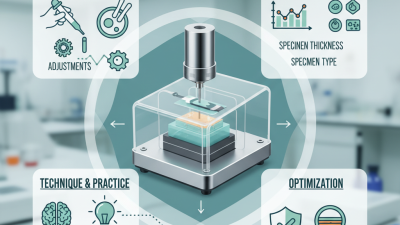
Tissue sectioning requires a careful approach to achieve optimal results. The Microm Microtome offers various features that aid in producing high-quality sections. However, even experienced users sometimes face challenges. Adjusting blade angles and ensuring proper specimen placement are vital yet often overlooked aspects. Practicing these details can significantly impact the outcome.
Relying solely on technology is not enough. Understanding the underlying principles is essential. Experts agree that continuous learning and adaptation are key in this field. By reflecting on past experiences and refining techniques, users of the Microm Microtome can enhance their skills and improve their work.
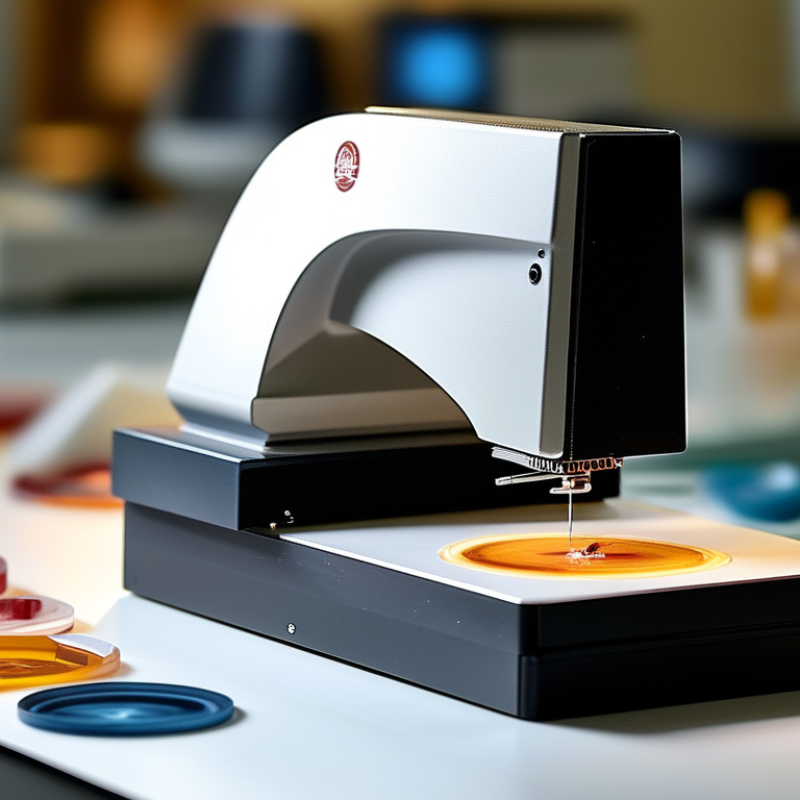
Understanding the Basics of Microtomy and Tissue Sectioning
Microtomy is an essential technique in histology. It involves cutting thin sections of tissue for microscopic examination. Understanding the basics is crucial for achieving optimal results. Properly prepared samples and the right microtome settings significantly influence the quality of tissue sections.
When sectioning, maintaining a consistent temperature is critical. Cold tissues cut more cleanly and provide even slices. However, achieving the right temperature can be challenging. It's often a balancing act. If the tissue is too cold, it may shatter. Too warm, and it may smear. This can lead to frustrating outcomes, requiring multiple attempts.
Additionally, the blade's angle and sharpness greatly affect section quality. A dull blade pulls at the tissue, causing artifacts. Regularly inspecting and replacing blades can stave off such issues. However, finding a reliable source for quality blades can be daunting. Each of these elements demands attention and precision. Relying solely on experience can be risky—ongoing education and feedback are vital.
Choosing the Right Microm Microtome for Your Needs
When selecting a microm microtome, consider your specific needs and desired applications. Different models vary in precision, ease of use, and sample compatibility. Reports from the National Institutes of Health indicate that selecting the right microtome can enhance sectioning efficiency by up to 40%. This improvement is crucial, especially in histology labs where time and accuracy are paramount.
Efficiency also relies on supporting tools. For instance, blades play a significant role. A study showed that the blade's sharpness can impact the quality of tissue sections. Regular training on microm operation can lead to an increased understanding of equipment capabilities. However, some users report confusion with settings and features. Addressing this knowledge gap can lead to better outcomes in tissue preparation.
Lastly, maintenance is often overlooked. Neglecting proper care can lead to decreased performance. Regular cleaning and calibration are necessary to retain precision. Many professionals underestimate this, resulting in inconsistent results. Reflecting on these elements can lead to improved practices and higher quality sections in the long run.
Preparing Tissue Samples for Optimal Sectioning Results
Preparing tissue samples for optimal sectioning results is crucial in histology. The quality of tissue samples can dramatically impact the accuracy of diagnosis and research outcomes. According to the National Institutes of Health, improper fixation can lead to artifacts that obscure cellular details. Proper fixation must occur within a critical time frame to preserve tissue architecture.
Sectioning begins with embedding tissues in a suitable medium. This ensures stability during slicing. The recommended embedding agents vary based on the tissue type. For instance, paraffin is widely used for most soft tissues. However, harder tissues may require more specialized polymers. According to a report from the Journal of Histotechnology, improper embedding affects 30% of samples, leading to poor sectioning.
Moreover, maintaining the microtome blades is essential for optimal results. Dull blades can create uneven sections. A study highlighted that 25% of sectioning errors stem from blade maintenance issues. Regular sharpening and replacement schedules can significantly improve the quality of the sections. Observing these practices can yield better long-term outcomes and reduce waste in the laboratory setting.
Microm Microtome Tips for Efficient Tissue Sectioning
| Tip Number |
Tip Description |
Recommended Action |
Expected Outcome |
| 1 |
Use a Sharp Microtome Blade |
Regularly replace blades |
Cleaner cuts, less compression |
| 2 |
Control Temperature |
Maintain samples at optimal temperature |
Improved sectioning quality |
| 3 |
Proper Embedding Medium |
Choose the right medium for sample type |
Enhanced structural integrity |
| 4 |
Adjust Cutting Speed |
Adapt speed to sample softness |
Consistent thickness |
| 5 |
Section Orientation |
Align samples correctly in holder |
Better tissue architecture visualization |
Techniques for Achieving Thin and Uniform Tissue Sections
Achieving thin and uniform tissue sections is essential for effective microscopy and histological analysis. Proper technique and equipment play a significant role in this process. According to a study, sections thinner than 10 micrometers allow for better cellular detail, as 95% of pathologists prefer these thin slices for diagnosis. A microm microtome, properly calibrated, can significantly enhance sectioning quality and reliability.
One common issue lies in the selection of tissue samples. Not all tissues respond well to standard cutting techniques. Different tissues may require varied temperatures or embedding media for optimal outcomes. It's crucial to experiment with conditions to find the best approach. Using a consistent hand movement can also enhance uniformity, though it can be challenging to master.
Additionally, maintaining the microtome blade is essential. Dull blades can cause tearing, resulting in uneven sections. Regular maintenance is needed to ensure precision. However, understanding the limitations of equipment and personal technique is vital. Reflection on past experiences can lead to improvements. Every section cut is an opportunity for growth and learning in histological practices.
Maintaining and Troubleshooting Your Microtome for Efficiency
Maintaining and troubleshooting your microtome is crucial for efficient tissue sectioning. A well-maintained microtome can save time and improve quality. Regularly check the blade for damage. Dull blades can lead to uneven cuts or tearing of tissue samples. Replacing blades when they show signs of dullness is essential for crisp sections.
Temperature control plays a significant role in tissue sectioning. Ensure your microtome is in a temperature-regulated environment. If the microtome is too cold, it can affect the cutting process. Additionally, pay attention to the sample's embedding medium. If it's too hard or too soft, it may hinder proper slicing.
Problems may arise even with the best maintenance. You might experience inconsistent section thickness. This could indicate that the feed mechanism is not functioning correctly. Check for debris in the track or misalignment of components. Regular cleaning can prevent these issues. Inconsistent results can be frustrating and often require a change in technique as well.