A microtome purchase can shape daily histology work, from trimming paraffin blocks to producing sections ready for staining. The scale of that work matters: the International Agency for Research on Cancer’s GLOBOCAN 2022 estimates report about 20 million new cancer cases worldwide that year. Those figures do not predict demand at any one laboratory, but they underline why dependable tissue preparation deserves careful planning.
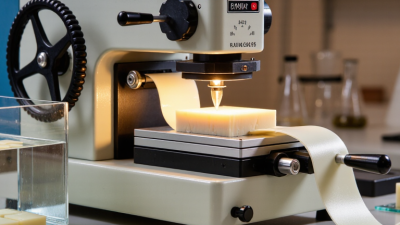
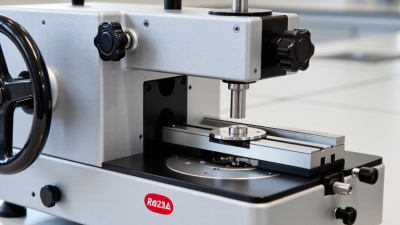
The leica rm2235 microtome may suit laboratories seeking a manual rotary instrument, but a model name alone cannot confirm a good fit. Buyers should assess the instrument’s condition, service history, included accessories, and compatibility with their existing blades and workflow. Check how the handwheel moves, whether the specimen clamp holds blocks securely, and whether routine cleaning and adjustment seem practical. Small details matter. A stiff control or missing part can disrupt a busy bench.
Quality systems also shape the decision. ISO 15189:2022 sets requirements for medical laboratory quality and competence, making equipment suitability, maintenance, and documented procedures relevant purchasing considerations. It does not endorse a particular microtome. The seven tips ahead offer a practical framework for evaluating listings, asking sellers precise questions, and comparing total ownership costs. Still, no checklist replaces a hands-on inspection or advice from a qualified service professional. That is worth remembering. A lower price may look attractive, yet its value depends on condition, support, and the needs of the people who will use it every day.
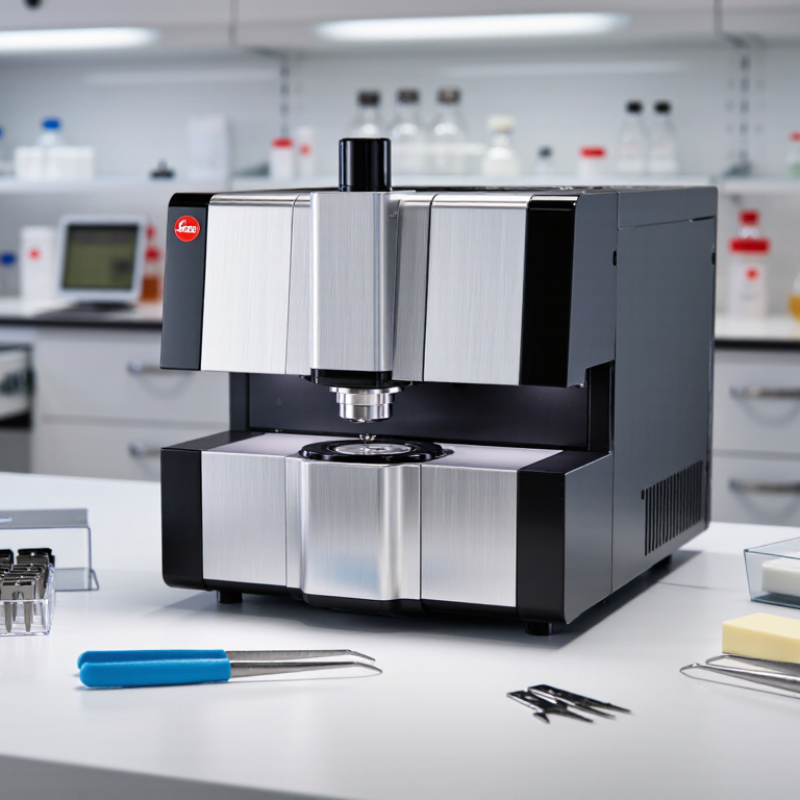
Before comparing a manual rotary microtome, map the work it must handle each week. List routine specimens, such as small biopsies, larger tissue blocks, and teaching samples. How many blocks reach the bench on a busy Monday? That number matters. Record typical block dimensions and the section thickness required by your protocols. Occasional special work may change the choice.
Watch experienced staff prepare and cut representative samples. Note how often they switch blocks, adjust settings, or pause to clear ribbons. Ask whether users have different levels of training; a comfortable hand position and accessible controls can matter during long sessions. Also check how the instrument fits your workflow, including space for accessories, waste collection, and routine cleaning. Small details can become daily frustrations.
A needs list is never perfect. Review it with the people who will use the instrument, then compare it with the manufacturer’s current specifications and service guidance. If possible, test a similar setup using your usual blocks and blades. Pay attention to section consistency, handwheel feel, and how easily the work area stays clean. Write down any compromises. A quiet room may hide concerns that appear during a full workload, so revisit your assumptions before making a decision.
Before buying an RM2235, confirm the exact model and configuration from its identification plate and documentation. Do not rely on a listing photo alone. Check the section-thickness range, feed travel, specimen orientation controls, and handwheel operation against the manual for that unit. Details matter. A worn control or missing part can change how reliably the microtome works.
Compatibility is just as important. Compare the installed specimen clamp with the cassettes or blocks you plan to section. Check that the blade holder accepts the blade type you use, and ask whether clamps, guards, and other accessories are included. Fit can vary with the holder and accessory configuration. If possible, request clear photos of the clamp, blade holder, and mounting points. A quick visual check is useful, but it cannot replace confirming part numbers.
Ask the seller to demonstrate smooth handwheel movement and consistent specimen advance, then inspect for corrosion, loose fittings, or damage around the feed mechanism. Small irregularities may need attention. I would also verify that the manual matches the unit’s version; this is easy to overlook when buying used equipment. Compatibility is not just about what fits today. Consider whether replacement parts and routine servicing are available where the microtome will be used.
Typical ranges vary with tissue and laboratory protocol. Before buying, confirm the instrument supports your required section thicknesses and that its specimen clamp and blade holder fit your workflow.
Tip 1
Inspect the instrument in person, if possible. Check the handwheel for smooth, even movement and listen for scraping or clicking. Examine the blade holder, clamp, and specimen chuck for corrosion, dents, or residue. Small details matter. Cosmetic wear is not always a problem, but damaged controls or uneven motion deserve a clear explanation.
Tip 2
Request dated service records, not just a verbal assurance that the microtome works. Look for notes on inspections, repairs, replaced parts, and recurring faults. Ask who performed the work and whether the records match the instrument’s serial details. Gaps are not automatic deal-breakers, but they make an independent assessment more important.
Tip 3
Ask to see the instrument cut a suitable test block, with safety procedures followed. Watch whether sections form consistently and whether adjustments respond predictably. Request close-up photos of hard-to-inspect areas if an in-person visit is impossible. I may be overly cautious, but a polished exterior can hide neglected mechanics. Confirm what accessories and service support are actually included before agreeing to buy.
When comparing sellers for a rotary microtome, ask for the serial number, service history, and a short video of the handwheel moving through a full rotation. Check that the feed advances consistently and the specimen clamp locks without slipping. A clean exterior proves little. Ask whether the seller tested sectioning, and request dated photos of wear points, not just polished panels. I would not pay extra for vague claims like “fully serviced.” Ask who performed the work and what was replaced.
Accessories can change the real purchase cost. Confirm the exact items included: knife holder, specimen clamps, waste tray, tools, and any blade guards. Match each item to your lab’s routine and confirm compatibility in writing. Then compare support: installation guidance, operator training, response times, spare-part availability, and return terms. Get each promise in the quote. The WHO’s 2011 Medical Equipment Maintenance Programme Overview cites estimates that roughly half of medical equipment in some low-resource settings is nonfunctional or only partly functional because of maintenance problems. That figure is not specific to microtomes, but it shows why service access matters. Ask for a written preventive-maintenance schedule and a clear route for troubleshooting. Small details matter. I would still verify every accessory on delivery; listings can be imperfect.
A low purchase price can hide expensive gaps. Compare the delivered cost, not just the seller’s quote. Include freight, installation, operator training, blades, clamps, and any required accessories. Ask for a written list of included parts. A missing specimen holder can delay work and create an unplanned expense.
Use a lifecycle view. The National Institute of Standards and Technology’s Handbook 135 describes life-cycle costing as accounting for costs beyond acquisition, including operation, maintenance, and replacement. For a used rotary microtome, request service records, a clear condition report, warranty terms, and the cost of common replacement parts. The U.S. Bureau of Labor Statistics reported that the Consumer Price Index rose 4.1% on an annual-average basis in 2023. That is not an equipment-price index, but it is a reason to recheck older quotes and service estimates.
Confirm purchase requirements before approval. Check the instrument’s configuration, electrical supply, delivery access, return conditions, and availability of technical support. Ask whether inspection or acceptance testing is included, and who pays if the unit arrives damaged. I would keep a small contingency, even with a detailed quote; a spreadsheet cannot reveal every missing accessory. Make sure the final purchase order records the agreed condition, included components, delivery date, and warranty coverage.
| Tip | What to Evaluate | How to Verify | Cost and Purchase Requirements |
|---|---|---|---|
| 1. Match the instrument to your workload | Consider routine paraffin sectioning volume, operator experience, specimen types, and whether the laboratory needs manual operation or additional automation. | Compare the intended workflow with the manufacturer’s specifications and arrange a demonstration using representative samples when possible. | Include training time and any workflow changes in the budget; avoid paying for features the laboratory will not use. |
| 2. Confirm sectioning and specimen compatibility | Check the stated section-thickness range, compatible specimen clamp and cassette formats, and compatibility with the intended blade or knife system. | Review the current product specifications and confirm compatibility in writing with the supplier before ordering accessories. | Clarify which clamps, holders, guards, and other essential accessories are included and which are separately priced. |
| 3. Assess safety and ergonomics | Look for practical handwheel locking, blade or knife protection, stable operation, accessible controls, and a comfortable working position. | Inspect the instrument in person or review a detailed demonstration; check the operating and safety instructions for required procedures. | Account for any required safety accessories, suitable bench space, and staff training in safe blade handling. |
| 4. Calculate the full cost of ownership | Compare the purchase price with recurring consumables, maintenance, service, training, delivery, installation, and applicable taxes. | Request an itemized quotation and ask for the expected replacement and service schedule; compare costs over the laboratory’s planned ownership period. | Use a written total-cost estimate rather than the instrument price alone. Separate one-time costs from recurring costs. |
| 5. Check warranty and service coverage | Review warranty duration, covered parts and labor, exclusions, service response arrangements, and availability of qualified technicians and replacement parts. | Obtain the warranty terms and service contact details in writing; confirm how service requests and repairs are handled in your location. | Check whether extended coverage or preventive maintenance is optional, what it costs, and what it includes. |
| 6. Evaluate new, refurbished, and used options carefully | For non-new equipment, consider age, operating condition, service history, included accessories, and whether the unit has been inspected or tested. | Request the serial-number documentation, inspection report, service records, and a written list of included components. Test the handwheel, feed, and safety mechanisms. | Compare the savings with the shorter or different warranty, possible repairs, missing accessories, and shipping or return costs. |
| 7. Confirm delivery, setup, and acceptance terms | Check instrument dimensions and weight, delivery access, bench requirements, included setup, operator instruction, and acceptance or return conditions. | Verify site requirements before purchase and make sure the quotation specifies delivery, installation, training, and any acceptance testing. | Identify charges for freight, on-site setup, installation, and disposal of packaging, as well as deadlines for reporting shipping damage or defects. |
Note: Specifications, included accessories, service terms, and prices vary by configuration, seller, and location. Confirm all details in the current written quotation and product documentation.