
Refurbished Pathology Equipment
What Is the Best Leica Sliding Microtome in China?
Choosing the best Leica sliding microtome in China requires more than comparing prices or brand recognition. It requires a clear understanding of workload, specimen type, user skill, service coverage, and laboratory standards. The International Agency for Research on Cancer reported about 20 million new cancer cases worldwide in 2022. That growing diagnostic burden increases demand for consistent tissue preparation and dependable sectioning equipment.
A Leica sliding microtome can support laboratories processing large, firm, or difficult specimens. Its cutting stroke, blade stability, handwheel control, and vibration resistance directly affect section quality. These details matter when producing thin sections for routine histology, research, or teaching. They also matter when technicians work for several hours beside the instrument. Small design choices become visible at the bench.
Industry reports from Grand View Research and MarketsandMarkets describe continued expansion in the global histology and pathology equipment sector. However, market growth does not prove that one model suits every Chinese laboratory. That assumption needs reconsideration. A hospital pathology department may value throughput and local service, while a university laboratory may prioritize manual control and budget flexibility. Importers and regional distributors also differ in training, spare-part availability, and response time. These practical factors deserve equal attention alongside technical specifications.
This guide compares suitable Leica options available to Chinese buyers through an evidence-based lens. It considers cutting performance, ergonomics, maintenance, application fit, and ownership cost. Manufacturer specifications provide a starting point, not a final verdict. Real user experience can vary. Careful verification remains essential before purchase.
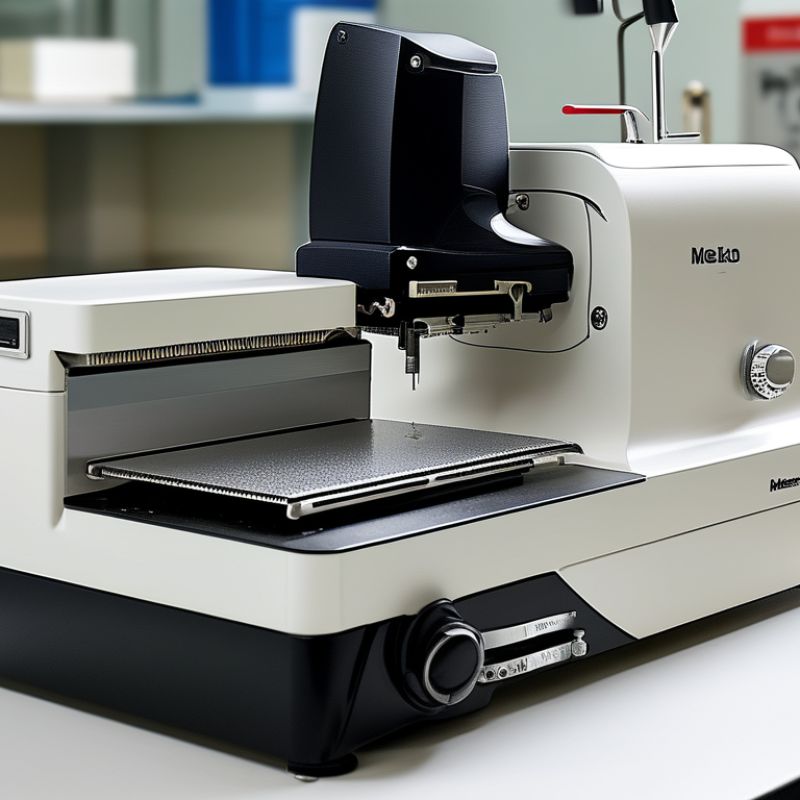
Leica Sliding Microtome Applications in China: Histology and Materials Research
What Is the Best Leica Sliding Microtome in China?
In China, the best sliding microtome depends on the application, not only cutting speed. In histology laboratories, technicians commonly prepare paraffin sections around 3–5 micrometres thick. These sections reveal cell structure under routine staining. The Global Cancer Observatory reported 4.82 million new cancer cases in China in 2022. That burden increases demand for consistent tissue preparation and dependable daily operation.
Materials research requires different control. Hard polymers, coated metals, ceramics, and resin blocks may need stronger specimen clamping and slower, steadier strokes. China’s National Bureau of Statistics reported 3.33 trillion yuan in research and development spending in 2023, equal to 2.64% of GDP. This investment supports laboratories that examine interfaces, wear layers, and composite structures. A suitable sliding microtome should offer fine feed adjustment, low vibration, rigid mounting, and accessible technical support inside China.
Small details matter. A clean blade edge prevents chatter marks. A stable bench reduces uneven ribbons. Environmental humidity can also affect paraffin handling. ISO 15189 emphasizes competence and traceable processes in medical laboratories, so calibration records and operator training deserve attention. However, specifications alone can mislead. A powerful instrument may perform poorly with unsuitable knives or rushed setup. The honest choice is the model that matches specimen hardness, section thickness, workload, and local service capacity. Some laboratories may still overvalue automation. That deserves review.
What Is the Best Leica Sliding Microtome in China? — Leica Sliding Microtome Applications in China: Histology and Materials Research
Application-based comparison of sliding microtome configurations commonly selected for histology, plant science, pathology training, and materials research in Chinese laboratories.
| Application Area | Typical Specimen | Recommended Instrument Configuration | Typical Section Thickness | Knife or Blade Type | Key Selection Criteria | Best-Fit Laboratory Use |
|---|---|---|---|---|---|---|
| Routine Histology | Paraffin-embedded tissue blocks, small animal organs, biopsy material | Manual sliding microtome with rigid specimen clamp, adjustable feed mechanism, and stable handwheel operation | 2–10 µm | Disposable high-profile blade or high-quality steel knife | Low vibration, repeatable feed, easy blade positioning, and simple operator maintenance | Teaching hospitals, pathology laboratories, and research institutes |
| Large Tissue Blocks | Whole-organ sections, brain tissue, muscle, cartilage, and oversized paraffin blocks | Heavy-duty sliding design with an extended stroke, broad specimen support, and reinforced clamp assembly | 5–30 µm | Long steel knife or wide disposable blade | Long cutting travel, high mechanical rigidity, large block capacity, and secure clamping | Medical universities and specialized anatomical research centers |
| Plant Histology | Stems, roots, leaves, seeds, wood, and resin-rich botanical samples | Manual sliding microtome with fine feed adjustment, robust specimen holder, and flexible knife-angle control | 5–25 µm | Steel knife, tungsten-carbide knife, or disposable blade according to hardness | Controlled cutting angle, resistance to hard or fibrous tissue, and convenient specimen orientation | Botanical laboratories, forestry institutes, and agricultural universities |
| Hard Tissue Research | Decalcified bone, tooth sections, shell, horn, and mineralized biological samples | Rigid heavy-duty sliding microtome with high-load clamp and precision feed control | 5–40 µm | Carbide knife or specialized hardened steel knife | Resistance to specimen hardness, reduced chatter, strong clamping, and accurate coarse-to-fine adjustment | Bone biology, dental research, and comparative anatomy laboratories |
| Materials Research | Polymers, foams, coatings, laminates, composites, and soft industrial materials | Precision sliding microtome with adjustable specimen orientation and low-friction carriage movement | 2–50 µm | Disposable blade, steel knife, or carbide knife depending on material hardness | Minimal compression, clean section edges, stable carriage motion, and compatibility with embedding media | Polymer, packaging, electronics, and quality-control laboratories |
| Layered and Composite Samples | Multilayer films, coated metals, printed materials, fiber composites, and sandwich structures | Precision clamp system with fine angular adjustment and high repeatability between sections | 5–30 µm | Sharp disposable blade or carbide knife | Accurate orientation, prevention of delamination, low cutting force, and consistent layer exposure | Failure analysis, product development, and manufacturing inspection |
| Frozen or Soft Samples | Unfixed tissue, soft biological material, wax alternatives, and low-density polymers | Sliding microtome used with suitable embedding support and a highly adjustable feed system | 5–20 µm | Very sharp disposable blade | Controlled cutting speed, specimen support, low compression, and rapid cleaning between samples | Short-term research workflows and specialized sample preparation |
| Training and Teaching | Standard paraffin blocks, animal tissue, plant tissue, and demonstration specimens | Manual unit with straightforward controls, visible specimen access, and easy knife or blade replacement | 3–15 µm | Disposable blade preferred for safe and consistent training | Ease of use, operator safety, low consumable complexity, and accessible routine maintenance | University teaching laboratories and technical training centers |
Note: Actual performance depends on specimen preparation, embedding medium, knife geometry, operator technique, and maintenance. The listed thickness ranges are practical working ranges rather than guaranteed limits for every sample type.
Related Posts
-
Top 5 Reichert Jung Microtome Models You Need to Consider?
-

2026 Top Sakura Microtome Types Buying Guide for Global Buyers
-

What Is the Best Thermo Fisher Microtome?
-
What Is an RM2235 Microtome and How Does It Work?
-
What Is a Vibrating Blade Microtome and Its Uses?
-
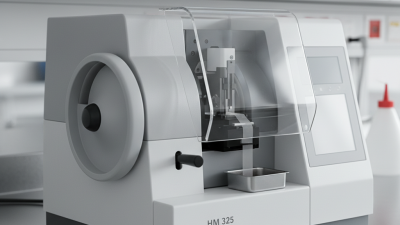
2026 Best Hm 325 Microtome Reviews and Recommendations?
