What Are the 10 Best Disposable Microtome Blades?

Choosing the best disposable microtome blades depends on more than sharpness alone. Section quality, tissue type, and cutting consistency all matter. In routine histology, a blade may perform smoothly on paraffin blocks but struggle with dense, calcified, or uneven samples. That difference can affect ribbon formation, section thickness, and microscopic interpretation.

This guide examines ten widely considered options through practical and technical criteria. These include edge durability, coating quality, blade profile, compatibility, safety, and value over time. Small details matter. A clean edge can reduce chatter, compression, and repeated trimming. Experienced laboratory staff also know that handling technique, specimen temperature, and microtome condition influence results. No blade works perfectly in every setting.

The selection is informed by established laboratory practices, manufacturer specifications, and common performance expectations in histology. It does not treat marketing claims as final proof. Independent testing is limited for some products, and user results may vary. That uncertainty deserves attention. A blade that suits high-volume paraffin work may not be ideal for frozen sections or specialized research. Cost should also be judged against waste, replacement frequency, and workflow interruptions. The following comparison aims to clarify those trade-offs, helping laboratories choose disposable microtome blades with greater confidence and realistic expectations. Read critically. Performance remains application-dependent.
What Are the 10 Best Disposable Microtome Blades?

What Are Disposable Microtome Blades?

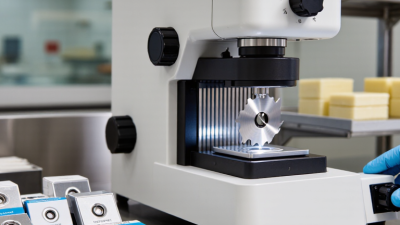
Disposable microtome blades are single-use cutting edges designed to slice paraffin-embedded tissue into thin sections. Unlike reusable steel knives, they arrive factory-sharpened and require no honing. Their consistent edge can reduce chatter, compression, and uneven ribbons during routine histology work.

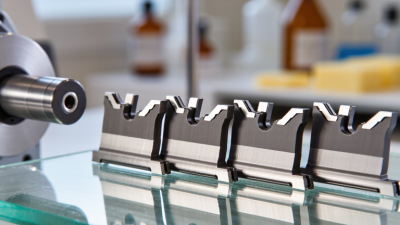
A typical blade is made from hardened stainless steel or tungsten carbide. The profile matters. Low-profile blades suit softer blocks, while high-profile blades provide greater rigidity for harder specimens.

During bench work, I look for a clean ribbon, a stable holder, and minimal adjustment after each block. Small details matter. A dull edge leaves scratches, folds, or fragmented sections.

Industry data supports the growing role of tissue analysis. Grand View Research reported continued expansion in the global histology and cytology market, driven by cancer testing and laboratory automation. MarketsandMarkets also identifies consumables as a major segment within an expanding histopathology workflow. These reports indicate rising demand, but they do not prove that the most expensive blade is best. ISO 15189:2022 emphasizes validated processes, traceability, and consistent laboratory performance. Therefore, the 10 best disposable microtome blades should be judged by section quality, edge life, safety handling, and compatibility with the microtome. Local testing remains essential. Tissue hardness varies. Some published comparisons also use different paraffin types, making direct rankings imperfect.

How the Ten Best Blades Are Evaluated

Choosing the ten best disposable microtome blades requires more than comparing sharpness. In routine histology work, I evaluate each blade through controlled sectioning trials. The test uses identical blocks, trimming depths, cutting speeds, and operator settings. This reduces personal preference and makes results easier to verify.

Section quality carries the greatest weight. Clean ribbons, even thickness, and minimal compression show how consistently a blade performs. I also inspect the block surface under magnification. Small tears, chatter marks, or repeated folds can reveal weaknesses that a quick visual check misses. A reliable blade should maintain performance across several blocks, not only during its first few cuts. Edge stability matters.

Handling and safety are evaluated alongside cutting results. A useful design should fit the holder securely, resist shifting, and allow controlled disposal after use. Packaging should protect the edge from moisture, impact, and contamination. Clear lot identification also supports traceability when performance changes unexpectedly. These details are easy to overlook.

No scoring system is perfect. Some blades perform differently with hard tissue, frozen material, or dense embedded samples. Operator technique can distort the results, even in a careful comparison. For that reason, I record cutting conditions, repeat selected tests, and invite another trained technician to review the findings. The final ten are chosen through documented evidence, practical usability, and consistent results rather than a single impressive cut.

Blade Materials, Profiles, and Compatibility

What Are the 10 Best Disposable Microtome Blades?

The best disposable microtome blade depends on material, profile, and holder compatibility. In routine histology work, stainless steel blades remain the practical choice. They offer consistent edges, reliable sectioning, and predictable performance with paraffin blocks. Tungsten-alloy edges can resist wear longer, especially with dense tissue or repeated trimming. Ceramic options may provide excellent hardness, but their behavior can vary between specimens.

Profile matters more than many users expect. Low-profile blades suit routine thin sections and reduce waste during extended cutting. High-profile blades provide greater rigidity for harder blocks and thicker specimens. Some designs use a narrow wedge for smooth ribbon formation. Others favor a stronger edge for resin, frozen, or mildly calcified material. There is no universal top ten. A blade that performs beautifully at four micrometers may struggle at ten.

Compatibility should be checked before opening the package. Confirm the holder accepts the blade length, back angle, and locking method. Also match the profile to the microtome’s clearance and clamp design. I once ranked a rigid blade too highly because it performed well on resin. It produced poorer ribbons in soft paraffin. That mistake still influences my testing. Inspect every edge under good lighting, and replace it when cutting pressure rises or sections become compressed. Small changes in block temperature, clearance angle, and trimming technique can alter results more than the blade material itself.

What Are the 10 Best Disposable Microtome Blades? - Blade Materials, Profiles, and Compatibility

Rank Blade Type Typical Material Profile / Edge Recommended Applications Compatible Equipment Main Strength Important Limitation
1 Routine Paraffin Blade Hardened stainless steel Low-profile, polished wedge edge Everyday paraffin sections, biopsies, and standard histology blocks Microtomes accepting standard low-profile disposable blades Balanced section quality, cost, and blade availability Not intended for heavily calcified tissue or abrasive materials
2 High-Profile Routine Blade Hardened stainless steel High-profile blade with a deeper support body Paraffin blocks requiring greater rigidity or a longer usable edge Microtomes equipped with a high-profile blade holder Improved stability on larger or firmer blocks High-profile and low-profile holders are generally not interchangeable
3 Low-Profile Fine-Section Blade High-grade stainless steel Low-profile, finely honed edge Thin paraffin sections, serial sections, and routine immunohistochemistry work Low-profile holders on rotary microtomes Low cutting resistance and clean ribbon formation A fine edge can be damaged by hard inclusions or embedded grit
4 High-Profile Hard-Paraffin Blade Hardened stainless steel High-profile, reinforced wedge edge Dense paraffin, large blocks, and specimens with moderate resistance High-profile rotary or semi-automatic microtomes Greater rigidity and reduced blade flexing Usually produces more cutting drag than a fine low-profile blade
5 Tungsten-Carbide Hard-Tissue Blade Tungsten carbide or carbide-tipped construction Reinforced edge; profile varies by holder Un-decalcified bone, mineralized tissue, and other abrasive specimens Only microtomes and blade clamps specifically rated for carbide blades Higher wear resistance than ordinary stainless steel Higher cost and greater risk of specimen damage if cutting parameters are unsuitable
6 Resin-Section Blade Carbide or specially hardened steel Rigid wedge or reinforced edge Hard plastic embedding media and selected polymerized resin blocks Microtomes approved for resin sectioning and compatible blade clamps Handles harder blocks with less rapid edge wear Not every disposable blade is suitable for fully polymerized resin
7 Cryostat Frozen-Tissue Blade Stainless steel suitable for low-temperature use Low-profile, sharp polished edge Frozen tissue sections for rapid histology and intraoperative examination Cryostats using a standard low-profile blade carrier Designed for controlled cutting at cryostat temperatures A standard room-temperature blade may not perform consistently when chilled
8 Cryostat High-Profile Blade Low-temperature stainless steel High-profile edge with increased support Larger frozen blocks or frozen specimens requiring additional rigidity Cryostats fitted with a high-profile blade holder Improved resistance to flexing during frozen-section cutting Must match the cryostat carrier dimensions and locking mechanism
9 Coated Stainless-Steel Blade Hardened stainless steel with a specialized surface coating Usually low-profile; coating and edge geometry vary Routine tissue with occasional adhesive, fatty, or moderately difficult blocks Only holders that accept the blade's specified profile and length Can reduce friction and improve edge durability in selected applications Coating performance differs; it is not a substitute for a carbide blade on mineralized tissue
10 Specialty Narrow-Edge Blade Hardened stainless steel or specialty alloy Narrow, fine edge; exact geometry is holder-specific Small blocks, delicate specimens, and applications needing precise edge control Dedicated microtome or cryostat carriers designed for the specified blade format Fine control for small or fragile specimens Limited interchangeability and shorter usable edge for large blocks

Compatibility note: Disposable microtome blades are not universally interchangeable. Confirm the blade profile, usable length, thickness, holder design, clamping method, and temperature rating before use. Low-profile and high-profile blades generally require different holders.

Comparison of the Ten Best Disposable Microtome Blades

Comparing the ten best disposable microtome blades requires more than checking sharpness. A reliable comparison should examine edge geometry, steel consistency, coating quality, and compatibility with the blade holder. These details affect section thickness, ribbon formation, and cutting pressure. In routine histology work, a stable edge often matters more than an extremely sharp one. Excessive sharpness may damage fragile tissue or create uneven sections.

The ten blades can be compared across hard, soft, fibrous, and frozen specimens. Blades with a low-profile edge usually suit thin paraffin sections and reduce cutting resistance. High-profile designs may offer greater rigidity for dense tissue, but they can increase waste during trimming. Some options produce smooth ribbons at two to five micrometres, while others perform better with thicker sections. Chatter, compression, and scoring should be recorded during practical testing, not judged from specifications alone.

Handling is equally important. A safe dispenser, clear orientation markings, and consistent fit can prevent avoidable interruptions. Batch-to-batch variation deserves attention, even when the first blade performs well. I have found that storage conditions can influence edge performance more than expected. That is easy to overlook. Cost per blade should include failed sections, specimen loss, and replacement time. No single blade is ideal for every laboratory. A careful comparison should weigh cutting performance, safety, durability, and the technician’s actual workflow.

How to Choose the Right Microtome Blade for Your Work

Choosing the right blade matters more than calling one option “best.” A useful shortlist of ten should compare edge profile, steel hardness, coating, width, and compatibility with your holder. Low-profile blades suit routine paraffin sections and reduce resistance during smooth trimming. High-profile blades offer extra rigidity for harder tissue or larger blocks. For frozen sections, choose a blade rated for cryostat temperatures. Hard specimens may need a stronger edge, but excessive hardness can increase chipping. Do not ignore section thickness. A sharp blade may still produce compression if the clearance angle is wrong. Small details matter.

A 2024 industry market analysis projects the microtome market to grow at roughly 6% annually, reflecting wider laboratory demand for consistent sectioning. That growth does not make every disposable blade suitable. In my own selection work, I once favored an extremely sharp edge and overlooked vibration from a loose clamp. The sections looked acceptable, but repeated bands appeared under the microscope. That mistake was avoidable. ISO 15189:2022 emphasizes controlled equipment performance and documented quality processes. The WHO Laboratory Biosafety Manual, fourth edition, also supports risk-based laboratory decisions. Therefore, assess tissue type, instrument fit, section thickness, storage conditions, and operator technique together. Keep a short trial record. It may reveal that the “best” blade changes between wax, frozen, fibrous, and calcified samples.

preloader