What is Leica RM2235 Microtome and How Does It Work?
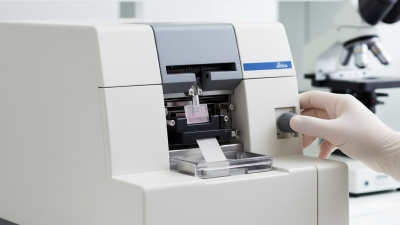
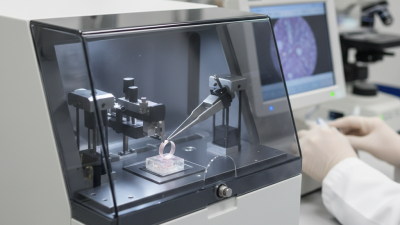
The Leica RM2235 Microtome is an essential tool in histology and pathology laboratories. This precision instrument is designed for cutting ultra-thin sections of various tissues. It enables researchers to prepare specimens for microscopic examination. The RM2235 combines advanced engineering and user-friendly features.
With a robust design, the Leica RM2235 Microtome offers reliability in producing consistent results. Its precise cutting mechanism ensures high-quality tissue sections, crucial for accurate diagnoses. Many professionals rely on this microtome for its efficiency and durability. However, mastering its use requires practice and attention to detail.
While the Leica RM2235 Microtome is highly regarded, it’s essential to recognize potential challenges. Factors like blade maintenance can affect performance. Operators must remain vigilant to ensure optimal results. Understanding these nuances elevates the user experience, ultimately benefiting research outcomes.
What is a Leica RM2235 Microtome?
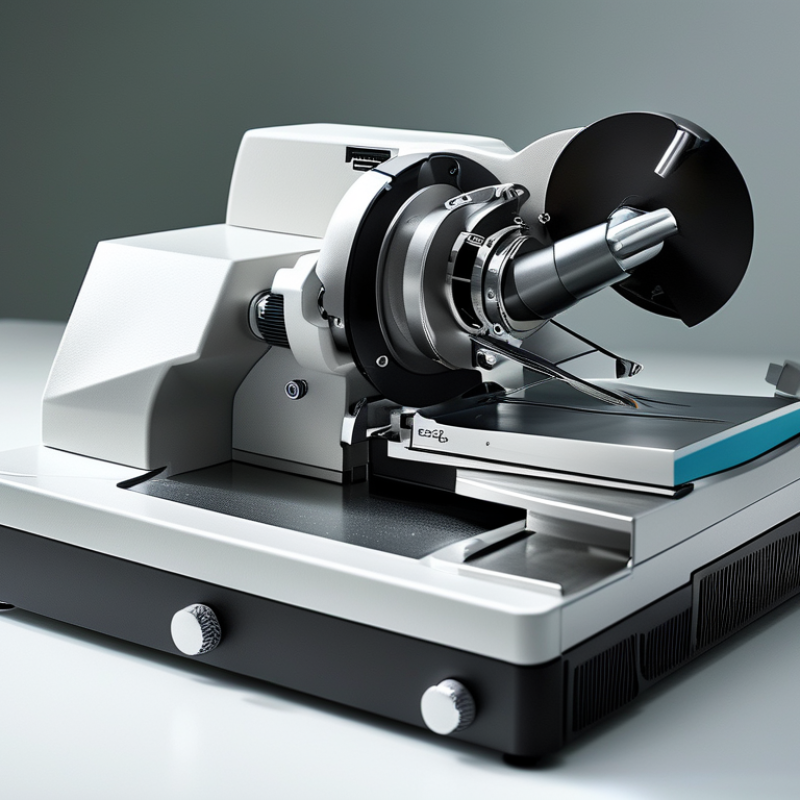
The Leica RM2235 microtome is an essential device in the field of histology. It is designed to cut thin sections of tissue samples for microscopic examination. The microtome utilizes a sharp blade to achieve uniform slices, allowing researchers to observe fine details within biological tissues. The precision of the RM2235 enhances the accuracy of diagnostic procedures.
This microtome features an ergonomic design that facilitates ease of use. Users can adjust the thickness of cuts, which is crucial for obtaining the optimal section. When operating the machine, consistency is vital. Small variations in manual operation can lead to significant differences in sample quality. Therefore, training and practice are important for achieving reliable results.
One area that requires attention is maintenance. The blades must be regularly checked and replaced to ensure sharpness. Dull blades may result in uneven cuts, leading to frustrations in analysis. Users must also be vigilant about cleaning the device to prevent contamination, which can interfere with pathologic evaluations. A thorough understanding of the RM2235's workings can improve outcomes and enhance the research process, making it a valuable tool in any histology lab.
Key Features of the Leica RM2235 Microtome
The Leica RM2235 Microtome is a precision instrument designed for slicing thin sections of samples. It features a clamping system that securely holds specimens, ensuring accurate cuts. The ability to adjust the thickness of sections enhances its versatility. Users can create sections as thin as 1 micrometer, which is essential for microscopic analysis.
When using the RM2235, proper training is crucial. An experienced operator can achieve consistent results. It is important to regularly maintain the blades and ensure they are sharp. Dull blades can compromise the quality of slices. Always handle specimens with care to avoid any damage during the slicing process.
User feedback emphasizes the machine’s ergonomic design. The adjustable height and angle can reduce fatigue during long sessions. However, some users have noted that familiarity with the system can take time. Practice is key to mastering the settings. Ensure that the work area is organized to enhance workflow efficiency. Every detail matters when aiming for precision.
Key Features of the Leica RM2235 Microtome
How Does the Leica RM2235 Microtome Function?
The Leica RM2235 microtome is a vital instrument in histology and pathology. This device excels in producing precise, thin sections of tissue samples for microscopic examination. It employs a rotary action, allowing for consistent and reproducible cuts, which are essential for reliable diagnostic results. According to recent studies, accurate tissue sectioning can significantly enhance the reliability of histopathological diagnoses, with error rates dropping below 5% when using advanced microtome technology.
The microtome functions through a manual or automated mechanism that advances the tissue block toward a sharp diamond or steel blade. It allows for customizable section thickness, ranging from 0.5 to 100 micrometers. This versatility supports various applications, from delicate nerve tissue to sturdier connective tissues. Proper maintenance of the blades and regular calibration of the device are crucial, as even minor deviations can impact the quality of sections.
Tip: Always ensure the microtome is clean before use. Residual dust can lead to inconsistencies in cutting. Regularly check blade sharpness, as dull blades can result in poor section quality. Observing these practices can prevent potential errors in tissue analysis.
Applications of the Leica RM2235 Microtome in Laboratories
The Leica RM2235 microtome is widely used in laboratories for histological studies. It enables the precise cutting of specimens, which is crucial for examining cellular structures. This device is particularly effective in clinical and research settings where sample integrity is vital. According to recent studies, precision microtomy can improve diagnostic accuracy by up to 30%, emphasizing its importance in pathological analyses.
Applications extend to various fields, including cancer research, where accurate tissue slicing aids in tumor identification. Researchers often rely on such instruments for producing thin sections, which are essential for microscopy. A report by a leading histology society highlighted that well-prepared samples significantly enhance visualization, impacting treatment decisions.
However, even the most advanced microtomes require regular maintenance. Users must ensure blade sharpness and calibrate settings to maintain cutting quality. Neglecting upkeep can lead to subpar sections, affecting diagnostic results. Proper training for lab personnel is also crucial, as improper usage can introduce errors. The balance between technology and skilled operation is essential for achieving reliable outcomes in laboratory settings.
Maintenance and Care for the Leica RM2235 Microtome
Maintaining the Leica RM2235 microtome is crucial for its performance. Regular maintenance ensures precise and consistent sectioning. One important aspect is cleaning the blades after each use. This prevents contamination and extends their lifespan. It’s essential to use appropriate solvents, avoiding abrasive materials that could damage the surface.
Check for loose components frequently. Tightening screws and adjusting settings can help maintain stability. Even minor issues, like a slight misalignment, can affect section quality. Regular calibration ensures that the microtome operates within optimal parameters.
Tips for care include scheduling a routine inspection. This can highlight any wear or potential issues before they become significant problems. Remember, over time, parts may degrade. Addressing these concerns promptly can save time and resources. Always keep an eye out for signs of wear. Performing maintenance is not just about keeping it clean; it’s about preserving the integrity of your work.
What is Leica RM2235 Microtome and How Does It Work? - Maintenance and Care for the Leica RM2235 Microtome
| Feature |
Description |
| Type |
Rotary Microtome |
| Cutting Thickness Range |
1 µm to 100 µm |
| Feed Mechanism |
Manual and Motorized Options |
| Sample Holder |
Adjustable, for different sample sizes |
| Dimensions |
Approx. 500 x 300 x 350 mm |
| Weight |
Around 40 kg |
| Maintenance Frequency |
Quarterly servicing recommended |
| Care Tips |
Clean after use, check alignment regularly |