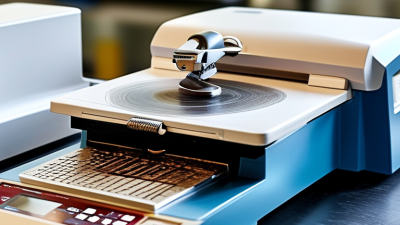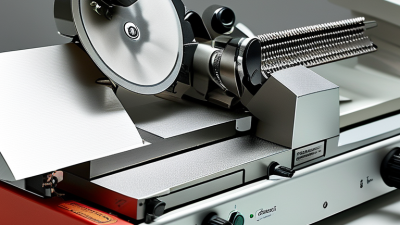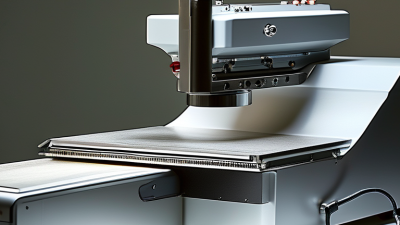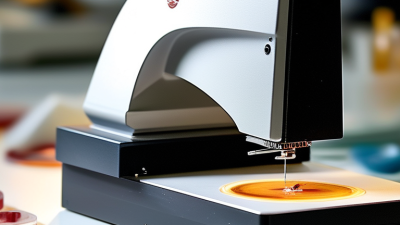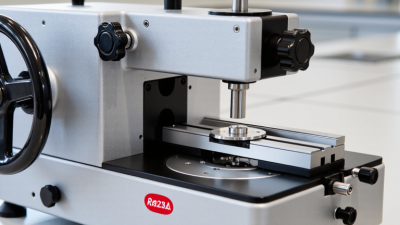
7 Tips for Buying a Thermo Microtome Online?

Buying a thermo microtome online requires more than comparing prices and product photographs. The right instrument must match your laboratory’s workload, specimen type, and sectioning method. A pathology lab cutting paraffin blocks may need reliable 3–5 micrometer adjustment, stable feed movement, and a secure blade holder. A research facility may prioritize motorized operation, programmable trimming, or compatibility with specialized accessories. Details matter.

This guide presents seven practical tips for evaluating a thermo microtome before purchase. It will explain how to verify the exact model, inspect technical specifications, assess refurbishment claims, and compare seller support. Buyers should also examine warranty terms, calibration records, training options, and replacement-part availability. These details can affect daily results more than a discounted listing. Do not rush.

Experienced laboratory professionals know that smooth handwheel movement and consistent section thickness are difficult to judge from a screen. Request clear photographs, a demonstration video, or a written inspection report when possible. Confirm whether the package includes the specimen clamp, blade carrier, waste tray, and required safety features. Even careful buyers can overlook shipping damage or incompatible accessories. That mistake is expensive, but preventable. Independent manufacturer documentation and reputable distributor records offer stronger evidence than vague marketplace descriptions. Still, no online checklist is perfect. Your sample volume, operator skill, and maintenance capacity should shape the final decision.
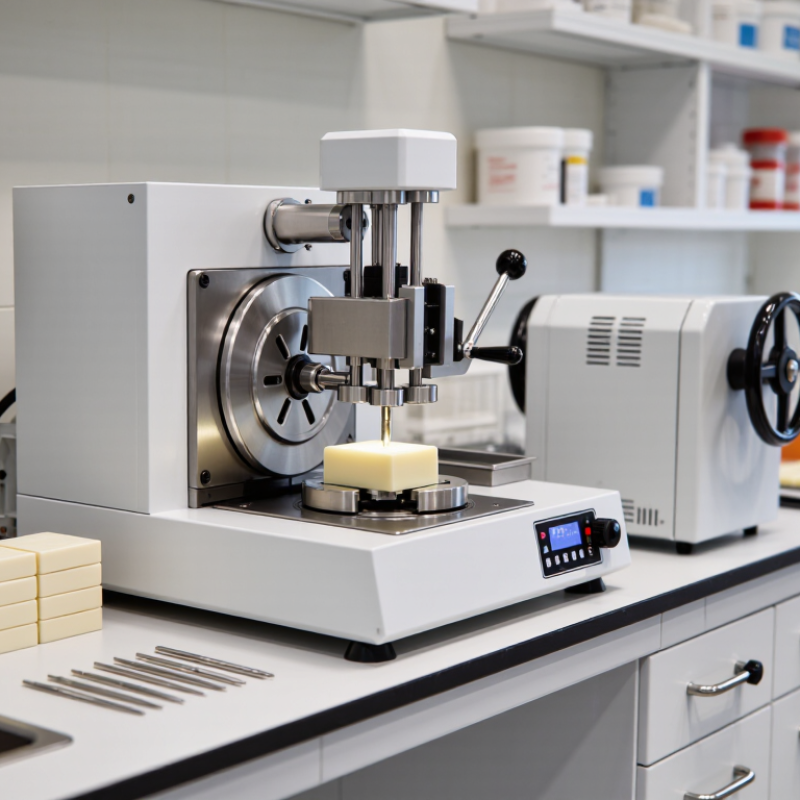
7 Tips for Buying a Thermo Microtome Online?

Match Section-Thickness Needs: 0.5–100 µm on Thermo HM 355S

When buying a rotary microtome online, match its thickness range with your actual sectioning work. A model offering 0.5–100 µm can support thin diagnostic sections and thicker research specimens. For routine paraffin work, 3–5 µm is common. Frozen or softer materials may require different settings. Confirm the feed increment, minimum thickness, handwheel control, and adjustment repeatability before ordering.

A 2024 industry analysis estimated the global microtome market at approximately USD 130 million in 2023. It also projected annual growth of about 6% through 2030. A separate histopathology market report recorded mid-single-digit growth during the same period. These figures suggest wider laboratory demand, but market growth does not prove product suitability. Specifications matter more than popularity.

Ask the seller for calibration records, blade-holder compatibility, clamp dimensions, and service coverage. Request close-up photos of the thickness dial and specimen stage. Check whether 0.5 µm is a practical operating setting, not only a printed maximum. I would also verify user feedback from laboratories handling similar tissue blocks. Online listings can omit small defects. That is easy to miss. A low price may hide costly maintenance, training gaps, or poor spare-part access. My own buying mistake would be trusting the range alone. Section quality depends on stability, operator control, and regular servicing.

Verify Model, Refurbishment Status, and NIST-Traceable Calibration

Buying a thermo microtome online requires more than comparing prices. Start by matching the exact model number with your application, section thickness, and available accessories. Ask the seller for a clear photo of the serial plate. Request the operating manual, specifications, and service history. A clear serial number matters.

If a listing says “similar model,” pause before paying. Verify whether the unit is used, refurbished, or rebuilt. These terms are not interchangeable. A credible seller should describe replaced parts, tested functions, and remaining wear. Ask about the cutting head, specimen stage, drive system, display, and safety features. Request close photos of the blade holder, stage surface, and control panel. A short warranty helps, but it does not replace inspection. “Tested” is too vague. A polished housing can hide neglected mechanics.

Calibration deserves separate scrutiny. NIST-traceable calibration means the measurement results connect to recognized standards through a documented chain. It does not automatically mean the instrument was calibrated by a government laboratory. Request the certificate before purchase. Check the calibration date, instrument identification, standards used, measurement uncertainty, and as-found or as-left results. Confirm that the calibration range matches your working thickness and temperature conditions. An ISO/IEC 17025-accredited laboratory may provide stronger documentation. One overlooked detail is shipping impact; ask whether calibration remains valid after transport. If records are incomplete, admit the uncertainty and budget for independent verification after delivery.

Check Safety Compliance: IEC 61010-1 and Applicable CE Requirements

Buying a thermo microtome online requires more than comparing cutting thickness and price. IEC 61010-1 addresses electrical, mechanical, thermal, and functional safety for laboratory equipment. It does not automatically prove CE conformity. For European use, check whether the product also meets applicable Low Voltage, EMC, and RoHS requirements. The exact requirements depend on the equipment’s design and intended use.

Tip 1: Request the EU Declaration of Conformity before paying. It should identify the model, applicable directives, standards, manufacturer, and authorized signatory. Ask for relevant test reports, not only a CE image. The European Commission’s Safety Gate report recorded 3,412 product alerts in 2023. That figure shows why document verification matters. A polished listing is not evidence.

Tip 2: Inspect safety details in the product photographs and manual. Look for blade protection, a secure specimen clamp, stable handwheel movement, and reliable electrical grounding. Confirm the rated voltage and plug type. Ask whether the seller supplies inspection records for used equipment. Tip 3: Verify traceability. The serial number should match the Declaration of Conformity and service history. I would also request a video showing the guard and emergency stop working. Some sellers may overlook small defects. So should buyers. Safety compliance is a purchasing decision, not a paperwork exercise.

Compare Blade Holders, Consumables, Warranty, and 30-Day Returns

Buying a thermo microtome online demands more than comparing listed prices. In laboratory purchasing, I check blade-holder compatibility before reviewing discounts. A clear product drawing should show clamping width, angle adjustment, and locking access. Tip 1: Request exact dimensions. Tip 2: Confirm whether the holder suits disposable or reusable blades. Small mismatches can create uneven sections, wasted tissue, and frustrating rework.

Consumables deserve equal attention. Tip 3: Ask about compatible blades, brushes, specimen discs, and cleaning supplies. Tip 4: Compare the cost per block, not only the package price. Check availability, storage requirements, and expected delivery times. A low-cost device becomes less attractive when essential supplies arrive slowly. Tip 5: Read the warranty carefully. Reliable terms should explain coverage, exclusions, service response, and whether replacement parts are included. Keep those details in writing.

Returns can protect a careful buyer. Tip 6: Confirm that the 30-day period begins on delivery, not purchase. Check restocking fees, return shipping, inspection rules, and packaging requirements. Tip 7: Photograph the unopened package and record the serial number immediately. This evidence can prevent avoidable disputes. I sometimes focus too heavily on the initial price; that is a purchasing mistake worth challenging. A short video call with a technical representative may reveal compatibility problems before payment. It takes time, but rushed equipment decisions usually cost more later.

7 Tips for Buying a Thermo Microtome Online? – Compare Blade Holders, Consumables, Warranty, and 30-Day Returns

Use this comparison table to evaluate an online microtome listing before purchase. Costs are realistic planning ranges in USD and may vary by configuration, condition, shipping, and local taxes.

Tip Buying Dimension What to Check Online Practical Data or Benchmark Why It Matters Best Fit
1 Confirm the cutting system Verify whether the instrument accepts disposable high-profile blades, low-profile blades, reusable steel knives, or more than one format. Check whether the blade holder and knife carrier are included. Disposable blades commonly produce sections of approximately 1–10 µm for routine paraffin work. A compatible holder is essential for safe, stable cutting. Incompatible blades or missing holders can make a seemingly low-cost instrument unusable until additional parts are sourced. Routine histology, teaching, and pathology laboratories
2 Compare blade-holder adjustment Look for angle adjustment, lateral positioning, a secure locking mechanism, a blade guard, and a design that supports even blade utilization. A practical holder should allow repeatable clearance-angle adjustment and controlled lateral movement across the cutting edge. Fine adjustment helps reduce compression, chatter, scoring, and uneven ribbons during sectioning. Users cutting blocks throughout the day or switching specimen types
3 Calculate consumable costs Price blades, specimen clamps, disposable blade guards, lubricants, sharpening supplies, and waste containers separately. Check pack size and lead time. Disposable blades are often sold in packs of approximately 25–50. A planning allowance of $0.50–$3.00 per blade is reasonable, depending on type and cutting performance. The purchase price is only part of ownership cost; recurring blades and accessories can exceed the initial savings over time. High-throughput laboratories seeking predictable operating costs
4 Inspect specimen compatibility Confirm the specimen clamp type, block size range, chuck interface, coarse-advance function, section-thickness range, and compatibility with paraffin or resin blocks. Many routine rotary microtomes offer section settings from about 1–60 µm, while ultra-thin or specialized applications may require different equipment. A suitable thickness range and secure clamping system directly affect section quality and operator safety. Paraffin sections, educational samples, and general laboratory workflows
5 Evaluate condition and service history Request clear photos of the feed mechanism, handwheel, stage, blade holder, specimen clamp, locking controls, and serial or asset label. Ask for calibration and service records. For used equipment, a documented inspection, smooth handwheel movement, intact safety guards, and a clean specimen stage are strong purchase indicators. Mechanical wear may cause backlash, inconsistent advance, vibration, or costly repairs that are difficult to identify from a short listing. Budget-conscious buyers considering refurbished or pre-owned equipment
6 Read the warranty terms Check warranty duration, covered parts, labor coverage, shipping responsibility, exclusions for used equipment, and the procedure for reporting a fault. Commercial laboratory equipment warranties commonly range from 90 days to 12 months, depending on whether the unit is new, refurbished, or used. A written warranty reduces the financial risk of hidden mechanical, electrical, or adjustment problems after delivery. Laboratories that need service support and budget protection
7 Verify the 30-day return policy Confirm whether returns are accepted within 30 days, whether approval is required, who pays return freight, and whether restocking fees apply. Test the unit immediately upon arrival. A complete return review should include power-up, handwheel movement, coarse advance, thickness adjustment, clamp security, blade-holder alignment, and visible damage. A return window is valuable only when the buyer understands the deadlines, packaging requirements, refund conditions, and acceptable evidence of a defect. Online buyers who cannot inspect the instrument before purchase
Suggested online purchase checklist: Confirm the complete accessory list, obtain shipping dimensions and insurance details, request a written invoice, and retain photos of the packaging and instrument until the return period and warranty verification are complete.

Audit Seller Evidence: Serial Number, Service Records, and Total Cost

Buying a used thermo microtome online requires more than comparing prices. Audit the seller’s evidence before discussing payment. Request clear photos of the serial number plate, cutting assembly, power label, and accessories. The number should match the listing, service documents, and any inspection report.

Ask for dated service records, not vague claims such as “recently maintained.” Look for blade-holder adjustments, lubrication, calibration checks, and replacement parts. Missing pages matter. A reliable seller should explain gaps without pressure. Video evidence can help. Ask the seller to demonstrate smooth sectioning, stable thickness settings, and safe movement of the specimen head. A short video is useful, but it cannot replace an independent inspection.

I once focused too heavily on a low listing price. That was a mistake. Calculate the total cost, including shipping, insurance, taxes, installation, replacement clamps, blades, and possible calibration. Check whether the machine arrives with its original case or essential tools. Confirm the return terms in writing. “As is” can change the risk completely. Keep copies of messages, photographs, serial details, and invoices. If the serial plate looks scratched, the records use inconsistent dates, or the seller avoids basic questions, pause. Cheap can become expensive.

preloader