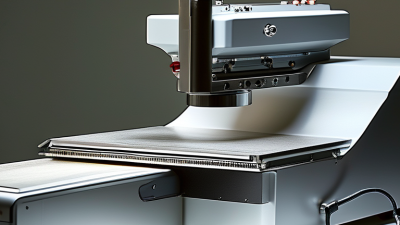
How to Choose a Reichert Jung Microtome for Your Lab
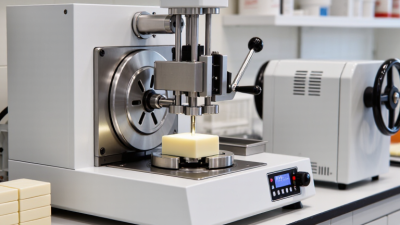
Choosing a reichert jung microtome is a practical decision, not merely a comparison of product names. Your laboratory’s workload, specimen types, and available space should guide the selection. A busy histology bench may need a stable rotary design for routine paraffin sections. A research laboratory may value broader adjustment options for unusual or delicate samples.
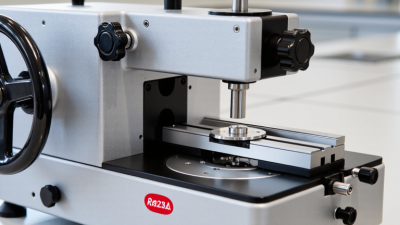
Begin by examining section thickness control, cutting smoothness, and operator comfort. A reliable handwheel should move evenly, without sudden resistance or excessive vibration. Check whether the knife or disposable blade system matches your current workflow. Consider the clearance angle, specimen clamp, and trimming range. These small details become significant after several hours at the bench.
Maintenance deserves equal attention. Ask for service records, replacement-part availability, and realistic training support. Older instruments can perform well, but only when their mechanisms are inspected carefully. Look for worn bearings, damaged feed components, corrosion, and inaccurate thickness settings. A demonstration with a representative tissue block is more useful than a polished sales description. It reveals chatter, compression, and handling problems quickly.
No choice is perfect. A lower purchase price may create higher repair costs later. A highly adjustable model may also require more training. Consult experienced histotechnologists, biomedical engineers, and the manufacturer’s technical documentation. Record your criteria before comparing individual units. That simple step reduces personal bias and improves accountability. The best reichert jung microtome is the one that delivers consistent sections, supports safe daily work, and remains serviceable for your laboratory’s actual needs. Reconsider the decision after testing it.
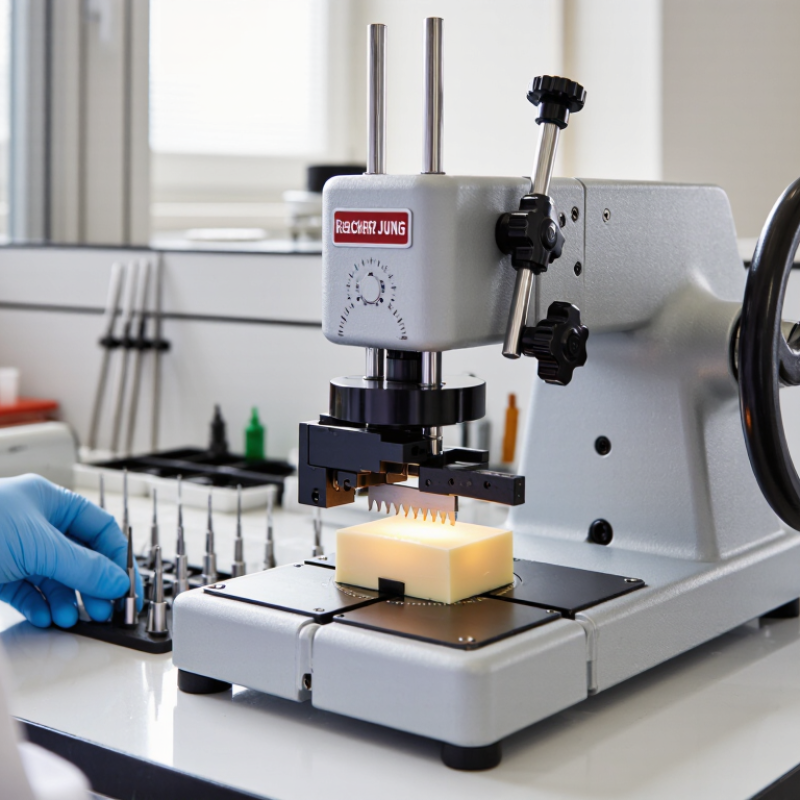
Laboratory Requirements for Selecting a Reichert Jung Microtome
In routine histology work, the right microtome should match laboratory requirements, not impressive specifications. Start with specimen types, including paraffin blocks, resin materials, or unusually hard tissue. Confirm the required section thickness range and cutting consistency. A stable handwheel, secure specimen clamp, and precise blade holder reduce uneven ribbons. They also support safer daily handling.
Assess the laboratory’s workload before choosing a model. A busy service needs durable construction, quick specimen changes, and simple cleaning access. Ergonomic controls matter when technicians cut hundreds of sections daily. Check bench space, vibration, electrical requirements, and compatibility with existing accessories.
Service availability is equally important. A technically excellent instrument becomes a poor choice when maintenance takes weeks. I have found that checklists help, but they can miss operator fatigue and real workflow interruptions. That deserves honest review.
Tips:
Test the microtome with your own blocks when possible. Observe section quality after repeated cutting, not just one successful trial. Ask technicians to assess handwheel resistance, clamp access, and cleaning time. Record these observations. Small details often decide long-term usability. Do not overlook training needs, because confident operation improves consistency and protects valuable specimens. If the budget is limited, prioritize mechanical stability and service support over decorative features. Reconsider the choice after a short trial period; first impressions can be misleading.
Key Microtome Types and Their Intended Applications
Choosing a Microtome for Your Lab
Selecting a microtome begins with the specimen, not the instrument. A rotary microtome suits routine paraffin sections, especially for tissue blocks requiring consistent thin slices. It works well for histology, teaching laboratories, and high-volume diagnostic preparation. A sliding microtome is better for larger, harder, or irregular specimens. Its controlled horizontal movement can reduce compression, although it usually requires more bench space and operator practice.
A cryostat microtome supports frozen-section work when rapid results matter. It is useful for fresh tissue assessment and temperature-sensitive samples. However, frozen sections may show more folding or tearing than embedded sections.
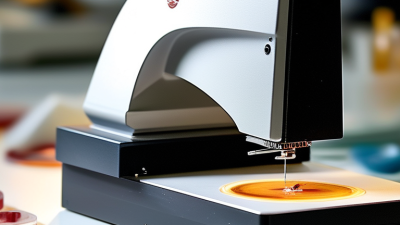
An ultramicrotome serves advanced microscopy, producing extremely thin sections from resin-embedded material. This type demands careful preparation, sharp tools, and strong technical training.
I have found that laboratories sometimes choose advanced equipment too early. That can increase maintenance demands without improving daily results.
Tips:
Match the microtome to your routine workload, specimen hardness, and required section thickness. Check blade compatibility, safety features, cleaning access, and service support before purchasing. Test representative samples whenever possible. A smooth handwheel, stable clamp, and clear thickness control can matter more than impressive specifications. Keep a short record of section quality, trimming time, and operator feedback during trials. Small details reveal problems. Reconsider the choice after real users operate the instrument, because workflow assumptions are often incomplete.
Sectioning Performance, Blade Systems, and Sample Compatibility
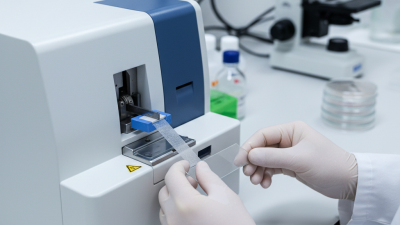
Choosing a laboratory microtome starts with sectioning performance, not appearance. Smooth ribbons depend on feed precision, vibration control, and consistent clearance angles. For routine paraffin work, a disposable blade system can reduce sharpening time and cross-case carryover. Reusable blades may suit experienced teams, but they demand disciplined maintenance and sharpening records. Small differences become visible at 3–5 micrometres.
Workload matters. The International Agency for Research on Cancer reported about 20 million new cancer cases worldwide in 2022. Its Global Cancer Observatory also estimated 53.5 million people living within five years of diagnosis. These figures underline the need for dependable, repeatable sectioning in pathology laboratories. A comfortable handwheel, stable specimen clamp, and controlled advance can reduce fatigue during high-volume batches. The best design is not always the fastest.
Sample compatibility requires closer testing. Paraffin blocks, frozen tissue, resin sections, and decalcified specimens place different demands on blades and clamps. Hard tissue can expose weak holders or unsuitable edge geometry quickly. Soft tissue may compress when clearance settings are incorrect. Ask for demonstrations using your actual block types. Do not rely only on catalogue claims. I would also record chatter, compression, ribbon continuity, and rejected sections during a trial. No choice is perfect. Even experienced operators can misjudge a system after one easy sample. Data from your own bench should carry more weight than a polished specification sheet.
How to Choose a Microtome for Your Lab
Section thickness is a practical starting point when evaluating cutting performance, blade systems, and sample compatibility. The ranges below represent commonly used sectioning targets for major specimen and embedding workflows.
Paraffin sections generally require a stable rotary mechanism and a sharp disposable or steel blade. Frozen specimens typically need a cryostat-compatible system, while resin-embedded samples require a rigid drive system and specialized hard-material blades. Always confirm the instrument’s thickness range, specimen clamp design, and blade compatibility before purchase.
Safety, Ergonomics, Maintenance, and Replacement Parts
Choosing a Laboratory Microtome: Safety, Ergonomics, Maintenance, and Replacement Parts
A suitable microtome should make sectioning controlled, repeatable, and physically manageable. Safety features deserve close inspection. Look for a positive handwheel lock, a secure blade guard, stable feet, and an enclosed waste tray. The cutting edge is unforgiving. In 2022, the International Labour Organization estimated that work-related injuries and illnesses caused nearly three million deaths globally each year. That figure is not microtome-specific, but it reinforces disciplined laboratory risk control.
Ergonomics also affects section quality. EU-OSHA reports that three in five European workers experience musculoskeletal disorders. Choose a model with smooth wheel resistance, reachable controls, and a comfortable operating height. Test the grip with gloved hands. Small awkward movements become tiring during long batches. I would not judge ergonomics from photographs alone. A short trial at the bench reveals more.
Maintenance should be simple enough to perform consistently. The WHO Laboratory Biosafety Manual recommends documented equipment care, cleaning, and decontamination procedures. Confirm access to approved lubricants, cleaning tools, clamps, guards, and compatible blade holders. Replacement parts should have clear identification codes and realistic delivery times. Ask how long critical components remain available. A low purchase price can become expensive when one missing spring stops production. Record service dates, abnormal vibration, and changes in section thickness. Some laboratories overlook these notes. That is a mistake worth reconsidering.
Comparing Models, Costs, and Long-Term Laboratory Value
Choosing a Reichert Jung microtome requires more than comparing purchase prices. It requires calculating long-term laboratory value.
The 2024 Global Histology and Cytology Market report estimates this market will grow at about 6% annually through 2030. That growth reflects rising testing volumes and pressure for consistent sections. For a busy laboratory, model selection should focus on feed precision, handwheel balance, blade compatibility, and service access. A basic manual model may cost less initially. However, repeated trimming errors can increase paraffin waste, rework, and technician time. An automated or semi-automated model may justify its higher price when daily workloads are heavy. The payback is not always obvious.
WHO’s Laboratory Quality Management System guidance treats equipment maintenance, calibration, and retirement planning as essential controls. Ask for documented service intervals, spare-part availability, training, and warranty coverage. A low-cost instrument with uncertain support can become expensive after one damaged mechanism. I would not trust a spreadsheet alone. Observe the instrument during actual sectioning, with your usual blocks and blade types.
Tips: Record daily section counts, failed sections, and repair hours for four weeks. Compare those figures with ownership costs. Include installation, consumables, downtime, and staff training. Leave room for error. Your workload may change sooner than expected.